
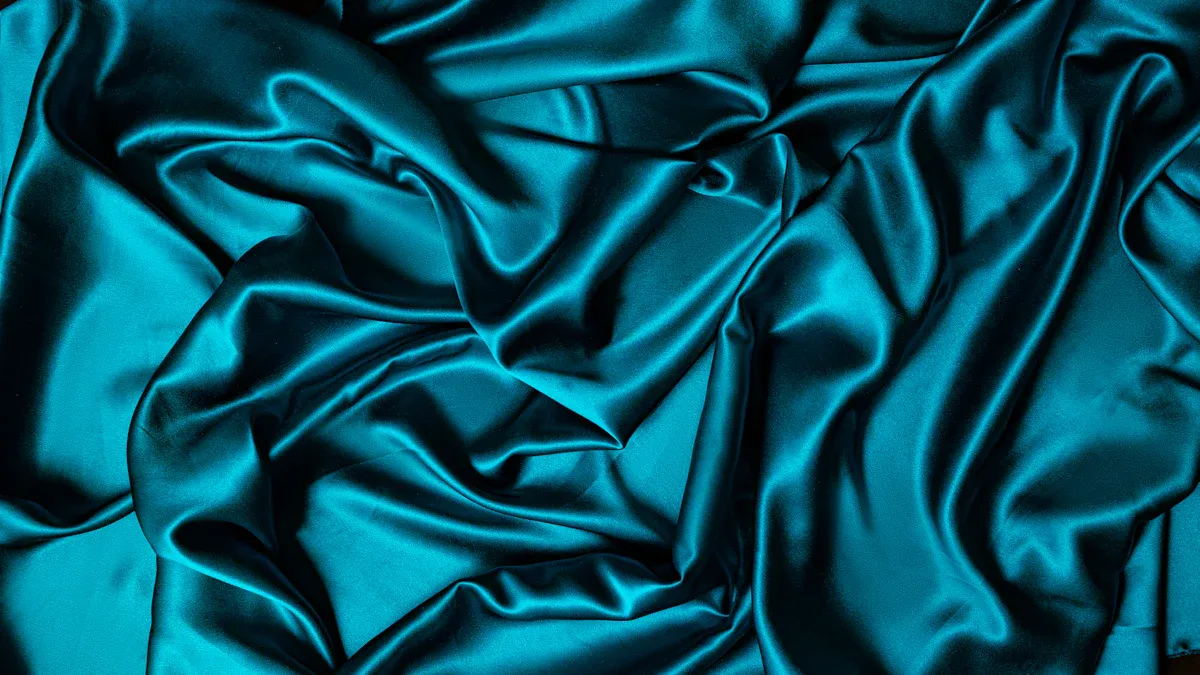
Taking care of your satin pillowcase isn’t just about keeping it clean. It’s about preserving its luxurious feel and the benefits it offers for your skin and hair. When you care for it properly, you’ll notice it stays smooth and soft, which helps reduce friction and keeps your hair tangle-free. Plus, proper care can make your pillowcase last longer, saving you money in the long run. Why replace it sooner than you need to? A little effort goes a long way in keeping it looking and feeling like new.
Key Takeaways
- Taking care of satin pillowcases keeps them smooth and helps your skin and hair stay healthy.
- Wash gently by hand or use a mesh bag in the washer to avoid damage.
- Use mild soap made for delicate fabrics to keep satin shiny and soft.
- Let satin pillowcases air dry; don’t use high heat to stop shrinking or fading.
- Store them in a cool, dry spot to avoid moisture and keep them in good shape.
- Switch between different pillowcases to prevent too much wear and make them last longer.
- Check your pillowcase often for snags or loose threads and fix them quickly to stop more damage.
- Don’t use strong soaps or dry them in sunlight to keep them looking nice.
Why Proper Care Matters
Benefits of Caring for Your Satin Pillowcase
Preserving the smooth texture for skin and hair health.
When you take good care of your satin pillowcase, you’re not just protecting the fabric—you’re also protecting your skin and hair. Satin’s smooth surface reduces friction, which means fewer tangles and less breakage for your hair. It also helps your skin retain moisture and prevents those annoying sleep lines that can show up after a night on rougher fabrics. Proper care keeps the texture silky, so you can enjoy these benefits every time you lay your head down.
Enhancing durability and maintaining the fabric’s sheen.
A well-cared-for satin pillowcase doesn’t just feel good—it looks good too. Satin has a natural sheen that adds a touch of luxury to your bedroom. But that sheen can fade if you don’t handle it properly. Washing it gently and storing it correctly helps the fabric stay shiny and beautiful. Plus, when you care for it the right way, you’ll notice it lasts much longer. You won’t have to replace it as often, which saves you money and keeps your favorite pillowcase in great shape.
Risks of Improper Care
Increased wear and tear leading to reduced lifespan.
Neglecting your satin pillowcase can lead to problems fast. Harsh detergents, rough washing, or improper drying can weaken the fibers. Over time, this causes the fabric to wear out, leaving you with a pillowcase that looks and feels far from luxurious. If you want your satin pillowcase to last, you need to treat it with care.
Loss of softness and potential fabric damage.
Improper care can also ruin the softness that makes satin so special. Using the wrong products or washing it with rough fabrics can cause snags and tears. Once the fabric gets damaged, it’s hard to restore its original smoothness. You might even notice it feels scratchy against your skin. To avoid this, stick to gentle washing methods and keep it away from anything that could harm the delicate material.
Tip: Always check the care label on your satin pillowcase. It’s your best guide for keeping it in top condition.
How to Wash Satin Pillowcases
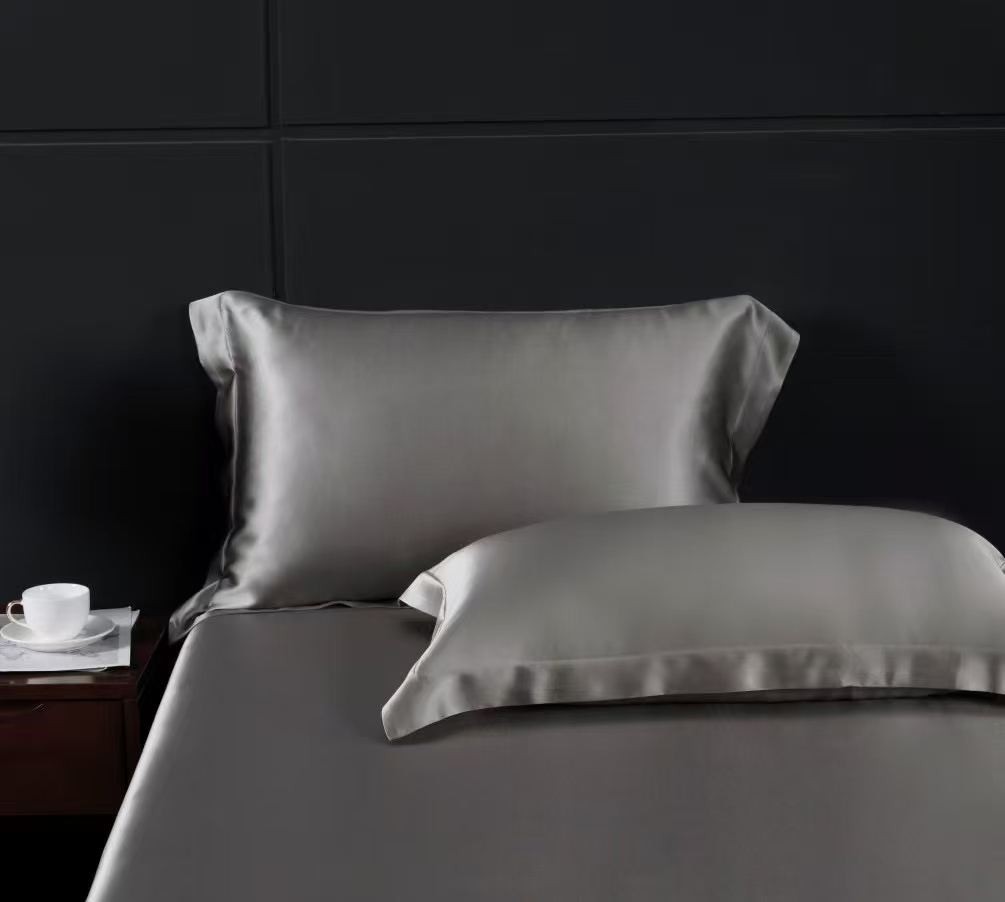
Washing your satin pillowcase the right way is key to keeping it soft, smooth, and long-lasting. Whether you prefer hand washing or using a machine, following the right steps can make all the difference.
Hand Washing Satin Pillowcases
Step-by-step guide for gentle hand washing.
Hand washing is the gentlest way to clean your satin pillowcase. Here’s how you can do it:
- Fill a basin or sink with lukewarm water. Avoid hot water, as it can damage the delicate fibers.
- Add a small amount of mild detergent. Look for one labeled for delicate fabrics.
- Submerge your pillowcase and gently swirl it around. Don’t scrub or wring it, as this can cause snags.
- Let it soak for about 5 minutes.
- Rinse thoroughly with cool water until all the detergent is gone.
- Press out excess water gently. Lay it flat on a clean towel and roll it up to absorb moisture.
Recommended detergents and water temperature.
Stick to detergents designed for delicate fabrics. Harsh chemicals can weaken the fibers and dull the sheen. Lukewarm water is ideal—it’s warm enough to clean but gentle enough to protect the fabric. Cold water works too, especially if you’re worried about color fading.
Machine Washing Satin Pillowcases
Using a mesh laundry bag for protection.
If you’re short on time, machine washing is an option. To protect your satin pillowcase, place it in a mesh laundry bag. This keeps it safe from rough fabrics or zippers that could snag the material.
Choosing the right settings and spin speed.
Set your machine to a delicate or gentle cycle. Use cold water to prevent shrinking or fading. Choose a low spin speed to reduce stress on the fabric. Avoid overloading the machine—your pillowcase needs space to move freely.
Washing Frequency
Establishing a weekly washing schedule.
Washing your satin pillowcase once a week is a good rule of thumb. This keeps it fresh and free of oils, dirt, and sweat that can build up over time.
Adjusting frequency based on usage and skin needs.
If you have sensitive skin or use heavy hair products, you might need to wash it more often. On the other hand, if you rotate between multiple pillowcases, you can stretch the time between washes. Pay attention to how your pillowcase feels and smells—it’ll tell you when it’s time for a wash.
Tip: Always check the care label before washing. It’s your best guide for keeping your satin pillowcase in top condition.
Drying and Storing Satin Pillowcases

Best Drying Practices
Air drying vs. low-heat machine drying
When it comes to drying your satin pillowcase, air drying is the safest option. Lay it flat on a clean towel or hang it on a drying rack. This method helps maintain the fabric’s smooth texture and prevents unnecessary wear. If you’re short on time, you can use a dryer, but stick to the lowest heat setting. High heat can weaken the fibers and cause the fabric to lose its sheen.
Tip: If you’re using a dryer, toss in a few clean, soft towels to reduce drying time and protect the delicate material.
Avoiding direct sunlight to prevent fading
Sunlight might seem harmless, but it can fade the vibrant color of your satin pillowcase over time. Always dry it in a shaded area or indoors to keep the fabric looking fresh and luxurious. Direct sunlight can also make the material brittle, which shortens its lifespan. Protect your pillowcase by keeping it out of the sun’s harsh rays.
Proper Storage Tips
Folding satin pillowcases to avoid creases
Folding your satin pillowcase properly is just as important as washing and drying it. Smooth out the fabric with your hands before folding to avoid creases. A simple two-fold or three-fold method works best. Avoid cramming it into tight spaces, as this can create stubborn wrinkles that are hard to remove.
Note: If you notice any creases, a quick steam or gentle ironing on the lowest setting can help restore its smooth appearance.
Storing in a cool, dry place to prevent moisture damage
Where you store your satin pillowcase matters. Choose a cool, dry spot like a drawer or a linen closet. Avoid areas with high humidity, such as bathrooms, as moisture can lead to mold or mildew. For added protection, you can place your pillowcase in a breathable fabric bag. This keeps it safe from dust and ensures it stays fresh until its next use.
Pro Tip: Add a lavender sachet or cedar block to your storage space. It keeps your pillowcase smelling great and deters pests like moths.
Common Mistakes to Avoid
Even with the best intentions, it’s easy to make mistakes when caring for your satin pillowcase. These errors can shorten its lifespan or ruin its luxurious feel. Let’s go over some common pitfalls and how you can avoid them.
Washing Mistakes
Using harsh detergents or bleach
Harsh detergents and bleach might seem like they’ll get your pillowcase extra clean, but they’re actually the worst enemies of satin. These products can weaken the delicate fibers, strip away the sheen, and leave the fabric feeling rough.
Tip: Always choose a mild detergent labeled for delicate fabrics. If you’re unsure, a baby detergent is usually a safe bet.
Washing with rough fabrics that can cause snags
Throwing your satin pillowcase in the wash with items like jeans, towels, or anything with zippers is a recipe for disaster. These rough fabrics can snag the satin, leaving it with pulls or tears that are hard to fix.
To avoid this, wash your satin pillowcase separately or with other delicate items. If you’re using a washing machine, a mesh laundry bag adds an extra layer of protection.
Drying Mistakes
Using high heat in the dryer
High heat might dry your pillowcase faster, but it’s a shortcut you’ll regret. Satin is sensitive to heat, and excessive temperatures can shrink the fabric, dull its sheen, or even cause it to lose its smooth texture.
Stick to air drying whenever possible. If you must use a dryer, choose the lowest heat setting and remove the pillowcase while it’s still slightly damp.
Leaving pillowcases in direct sunlight for extended periods
Sunlight might seem harmless, but it’s surprisingly damaging to satin. Prolonged exposure can fade the color and weaken the fibers, leaving your pillowcase looking dull and worn out.
Pro Tip: Dry your satin pillowcase indoors or in a shaded area. If you’re air drying outside, make sure it’s not in direct sunlight.
Storage Mistakes
Storing in damp or humid environments
Moisture is a silent destroyer of satin. Storing your pillowcase in a damp or humid place can lead to mold, mildew, or an unpleasant musty smell.
Always keep your satin pillowcase in a cool, dry spot. A linen closet or drawer works well, especially if it’s away from bathrooms or other humid areas.
Folding improperly, leading to permanent creases
Improper folding might not seem like a big deal, but it can leave your satin pillowcase with stubborn creases that are hard to remove. Over time, these creases can even weaken the fabric.
Smooth out the fabric before folding and avoid cramming it into tight spaces. If you notice any creases, a quick steam or gentle ironing on the lowest setting can help restore its smoothness.
Note: Proper storage isn’t just about keeping your pillowcase neat—it’s also about protecting its quality and extending its lifespan.
By avoiding these common mistakes, you’ll keep your satin pillowcase looking and feeling luxurious for years to come. A little extra care goes a long way!
Tips for Prolonging the Lifespan of Your Satin Pillowcase
Use Gentle Products
Opt for detergents designed for delicate fabrics.
When it comes to cleaning your satin pillowcase, the detergent you choose makes a big difference. Harsh detergents can strip away the fabric’s smoothness and sheen, leaving it dull and rough. Instead, go for a detergent specifically made for delicate fabrics. These are usually free of strong chemicals and are much gentler on satin. If you’re unsure, baby detergents are a safe option—they’re mild and effective.
Tip: Avoid fabric softeners. While they might seem like a good idea, they can leave a residue that dulls the satin’s natural shine.
Rotate Pillowcases Regularly
Alternate between multiple satin pillowcases to reduce wear.
Using the same satin pillowcase every night can cause it to wear out faster. By rotating between two or more pillowcases, you give each one a break, which helps them last longer. Plus, having extras on hand means you’ll always have a fresh one ready when it’s time to wash.
Think of it like your favorite pair of shoes—you wouldn’t wear them every single day, right? The same idea applies here. Rotating pillowcases not only reduces wear and tear but also keeps your bedtime routine feeling fresh and luxurious.

Perform Regular Maintenance
Spot clean minor stains immediately.
Accidents happen. Whether it’s a spill or a smudge, addressing stains as soon as you notice them can save your satin pillowcase from permanent damage. Use a damp cloth with a bit of mild detergent to gently dab the stain. Avoid rubbing, as this can push the stain deeper into the fabric. Once the spot is clean, rinse it with cool water and let it air dry.
Pro Tip: Keep a small bottle of stain remover for delicate fabrics handy. It’s a lifesaver for quick fixes.
Inspect for snags or loose threads and repair promptly.
Satin is delicate, so it’s not uncommon for snags or loose threads to appear over time. Regularly check your pillowcase for any signs of damage. If you spot a snag, don’t pull it! Instead, use a needle or a small crochet hook to gently push the thread back into place. For loose threads, a quick snip with sharp scissors will do the trick.
Taking a few minutes to inspect and repair your pillowcase can prevent small issues from turning into bigger problems. It’s a simple habit that keeps your satin pillowcase looking flawless.
Note: Treat your satin pillowcase like a luxury item—it deserves a little extra care to stay in top shape.
Caring for your satin pillowcase doesn’t have to be complicated. By washing it gently, drying it carefully, and storing it properly, you can keep it looking and feeling luxurious for years. These simple steps protect the fabric’s smooth texture and extend its lifespan. Plus, you’ll continue to enjoy the benefits it offers for your skin and hair. Why not start today? Treat your pillowcase with the care it deserves, and it’ll reward you with comfort and elegance every night.
FAQ
How often should you wash your satin pillowcase?
You should wash it once a week to keep it fresh and clean. If you use heavy hair products or have sensitive skin, consider washing it more often.
Tip: Rotate between multiple pillowcases to reduce wear and extend their lifespan.
Can you iron a satin pillowcase?
Yes, but only on the lowest heat setting. Use a pressing cloth to protect the fabric. Avoid direct contact with the iron to prevent damage.
Note: Steaming is a safer option for removing wrinkles.
Is satin the same as silk?
No, satin is a weave, while silk is a natural fiber. Satin can be made from various materials like polyester or nylon, while silk comes from silkworms.
Fun Fact: Satin pillowcases are often more affordable and easier to care for than silk ones.
Can you use fabric softener on satin pillowcases?
It’s best to avoid fabric softeners. They can leave a residue that dulls the fabric’s sheen and reduces its smoothness. Stick to mild detergents for delicate fabrics instead.
Pro Tip: Rinse thoroughly to remove all detergent and keep the fabric soft.
What should you do if your satin pillowcase snags?
Don’t pull the snag! Use a needle or crochet hook to gently push the thread back into place. For loose threads, trim them carefully with sharp scissors.
Reminder: Regularly inspect your pillowcase for snags to prevent further damage.
Can satin pillowcases go in the dryer?
Yes, but only on the lowest heat setting. High heat can damage the fibers and dull the sheen. Air drying is the safest option to maintain the fabric’s quality.
Tip: If you use a dryer, remove the pillowcase while it’s still slightly damp.
Do satin pillowcases help with skin and hair health?
Absolutely! Satin reduces friction, which helps prevent hair breakage and tangles. It also keeps your skin hydrated by retaining moisture and minimizing sleep lines.
Emoji Love:
Post time: Mar-12-2025