
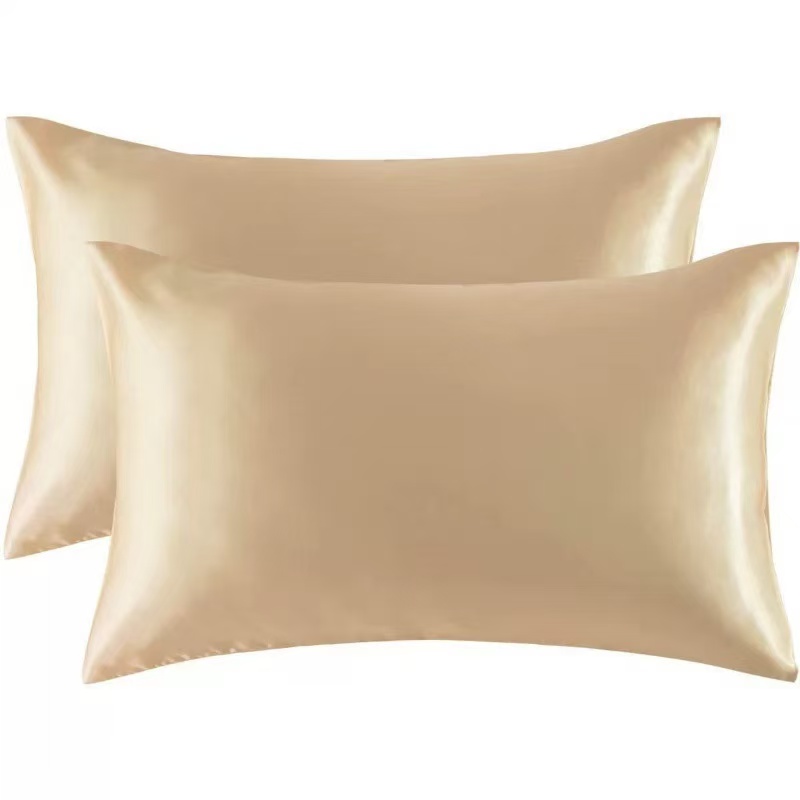
Satin refers to a weaving technique that creates a glossy, smooth surface. It is not a material but can be crafted using various fibers. Common options include polyester, a synthetic fiber, and silk, a natural one. Satin weaves, such as 4-harness, 5-harness, and 8-harness, determine its texture and luster. This versatility answers the question, “are satin pillowcases polyester or made from other materials?” A polyester satin pillowcase offers affordability, while silk versions boast luxurious softness.
Key Takeaways
- Satin is a way of weaving, not a type of fabric. Always look at the fibers to know satin’s quality.
- Polyester satin costs less and is simple to care for. Silk satin feels better and helps your skin and hair.
- Think about your money and needs when picking satin pillowcases. Polyester is cheap, but silk is fancy and eco-friendly.
Are Satin Pillowcases Polyester or Made from Other Materials?
What Is Satin?
Satin is not a material but a weaving technique that creates a smooth, glossy surface on one side and a dull finish on the other. It is one of the three basic textile weaves, alongside plain and twill weaves. Originally, satin was made exclusively from silk. However, advancements in textile manufacturing have allowed it to be produced using synthetic fibers like polyester, rayon, and nylon.
Satin’s unique characteristics include its ability to drape easily, its wrinkle resistance, and its durability. These features make it a popular choice for various applications, including dresses, upholstery, and bedding. Satin pillowcases, in particular, benefit from the fabric’s smooth texture, which reduces friction and promotes comfort during sleep.
Tip: When shopping for satin products, remember that the term “satin” refers to the weave, not the material. Always check the fiber content to understand the product’s quality and benefits.
Common Materials Used for Satin Pillowcases
Satin pillowcases can be made from a variety of materials, each offering unique properties. The most common materials include:
- Silk: A natural fiber known for its luxurious feel and breathability.
- Polyester: A synthetic fiber that mimics the shine of silk but is more affordable.
- Rayon: A semi-synthetic fiber derived from cellulose, offering a soft texture.
- Nylon: A synthetic fiber known for its strength and elasticity.
According to industry reports, cotton dominates the textile market, accounting for 60-70% of total fiber production. While cotton is primarily used for apparel, 20-30% of its usage is in home textiles, including satin pillowcases. This highlights the versatility of satin, which can be crafted from both natural and synthetic fibers to suit different needs and budgets.
Polyester Satin vs. Natural Fiber Satin: Key Differences
When comparing polyester satin to natural fiber satin, several key differences emerge. The table below highlights these distinctions:
| Feature | Polyester Satin | Natural Fiber Satin |
|---|---|---|
| Composition | Synthetic, made from petroleum products | Made from natural materials like silk, rayon, or nylon |
| Weave | Mimics other fabrics, lacks distinct pattern | Distinct satin weave for smoothness and shine |
| Cost | Generally more affordable | Often more expensive, especially silk satin |
| Common Uses | Budget-friendly options | Luxury items and high-end fashion |
Polyester satin pillowcases are popular for their affordability and ease of maintenance. They resist wrinkles and are machine washable, making them a practical choice for everyday use. In contrast, natural fiber satin, particularly silk, offers superior breathability and a softer texture. Silk satin pillowcases are often recommended for their skin and hair benefits, as they reduce friction and help retain moisture.
Note: While polyester satin provides a shiny appearance, it does not offer the same level of comfort or eco-friendliness as natural fiber satin.
Comparing Polyester Satin and Natural Fiber Satin Pillowcases
Texture and Feel
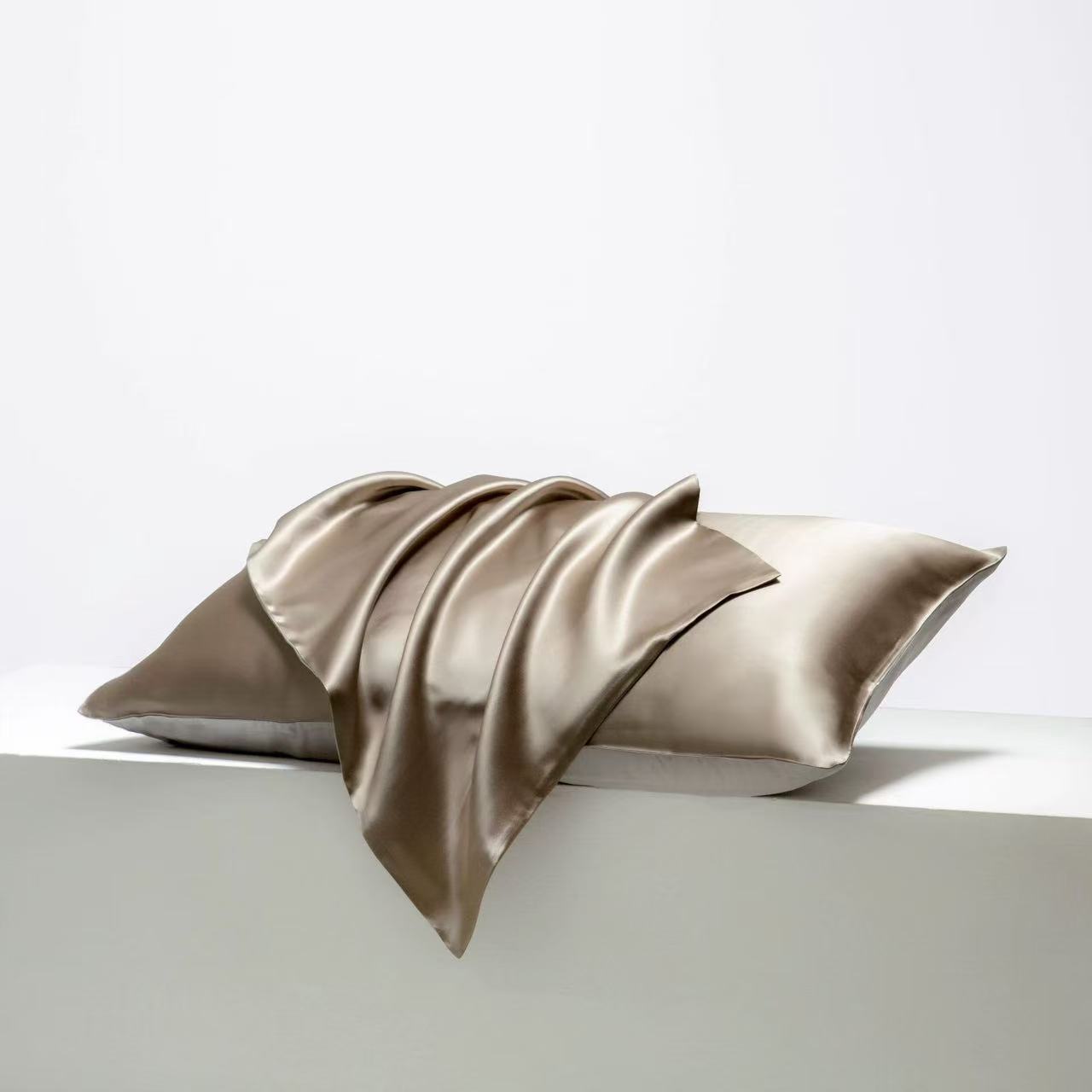
The texture of a satin pillowcase depends on the material used. Polyester satin offers a smooth and shiny surface, but it lacks the luxurious softness of natural fibers like silk. Silk satin feels softer and cooler against the skin, making it a preferred choice for those seeking comfort. Laboratory tests reveal that silk provides a gentler tactile experience due to its natural fibers. Polyester satin, while visually similar, does not replicate the same level of smoothness or breathability.
For individuals with sensitive skin, the difference in texture can be significant. Silk’s natural fibers reduce friction, which helps prevent irritation and hair breakage. Polyester satin, although smooth, may not offer the same benefits. Choosing between these options often depends on personal preferences and priorities.
Durability and Maintenance
Durability is another key factor when comparing polyester satin and natural fiber satin pillowcases. Polyester satin is highly durable and resistant to wear and tear. It can withstand frequent washing without losing its shine or texture. This makes it a practical choice for everyday use.
Silk satin, on the other hand, requires more careful maintenance. It is less resistant to damage and may lose its luster over time if not handled properly. Washing silk pillowcases often involves handwashing or using a delicate cycle with specialized detergents. While silk offers unmatched luxury, its maintenance demands may not suit everyone. Polyester satin provides a more convenient option for those with busy lifestyles.
Breathability and Comfort
Breathability plays a crucial role in the comfort of satin pillowcases. Natural fibers like silk excel in this area. Silk is naturally breathable and moisture-wicking, which helps regulate temperature during sleep. Tests show that water disperses quickly on silk, indicating effective moisture management. This makes silk satin an excellent choice for hot sleepers or those living in warm climates.
Polyester satin, while smooth and shiny, does not offer the same level of breathability. It tends to trap heat, which can make it less comfortable for some users. For individuals who prioritize comfort and temperature regulation, natural fiber satin pillowcases are the better option.
Environmental Impact
The environmental impact of satin pillowcases varies significantly between polyester and natural fibers. Polyester satin is made from synthetic materials derived from petroleum. Its production process consumes non-renewable resources and generates more waste. Additionally, polyester is not biodegradable, contributing to long-term environmental concerns.
Silk satin, crafted from natural fibers, is a more eco-friendly choice. Silk production involves renewable resources and results in a biodegradable product. However, it is worth noting that silk manufacturing can still have environmental implications, such as water usage and the ethical treatment of silkworms. For those seeking sustainable options, silk satin offers a more environmentally conscious alternative compared to polyester satin.
Tip: Consider the environmental impact of your choice when selecting a satin pillowcase. Opting for natural fibers like silk supports sustainability efforts.
Choosing the Right Satin Pillowcase for Your Needs
Budget Considerations
Budget plays a significant role in selecting a satin pillowcase. Polyester satin offers an affordable option for those seeking a smooth and shiny surface without spending too much. Its synthetic composition allows for mass production, keeping costs low. On the other hand, natural fiber satin, such as silk, comes with a higher price tag due to its labor-intensive production process. Silk pillowcases are often considered a luxury item, making them less accessible for budget-conscious shoppers.
For individuals prioritizing affordability, polyester satin provides a practical solution. However, those willing to invest in long-term quality and comfort may find silk satin worth the extra cost.
Skin and Hair Benefits
Satin pillowcases are often praised for their benefits to skin and hair. Silk satin, in particular, reduces friction, which helps prevent hair breakage and minimizes skin irritation. Its natural fibers retain moisture, promoting healthier skin and hair. Dermatologists frequently recommend silk pillowcases for individuals with sensitive skin or conditions like acne.
Polyester satin also offers a smooth surface but lacks the moisture-retaining properties of silk. While it can reduce friction, it may not provide the same level of care for skin and hair. For those prioritizing beauty benefits, silk satin remains the superior choice.
Sustainability and Environmental Impact
The environmental impact of satin pillowcases varies by material. Silk production involves eco-friendly practices, such as cultivating Mulberry trees, which support ecological balance. Silk pillowcases biodegrade naturally, leaving no harmful residue. Polyester satin, however, is made from petroleum-based materials, contributing to pollution and waste.
| Metric | Silk | Synthetic Fibers |
|---|---|---|
| Biodegradability | Biodegradable | Non-biodegradable |
| Environmental Impact | Sustainable production process | High environmental cost |
Choosing silk satin supports sustainability efforts, while polyester satin poses long-term environmental challenges.
Maintenance Preferences
Maintenance requirements differ significantly between polyester and silk satin. Polyester satin is machine washable and resists wrinkles, making it easy to care for. This convenience appeals to individuals with busy lifestyles.
Silk satin, however, demands more attention. Handwashing or using a delicate cycle with specialized detergents is often necessary to preserve its quality. While silk offers unmatched luxury, its maintenance may not suit everyone. Polyester satin provides a hassle-free alternative for those prioritizing convenience.
Tip: Consider your lifestyle and time availability when choosing a satin pillowcase. Opt for polyester satin for easy care or silk satin for a luxurious experience.
Satin pillowcases come in polyester and natural fiber options, each with distinct advantages. Polyester satin offers affordability and easy care, while silk satin excels in comfort and sustainability.
Tip: Buyers should evaluate their budget, health priorities, and environmental concerns. Choosing wisely ensures maximum benefits and long-term satisfaction.
FAQ
What is the main difference between polyester satin and silk satin?
Polyester satin is synthetic, affordable, and easy to maintain. Silk satin, made from natural fibers, offers superior softness, breathability, and eco-friendliness but requires more care.
Are satin pillowcases good for hair and skin?
Yes, satin pillowcases reduce friction, preventing hair breakage and skin irritation. Silk satin retains moisture better, making it ideal for sensitive skin and hair health.
How can I tell if a satin pillowcase is made of silk?
Check the label for “100% silk” or “Mulberry silk.” Silk feels cooler and softer than polyester. Polyester satin often has a shinier, less natural appearance.
Post time: May-27-2025