
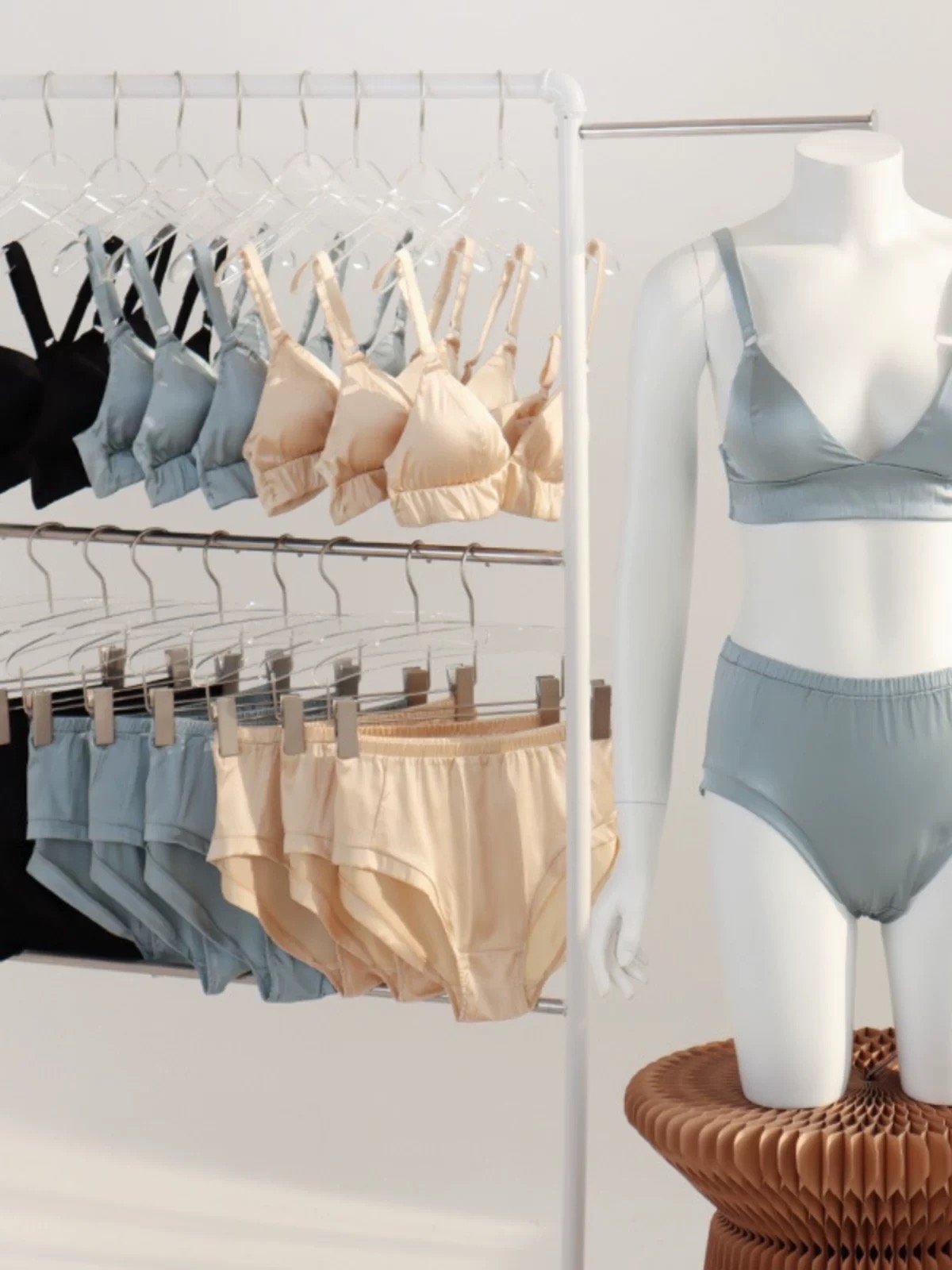
I always look for suppliers who deliver consistent quality and reliability. In 2025, I trust Wonderful Textile, DG SHANG LIAN, Seam Apparel, BKage Underwear, Lingerie Mart, Intimate Apparel Solutions, Suzhou Silk Garment, Underwear Station, Silkies, and Yintai Silk. These companies offer silk underwear made from premium materials, including OEKO-TEX certified silk underwear.
Key Takeaways
- Choose suppliers who offer high-quality silk underwear with trusted certifications like OEKO-TEX and ISO 9001 to ensure safety and reliability.
- Look for suppliers that provide customization options, flexible order sizes, and strong customer support to meet your brand’s unique needs.
- Prioritize suppliers committed to sustainability, ethical practices, and efficient global shipping to build a responsible and smooth supply chain.
Silk Underwear Supplier Profiles
Wonderful Textile
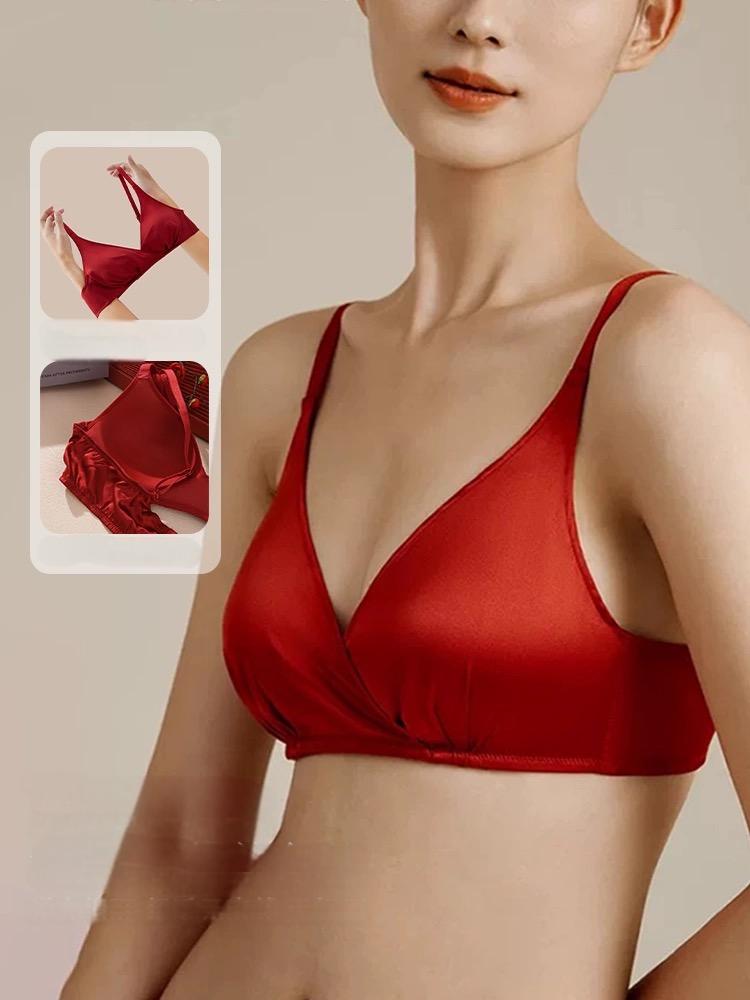
When I look for a supplier that combines tradition with innovation, I always consider Wonderful Textile. This company has over 20 years of experience in silk manufacturing. Their team focuses on producing high-quality silk underwear using 100% mulberry silk. I appreciate their commitment to strict quality control and their ability to offer both classic and modern designs. Wonderful Textile stands out for its OEKO-TEX certified products, which assures me that their silk underwear meets international safety and environmental standards. Their B2B services include private labeling, custom packaging, and flexible minimum order quantities. I find their customer support responsive and knowledgeable, which makes the entire sourcing process smooth and efficient.
Tip: Wonderful Textile’s website provides detailed information about their production capabilities and certifications, which helps me make informed decisions for my business.
DG SHANG LIAN
DG SHANG LIAN has built a reputation for delivering premium silk underwear to global markets. I value their focus on using high-grade silk fibers and advanced dyeing techniques. Their product range covers men’s and women’s styles, including briefs, boxers, and camisoles. I have found their lead times reliable, and their logistics team handles international shipping efficiently. DG SHANG LIAN also offers customization options, which allows me to tailor products to my brand’s needs.
Seam Apparel
Seam Apparel impresses me with its dedication to quality improvement and process optimization. The company applies the PDCA approach and seven quality tools, which led to a 33.7% monthly reduction in finishing defects for men’s formal jackets. This result shows their commitment to continuous improvement. They use TQM tools like Pareto analysis and cause-effect diagrams to identify and correct major sewing defects. I have seen their production process maintain a daily defect rate of about 4%, which demonstrates consistent quality control. Their line balancing methods have increased efficiency, and the 4-point fabric inspection system reduced fabric-related defects by 90%. These benchmarks give me confidence in their ability to deliver superior silk underwear with minimal defects.
BKage Underwear
BKage Underwear specializes in contemporary silk underwear designs. I appreciate their focus on comfort and fit, which appeals to a younger demographic. Their design team keeps up with fashion trends, offering seasonal collections that help my business stay relevant. BKage Underwear provides flexible order quantities and supports private label projects, making them a good partner for growing brands.
Lingerie Mart
Lingerie Mart offers a wide selection of silk underwear at competitive wholesale prices. I rely on their extensive inventory and fast order processing. Their platform makes it easy to browse styles and place bulk orders. Lingerie Mart’s customer service team responds quickly to inquiries, which streamlines my purchasing process. They also provide detailed product descriptions and sizing guides, which help me make informed choices.
Intimate Apparel Solutions
Intimate Apparel Solutions stands out for its strong market presence and growth in the silk underwear segment. The global market for intimate apparel reached USD 40.1 billion in 2023 and is projected to grow to USD 64.7 billion by 2033, with a 4.9% CAGR. Silk remains a key luxury fabric, favored for special occasion pieces. I see that Intimate Apparel Solutions responds to consumer demand for comfort, style, and sustainability. Their online retail channels dominate distribution, and they compete with major brands like Victoria’s Secret and La Perla. The company’s focus on inclusivity and sustainability aligns with current market trends, making them a reliable supplier for my business.
| Metric/Aspect | Details |
|---|---|
| Global Market Size (2023) | USD 40.1 billion |
| Projected Market Size (2033) | USD 64.7 billion |
| Compound Annual Growth Rate (CAGR) | 4.9% (2024-2033) |
| Key Fabric Segment | Silk identified as a key luxury fabric alongside satin, favored for special occasion pieces |
| Market Drivers | Consumer demand for comfort, style, sustainability, and inclusivity |
| Distribution Channel Dominance | Online retail dominates distribution |
| Competitive Landscape | Major players include Victoria’s Secret, Calvin Klein, La Perla |
| Recent Performance Highlights | Victoria’s Secret raised sales forecast with 7% revenue increase in Q3 2024 |
| Market Trends | Growth driven by sustainability awareness and inclusivity |
Suzhou Silk Garment
Suzhou Silk Garment operates in Jiangsu province, a major textile manufacturing hub in China. I benefit from their access to large fabric markets like the Jiangsu Changshu Jingu Cloth Market, which hosts thousands of vendors. The region’s established manufacturers, such as Hengli Group, provide a reliable supply chain and high-quality fabrics. Suzhou Silk Garment often holds international certifications like ISO 9001. Their quality control measures include factory audits, third-party inspections, and on-site checks during production. I can request pre-production samples and participate in inspections to ensure standards are met. These practices assure me of their product quality and reliability.
- Jiangsu province is a major textile manufacturing hub.
- The region hosts large fabric markets and established manufacturers.
- International certifications and quality control measures are common.
- Customers can participate in on-site inspections.
- Contracts often include clear quality requirements and penalties for non-compliance.
Underwear Station
Underwear Station offers a diverse range of silk underwear styles for men and women. I appreciate their focus on both classic and modern designs. Their production team uses advanced machinery to ensure consistent quality. Underwear Station provides detailed product specifications and supports custom branding. Their logistics network covers major global markets, which helps me manage international orders efficiently.
Silkies
Silkies has a long-standing reputation for producing comfortable and affordable silk underwear. I value their commitment to using pure silk fibers and maintaining strict quality standards. Their product catalog includes a variety of styles, from briefs to slips. Silkies offers volume discounts and flexible shipping options, which makes them a practical choice for businesses of all sizes.
Yintai Silk
Yintai Silk combines traditional craftsmanship with modern production techniques. I find their silk underwear collections elegant and well-made. The company invests in research and development to improve fabric softness and durability. Yintai Silk supports private label projects and offers competitive pricing for bulk orders. Their customer service team provides timely updates and clear communication throughout the order process.
Why These Silk Underwear Suppliers Stand Out
Product Quality and Fabric Sourcing
I always prioritize suppliers who deliver consistent quality and reliability. These companies stand out because they use high-quality materials and maintain strong relationships with trusted sources.
- They follow ethical and sustainable sourcing practices.
- Supplier operations remain transparent, verified through regular audits.
- Certifications like GOTS and Bluesign confirm their commitment to environmental and social responsibility.
- Many suppliers use recycled or eco-friendly materials and consider the entire product life cycle.
Range of Styles and Customization
I see a wide variety of silk underwear styles, from classic briefs and high-waisted panties to lace-trimmed designs and silk boxer shorts.
- Suppliers offer customization options, including unique patterns, adjustable sizes, and flexible color choices.
- Seasonal and limited-edition collections help my business stay on trend.
- Social media trends and consumer demand for inclusivity drive the popularity of new styles and sizing options.
Pricing and Minimum Order Quantities
Pricing structures and minimum order quantities play a key role in my supplier selection. Studies show that as order size increases, price and quality become more important. Suppliers who efficiently meet minimum order requirements and offer competitive pricing gain a clear advantage. Strategic pricing decisions, based on demand responsiveness, help me maximize profitability.
Sustainability and Ethical Practices
Sustainability audits and regular reporting give me confidence in these suppliers’ ethical practices. They track key metrics like carbon emissions, packaging sustainability, and compliance with labor standards. Certifications such as Fair Trade and SA8000, along with transparent scorecards, validate their eco-friendly claims and support continuous improvement.
Global Shipping and Logistics Support
I rely on suppliers with strong logistics performance. Real-time inventory visibility, route optimization, and compliance with customs and safety regulations ensure smooth global shipping.
| KPI Category | Examples of Metrics |
|---|---|
| Service Performance | On-time pickup and delivery, OTIF, damage rate, claims percentage |
| Freight Cost | Freight cost per unit, billing accuracy percentage |
| Carrier Compliance | Routing guide compliance, carrier rate benchmarking |
| Order Fulfillment | % Filled of orders, order fulfillment turn times |
Key Buying Considerations for Silk Underwear
Fabric Quality and Certifications
When I evaluate silk underwear suppliers, I always check for recognized certifications. These certifications assure me of fabric authenticity, safety, and ethical production.
- ISO 9001 confirms consistent quality management and traceability.
- OEKO-TEX Standard 100 and ECO PASSPORT guarantee products are free from harmful substances.
- GOTS and Fair Trade certifications show a commitment to organic materials and fair labor.
- Bluesign and ZDHC focus on environmental safety and responsible chemical use.
- SGS and Intertek testing verify silk’s physical properties and fiber composition.
Fit, Comfort, and Sizing Options
I know that comfort and fit are essential for customer satisfaction. I look for suppliers who offer a wide range of sizes and styles. Adjustable waistbands, seamless construction, and soft finishes make a difference. I also value detailed sizing charts and the ability to request custom measurements.
Durability and Care Requirements
Durability matters to me because it impacts customer loyalty. I prefer silk underwear that resists fading, stretching, and pilling. Suppliers who provide clear care instructions help my customers maintain product quality. Reinforced seams and colorfast dyes extend the garment’s lifespan.
Sustainability and Eco-Friendly Options
Sustainability influences my purchasing decisions. I choose suppliers with certifications like FSC, Rainforest Alliance, and Cradle to Cradle. These labels show responsible sourcing and eco-friendly production. I also look for ISO 14001 and B Corporation certifications, which reflect a broader commitment to environmental management.
Supplier Reliability and Communication
Reliable suppliers help my business run smoothly. I assess their product quality, inspection processes, and customer service.
| Metric | Description |
|---|---|
| Product Quality | Consistent durability and appearance |
| Fit | Accurate sizing for diverse customers |
| Inspection Processes | Thorough checks before shipping |
| Customer Service | Responsive and transparent communication |
Regular feedback, flexible return policies, and open dialogue build trust and long-term partnerships.
How to Evaluate and Select the Right Silk Underwear Supplier
Assessing Customization Capabilities
When I evaluate a supplier’s ability to deliver tailored solutions, I look for a structured approach throughout the production process.
- In the design phase, I check if the supplier uses 3D body scanning and AI-driven design to create personalized fits.
- During cutting, I prefer suppliers who use CNC equipment and intelligent typesetting for precision and minimal waste.
- For sewing, I value a blend of skilled manual work and automated robots, with quality checks on every batch.
- I always review their inspection process for fabric quality, fit, and durability.
- Finally, I confirm their sustainability certifications and lean production methods.
Reviewing Policies and Terms
I always review supplier policies and contract terms before making a commitment. Effective suppliers use standardized contract templates, automated approval workflows, and regular policy reviews. Their contracts include clear documentation of negotiations and changes. I look for enforceable agreements with strong internal controls, which reduce risk and ensure compliance. Comprehensive contracts with key clauses—like audit rights and dispute resolution—give me confidence in the partnership.
Checking Reputation and Reviews
I rely on aggregated reviews and reputation scores to assess suppliers. Verified reviews and sentiment analysis help me identify trustworthy partners. I use review aggregation tools to monitor supplier performance and market positioning. I also consider both quantitative metrics, such as defect and return rates, and qualitative feedback from audits and internal teams. Regular monitoring and benchmarking against industry standards help me make informed decisions.
Requesting Samples and Prototypes
Before placing a large order, I always request samples or prototypes. This step allows me to evaluate product quality, fit, and finish firsthand. I check for reinforced seams, colorfastness, and comfort. Reviewing samples helps me confirm that the supplier can meet my brand’s requirements and maintain consistency across batches.
Negotiating Pricing and Payment Terms
I approach pricing and payment negotiations with a clear strategy. I benchmark supplier prices using cost-based and value-based models. I discuss payment terms such as Net 30, early payment discounts, and milestone payments. I also consider cultural differences in payment norms. Real-world case studies show that flexibility in pricing and payment schedules can strengthen supplier relationships and improve cash flow for both parties.
Expert Recommendations and Silk Underwear Trends for 2025
 Trends in Silk Underwear for 2025
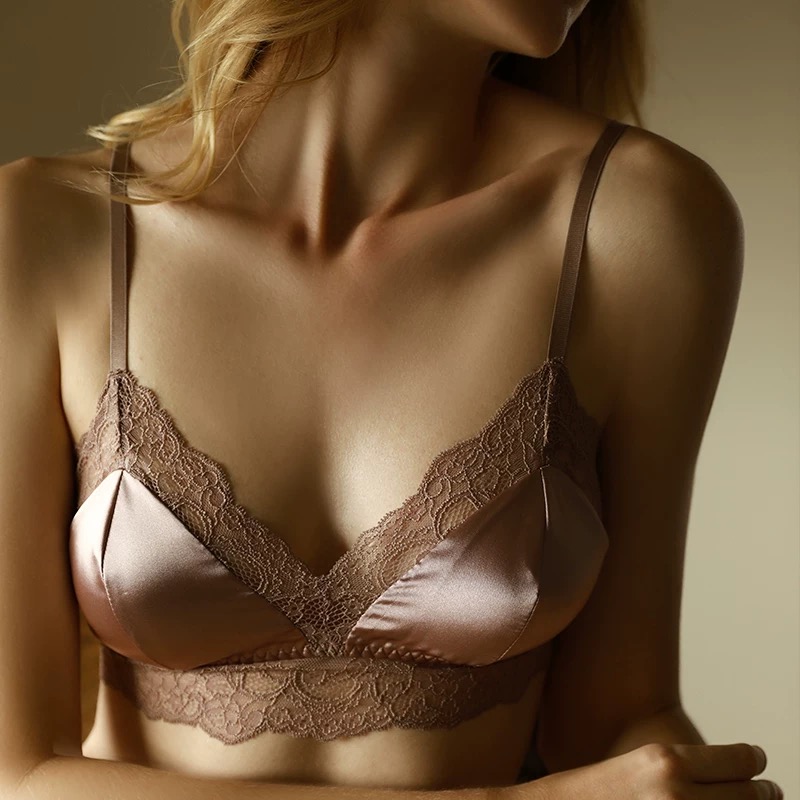
I see a clear shift in the market as consumers prioritize comfort, luxury, and sustainability. The global underwear market is set for strong growth from 2025, fueled by urbanization and rising disposable incomes. More people now seek premium materials and stylish designs for their daily wear. In North America, seamless and ergonomic designs are gaining popularity, reflecting a broader trend toward wellness-driven fashion. Body positivity and inclusivity also shape product development, with brands expanding size ranges and offering more diverse styles. The global silk market is expected to grow at a robust pace, especially in textiles, as softness and strength remain top priorities for buyers. European and US markets continue to drive innovation, making this an exciting time for new product launches.
Tips for Building Long-Term Supplier Relationships
I believe that strong supplier relationships require ongoing engagement and clear communication. I have learned from industry leaders who invest in supplier assessment programs and regular training. For example:
- Organize Supplier Days to foster open dialogue.
- Use sustainability questionnaires to track progress.
- Join collaborative initiatives that set industry standards.
- Provide training for both procurement teams and suppliers.
A manufacturing company I studied used a multi-criteria framework to evaluate and develop suppliers, focusing on sustainability and long-term value. Management ownership and internal support play a key role in building trust and driving continuous improvement.
Tip: Regularly review supplier performance and share feedback to strengthen partnerships.
Innovations in Silk Fabric and Design
I notice rapid advancements in silk fabric technology and design. Manufacturers now use AI-driven design tools and 3D body scanning to create personalized fits. New finishing techniques enhance silk’s durability and softness, while eco-friendly dyes reduce environmental impact. Designers experiment with seamless construction and ergonomic cuts, responding to consumer demand for both comfort and style. I recommend staying updated on these innovations to keep your product line competitive.
I know that partnering with the right wholesale supplier drives business growth and customer satisfaction. I recommend using this guide to make informed decisions and gain a competitive edge. Staying current with industry trends and supplier innovations helps me keep my product line fresh and relevant.
FAQ
What is the typical minimum order quantity for wholesale silk underwear?
I usually see minimum order quantities range from 100 to 500 pieces per style. Some suppliers offer flexible options for new clients.
Can I request custom designs or private labeling?
I often request custom designs and private labeling. Most suppliers support these services and provide samples before full production.
Which certifications should I look for when sourcing silk underwear?
I always check for OEKO-TEX, GOTS, and ISO 9001 certifications. These confirm product safety, organic materials, and quality management.
Tip: Ask suppliers for digital copies of their certifications before placing an order.
Post time: Jun-13-2025