
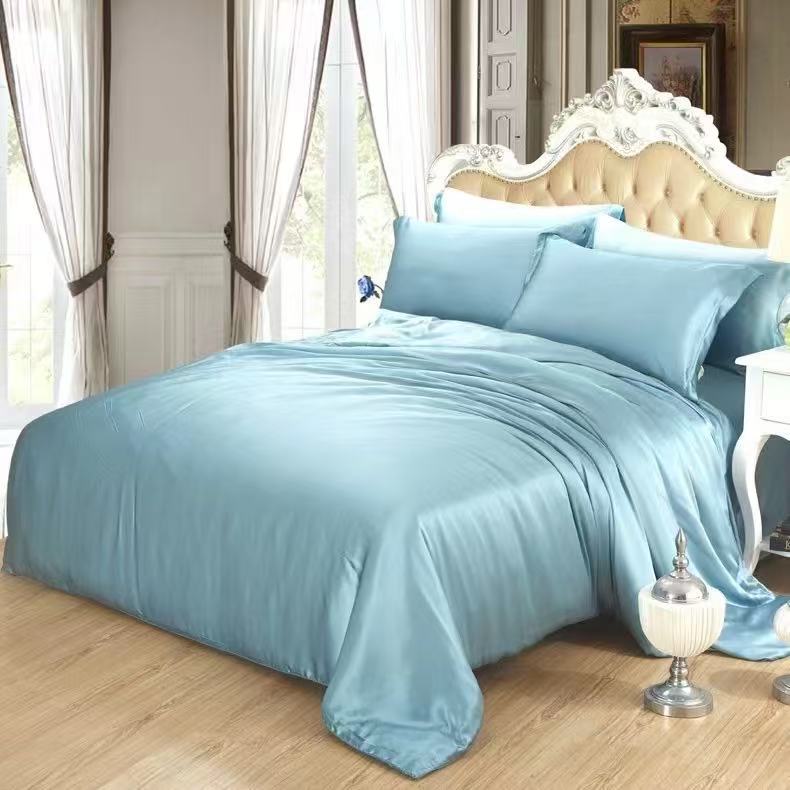
The “beauty sleep economy” is projected for significant growth by 2026. Consumers are increasingly recognizing the profound impact of sleep on skin health. This heightened awareness is fueling demand for targeted solutions. Consequently, a high-quality 100% silk pillowcase and a Silk Scrunchie are emerging as essential offerings for skincare brands. To meet this evolving market need, brands will partner with a trusted 100% silk pillowcase manufacturer like Wenderful. You can learn more about Wenderful at https://www.cnwonderfultextile.com/contact-us/.
Key Takeaways
- Good sleep helps your skin stay healthy and look good.
- Silk pillowcases and scrunchies are good for your skin and hair. They reduce friction and keep moisture.
- More people want products that help them sleep better and improve their beauty. This is a big chance for beauty brands.
Understanding the Rise of the Beauty Sleep Economy
Sleep’s Impact on Skin Health
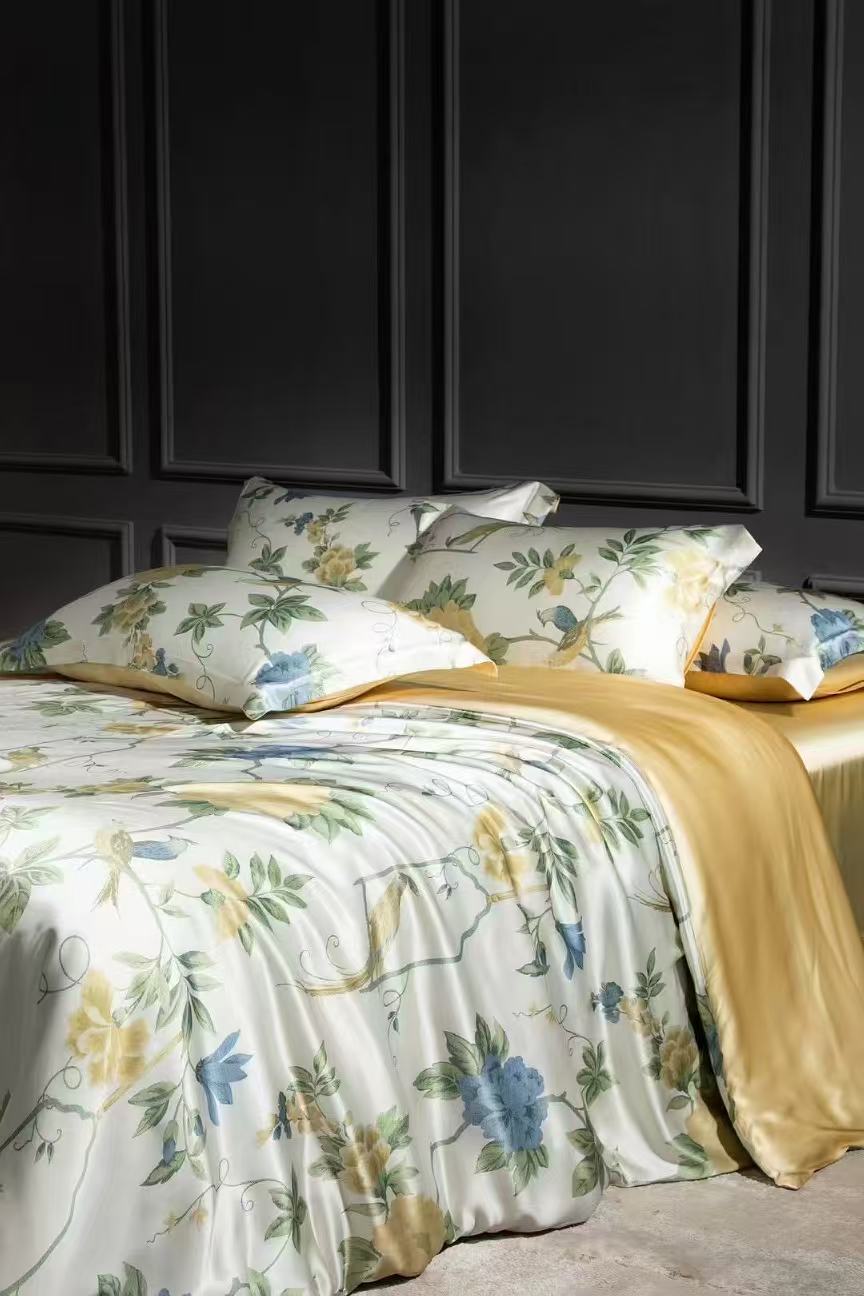
Sleep significantly influences skin health. Sleep deprivation impairs collagen synthesis, a key protein for skin elasticity and firmness. Lack of sleep also interrupts cellular repair and turnover. This leads to more prominent wrinkles, fine lines, and dark circles. Poor sleep decreases the function of the skin barrier, making skin vulnerable to environmental damage. It also increases transepidermal water loss, reducing hydration and firmness. Studies show poor quality sleepers have higher SCINEXA™ scores and greater rates of skin aging and dryness. They also exhibit poorer skin recovery after UV exposure and tape stripping. Poor sleep quality exacerbates conditions such as eczema, rosacea, atopic dermatitis, psoriasis, and acne.
Shifting Consumer Priorities to Holistic Wellness
The beauty industry now embraces a holistic wellness approach. Consumers view products as essential components of personal identity and wellbeing. This drives a shift towards protective beauty products and mental wellbeing messaging. Products supporting both physical and emotional wellbeing are in high demand. Households with tweens drive 49% of mass skincare growth in the US. Approximately 68% of combined Gen Z and Alpha already have established skincare routines. Wellness spending in the US exceeds $500 billion annually. Eighty-four percent of US consumers consider wellness a top priority. Younger consumers embrace new, holistic definitions of wellness. They seek personalized solutions, functional benefits, and ingredient transparency.
Market Drivers: Stress, Digital Fatigue, and Natural Solutions
Stress and digital fatigue are significant market drivers. Employees in highly digitalized workplaces show higher techno-invasion stress. This indicates pressure from constant connectivity. Older workers with less prior technology exposure struggle with digital inclusion. Over 40% of shoppers prioritize natural components in their beauty and personal care products. Approximately 71% of customers prefer face creams or lotions labeled as natural. Thirty-eight percent of customers desire shampoos or hair oils formulated with botanical ingredients. Consumers prioritize brands with ‘free from,’ cruelty-free, vegan, plant-based, and eco-friendly attributes. This demand for natural solutions directly addresses concerns about stress and digital overload.
Why Silk: Skincare Benefits of 100% Silk Pillowcase and Scrunchies
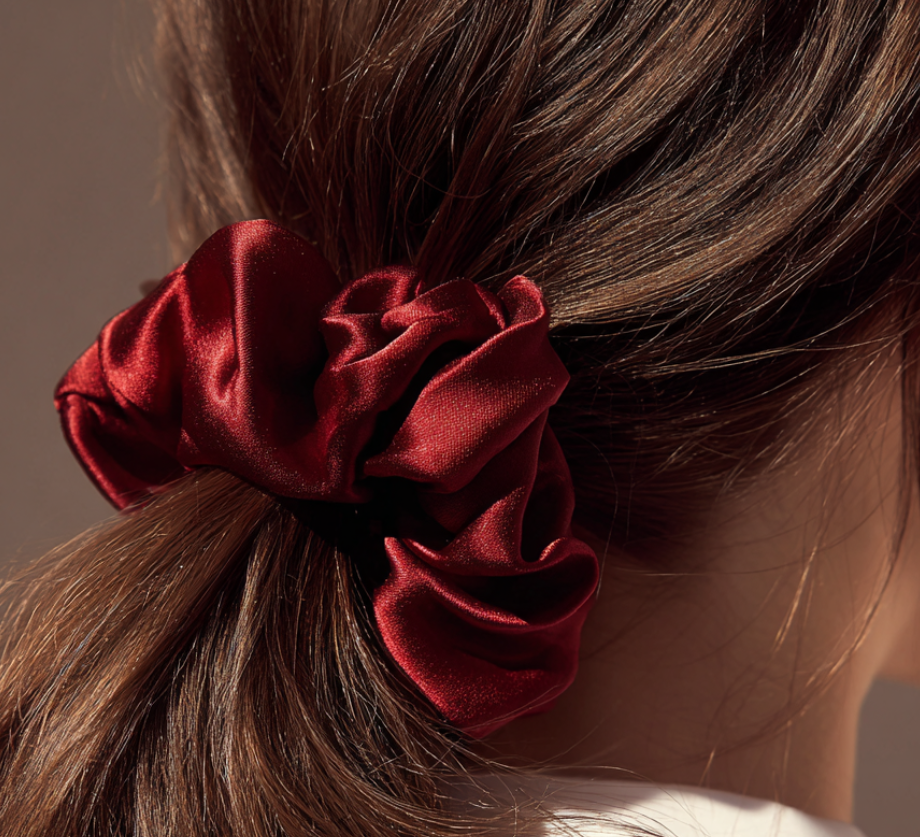 Silk stands out as a superior material for beauty sleep products due to its unique natural properties. It offers significant advantages for both skin and hair health. These benefits make a 100% silk pillowcase and silk scrunchies essential tools in a comprehensive skincare routine.
Reduced Friction and Hair Breakage
Cotton pillowcases create significant friction against hair strands. This mechanical stress, accumulating over 30-40 head movements nightly, leads to increased hair breakage, split ends, tangles, and frizz. A lab study confirmed with 95% certainty that silk reduces friction by 34% compared to cotton. Conversely, cotton creates 51% more friction on hair than silk. This allows hair to glide smoothly, resulting in reduced breakage, protected cuticles, and minimal tangles. The International Journal of Trichology (2011) indicates that friction between hair fibers and pillowcase material contributes to increased breakage and tangling. Silk fibers create a frictionless surface, allowing hair to move freely. This reduces cuticle damage and static buildup. This is especially beneficial for individuals with hair fragility due to conditions like alopecia or post-partum shedding.
Consider the coefficient of friction:
| Material | Coefficient of Friction (vs skin) |
|---|---|
| Untreated Mulberry Silk | 0.14–0.17 |
| Polyester Satin | 0.22–0.29 |
Cotton pillowcases exhibit 3–5 times more friction than silk. Polyester satin falls between these two in terms of friction. While scientific research on silk pillowcases is limited, many dermatologists and hair care professionals recognize their potential advantages for hair health. Silk pillowcases can reduce mechanical hair breakage, which can lead to the appearance of fuller hair over time and support healthy hair growth.
Hypoallergenic and Breathable Properties
Silk is naturally hypoallergenic, making it an excellent choice for sensitive skin and allergy sufferers. It resists common allergens.
- Dust mites
- Harmful substances (OEKO-TEX Certified)
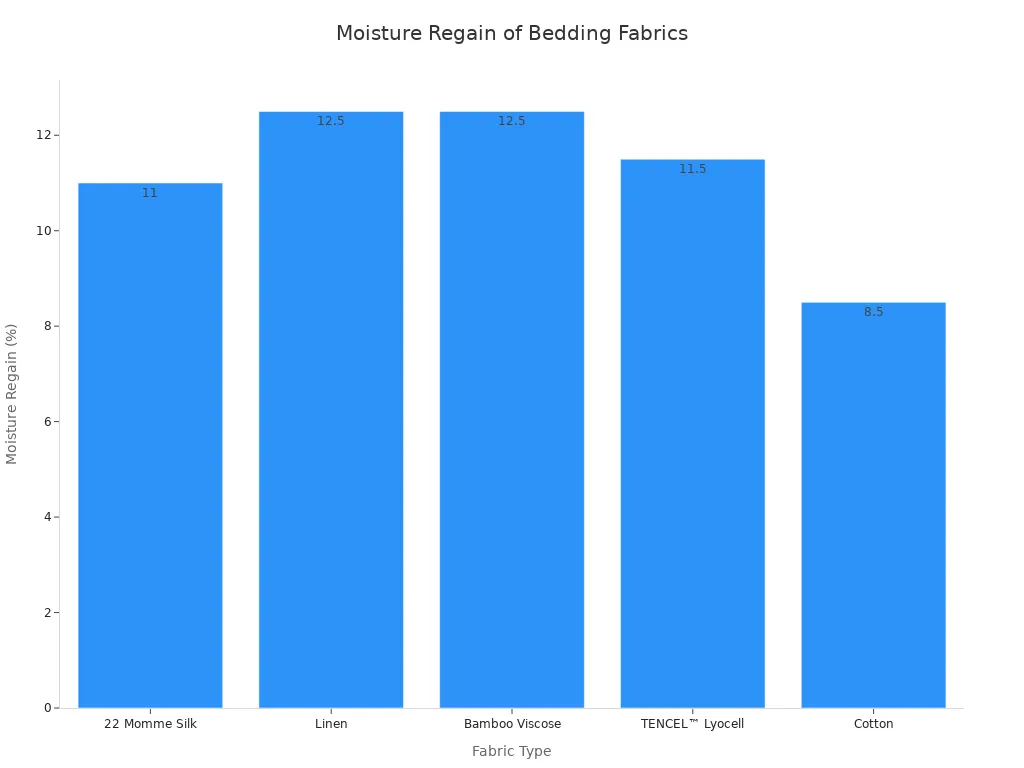
This natural resistance ensures a cleaner sleep environment. Beyond its hypoallergenic qualities, silk offers remarkable breathability. While linen is often considered the most breathable fabric, silk follows closely, outperforming cotton in clamminess reduction. Silk’s moisture regain is higher than cotton, meaning it feels drier on the skin because it absorbs sweat before surface saturation. Silk’s MVTR (around 3,200 g/m²/day) balances vapor transport with a smooth feel. Its drying time is faster than cotton but slower than linen, positioning it as a comfort ‘middle ground’ for muggy nights.
Moisture Retention for Skin
Unlike highly absorbent materials like cotton, silk does not draw moisture away from the skin or skincare products. This low absorbency is crucial for maintaining skin hydration during sleep. A study published in the Textile Research Journal (Li et al., 2011) confirmed that cotton absorbs significantly more moisture than silk. This property allows moisturizers and serums to remain on the skin longer, enhancing their overnight efficacy. The American Academy of Dermatology (AAD) emphasizes that maintaining skin hydration is vital for preventing irritation, particularly for those with dry, sensitive, or eczema-prone skin.
During sleep, silk’s natural hydrating properties and breathable fibers help the skin retain its essential natural oils. This prevents the dryness and dullness often caused by absorbent fabrics like cotton. These other fabrics tend to strip away moisturizers and nourishing products applied before bed. By keeping moisture close to the skin throughout the night, silk allows night creams and other beauty products to fully absorb into the skin. This leads to a more hydrated and supple complexion upon waking.
Consider the moisture absorption rates:
| Fabric Type | Moisture Absorption Rate | Additional Properties/Notes |
|---|---|---|
| Silk | 1.5 times better than cotton; absorbs only 11% of its weight in liquid (one source) or up to 30% without feeling damp (another source); lets moisture evaporate quickly; absorbs and releases about 200cc of nighttime perspiration. | Better breathability than most synthetics; regulates temperature effectively; thinner and smoother fibers create more air space. |
| Cotton | Can absorb up to 30% of its weight in liquid; soaks up water and stays wet for a long time. | Open structure allows free airflow; holds lots of water without feeling wet. |
| Synthetic Fabrics (e.g., polyester, nylon) | Good at wicking moisture (water-repelling properties). | Often lack natural breathability; might feel sticky when sweating; do not breathe as naturally as silk. |
Silk’s Superiority Over Other Materials
Silk’s unique fiber structure and properties make it superior to cotton and satin for beauty sleep products. A 100% silk pillowcase offers unparalleled benefits.
| Feature | Cotton | Satin | Silk |
|---|---|---|---|
| Material Source | Plant-based natural fiber | Synthetic (polyester/nylon) from petroleum | Natural protein-based fiber from silkworm cocoons |
| Surface Texture | Rough, absorbent with tiny fibers | Smooth, slippery feeling | Smooth, lustrous, nearly friction-free |
| Hair Benefits | Creates friction, tangles, breakage; absorbs natural oils | Reduces some friction but no nourishing properties | Allows hair to glide freely; contains amino acids that condition hair |
| Hair Moisture | Absorbs moisture — acts like “reverse conditioner” | Less absorbent than cotton | Helps hair retain natural moisture and oils |
| Skin Benefits | Absorbs skincare products; contributes to sleep wrinkles through friction | Less absorbent than cotton but no active benefits | Doesn’t absorb skincare products; reduces sleep wrinkles |
| Hypoallergenic | No — can harbor dust mites and allergens | No — synthetic materials may cause reactions | Yes — naturally hypoallergenic and antimicrobial |
| Temperature Regulation | Poor — absorbs moisture but loses insulating properties when damp | Not breathable — traps heat and moisture | Excellent — naturally regulates temperature year-round |
| Breathability | Moderate but becomes poor when damp | Poor — synthetic materials don’t breathe well | Excellent — natural moisture-wicking properties |
Cotton, a plant-based fiber, has a rough, absorbent texture. It absorbs moisture from hair and skin, soaking up products and natural oils. This can lead to drier skin. Its rough fibers create friction, causing bedhead, tangles, and breakage. Satin, typically made from synthetic materials like polyester, offers a smooth, slippery surface. It reduces some friction compared to cotton but lacks natural beneficial properties. Satin does not breathe well, trapping heat and moisture against the skin. Silk, a natural protein-based fiber, has a smooth, lustrous, and nearly friction-free surface. This minimizes friction, allowing hair to glide freely. It does not absorb moisture from hair and skin, helping retain natural oils and applied products. Silk is naturally hypoallergenic, antimicrobial, and resistant to dust mites. It also regulates temperature effectively.
While silk pillowcases cost significantly more initially, ranging from $50 to $150, compared to synthetic satin options starting at $15, their superior durability (2-5 years) can make their annual cost comparable to or even lower than satin ($20/year for silk vs. $12.50/year for satin). Silk offers unique performance benefits like reduced friction, moisture retention, temperature regulation, and hypoallergenic properties, which satin lacks. This superior performance of a 100% silk pillowcase contributes to its long-term value proposition. It justifies its higher initial cost for users prioritizing skin and hair health.
| Feature | Silk Pillowcase | Satin Pillowcase | Cotton Sheets (Premium) | Bamboo Sheets |
|---|---|---|---|---|
| Initial Price Range | $50-$150 | $15-$40 | $100-$400 | Similar to cotton, but varies |
| Durability (Years) | 2-5 | 1-3 | High (but can pill) | Good, but may not match silk’s feel |
| Annual Cost (Example) | $20 (for $100/5 yrs) | $12.50 (for $25/2 yrs) | Varies widely | Varies widely |
| Friction Reduction | Minimal, ultra-smooth | Low, but less than silk | Higher friction | High breathability, but not as smooth as silk |
| Skin Benefits | Amino acids, reduced creasing, moisture retention | Surface smoothness only | None specific | None specific |
| Hair Benefits | Reduced tangles, frizz, breakage | Reduced tangles, frizz | Can cause friction/breakage | Less friction than cotton, but not as good as silk |
| Temperature Control | Excellent thermoregulation | Variable (poor with polyester) | Can be warm | Highly breathable, cooling |
| Hypoallergenic | Natural resistance to allergens | Depends on fiber | Varies | Good, but not as resistant as silk |
| Moisture Management | Absorbs 30% weight, wicks moisture | Generally moisture-repellent | Absorbs moisture | Good moisture-wicking |
| Environmental Impact | Biodegradable, natural | Microplastic pollution (synthetic) | Varies, water intensive | Eco-friendly, lower water usage |
| Maintenance | Gentle washing, air drying | Machine washable, easy care | Machine washable | Delicate wash recommended |
| Luxury Feel | Superior | Varies by material | Good, but not as luxurious as silk | Good, but may not match silk’s feel |
Silk Products as Skincare Brand Essentials
Expanding Product Portfolios with Sleep Accessories
Skincare brands are strategically expanding their product portfolios to include sleep accessories. This move recognizes the direct link between sleep quality and skin health. Integrating items like a 100% silk pillowcase and silk scrunchies allows brands to offer a more holistic approach to beauty. These accessories complement existing skincare routines, enhancing product efficacy and overall skin well-being.
Brand Positioning with Wellness Trends
Brands position themselves effectively by aligning with the growing wellness trend. Consumers prioritize products supporting both physical and emotional well-being. Silk products naturally fit this narrative, promoting restorative sleep and healthier skin. This approach resonates with consumers seeking comprehensive solutions for their beauty and health needs.
Marketing Opportunities and Campaigns
Significant marketing opportunities exist for brands embracing the beauty sleep economy. Effective messaging links sleep quality directly to visible skin outcomes. Brands like Brooklinen, Parachute, and Slip successfully highlight how linens improve skin health and sleep quality. They promote scientifically supported fabrics that reduce friction, maintain hydration, and prevent wrinkles. Brands can create multimedia content, such as blog posts and TikTok videos, illustrating how silk enhances nighttime beauty routines. Collaborating with beauty and wellness influencers further authenticates this message. Bundling silk accessories with complementary beauty products offers holistic beauty sleep packages.
Brands Embracing the Trend (e.g., Wenderful)
Many brands are already embracing this trend, recognizing the value of silk in their offerings. Wenderful, for instance, stands out as a manufacturer providing high-quality silk products. Their expertise allows skincare brands to confidently integrate premium silk accessories, like the 100% silk pillowcase, into their collections. This partnership ensures brands meet consumer demand for effective, natural beauty sleep solutions.
Market Outlook: The 2026 Boom in US and Europe
Growth Projections and Market Size Estimates
The “beauty sleep economy” is poised for substantial growth, with significant market expansion projected for both the US and Europe. The demand for products enhancing sleep quality and its impact on beauty continues to rise. This trend reflects a broader consumer shift towards holistic wellness.
The US sleep eye masks market, a key indicator of this trend, shows robust growth. Experts project its size to reach USD 4.3 billion by 2033. This represents a compound annual growth rate (CAGR) of 6.3% from 2024 to 2033. Globally, the sleep eye masks market experienced a CAGR of 6.8% between 2021 and 2026. These figures highlight the increasing consumer investment in sleep-related beauty solutions.
| Metric | 2024 Projection | 2033 Projection | CAGR (2021-2026) |
|---|---|---|---|
| US Sleep Eye Masks Market Size | USD 2.5 billion | USD 4.3 billion | 6.8% (global) |
| US Sleep Eye Masks Market CAGR (2024-2033) | N/A | N/A | 6.3% |
Regional Trends: US vs. Europe
Both the US and European markets show strong interest in the beauty sleep economy, though with some regional nuances. US consumers often embrace new wellness trends quickly, driven by a strong emphasis on personal care and self-optimization. The European market, while also growing, tends to prioritize natural ingredients and sustainable practices more consistently. Both regions share a common thread: increasing awareness of sleep’s direct link to skin health. This drives demand for products like silk pillowcases and scrunchies. Brands must tailor their marketing and product offerings to resonate with the specific cultural values and consumer preferences of each region.
Investment Opportunities and Emerging Players
The beauty sleep economy presents numerous promising investment opportunities. Skincare products specifically formulated for overnight recovery show great potential. Dermalogica’s Sound Sleep Skin Cocoon night gel cream exemplifies this success. This product, designed to aid skin recovery and promote relaxation during sleep, accounts for one-third of the brand’s total business.
Smart sleep technology also offers a lucrative area for investment. Eight Sleep’s smart toppers, which dynamically adjust to body temperature, have gained popularity among high-profile individuals and athletes. This contributed to the company’s valuation of $500 million. The sleep tech sector is evolving beyond data tracking to offer direct solutions. Innovations like the Muse headband for meditation and Earable’s Frenz Brainband, which uses audio therapy, have won awards. The market for sleep supplements and ingestibles is also expanding beyond traditional aids. New formulations from brands like Momentous, Moon Juice, and Barbara Strum offer performance-driven or adaptogen-infused options.
The broader wellness trend identifies sleep as a key subcategory. Beauty brands have a growing chance to capitalize on this. They can enhance existing products or expand their portfolios to include sleep-focused solutions. This is driven by increasing consumer demand for credible and authentic offerings within the wellness space.
Several emerging players and startups are making significant strides in the silk beauty product market. Evolved By Nature, a biomaterials startup, developed ‘Activated Silk’ for textiles and cosmetics. It has also launched skincare products. Silk Medical Aesthetics, a spin-off of Evolved By Nature, works on silk-based dermal fillers. The demand for silk protein in cosmetics and personal care is rising. An increasing number of startups with novel innovations in the silk market are appearing, particularly in the Asia-Pacific region.
Challenges and Opportunities for Brands
Brands face both challenges and opportunities in the competitive beauty sleep product landscape. Differentiation is key.
- Differentiation Through Innovation: Brands can stand out by introducing novel delivery systems. They can also use unique ingredient combinations with proven efficacy, biotechnology applications, or personalization technologies. These should be tailored to individual skin needs. The key is to offer tangible consumer benefits.
- Community-First Brand Building: Cultivating genuine communities before product launches can lead to lower customer acquisition costs and stronger loyalty. This involves engaging consumers in product development. It also includes providing valuable educational content, collaborating with micro-influencers, and fostering two-way communication.
- Omnichannel Excellence: Expanding across various distribution channels creates multiple growth engines and broader reach. These channels include direct-to-consumer (DTC), marketplaces, retail partnerships, and international distribution.
- Supply Chain as Competitive Advantage: Control over the supply chain can differentiate brands. This includes vertical integration, sustainable and ethical sourcing, and small-batch production. These practices offer superior quality, better margins, and environmental credentials.
- Technology Integration: Incorporating smart skincare devices, AI-driven diagnostics, and personalized formulation technologies can create new competitive battlegrounds and deeper customer relationships.
- Sustainability Imperative: Addressing environmental consciousness is no longer a differentiator. It is a requirement. Consumers increasingly favor eco-aligned companies.
- Hybrid Product Categories: Blurring the lines between skincare, makeup, and wellness offers opportunities for cross-category innovation and premium positioning.
- Global Influence Exchange: Staying aware of global beauty trends is crucial for competitive advantage. This is especially true for trends from Asian markets like Korea and Japan.
- Packaging Innovation: Beyond aesthetics, innovative dispensing systems can drive competitive advantage and command premium pricing. These systems preserve formula integrity and enhance user experience. Examples include airless pumps, controlled droppers, and sustainable packaging.
Brands can also leverage the sleep-beauty connection.
- Leveraging the Sleep-Beauty Connection: Consumers increasingly recognize the link between sleep quality and skin health. This creates a growing demand for products that enhance both. This includes conventional treatments like overnight hair masks, skincare, and nail care.
- Innovative Delivery Systems: Brands can differentiate through ingestible solutions. Examples include SeroVital’s Advanced Anti-Aging Dietary Supplement, Lemme Sleep’s Sleep Tight Gummies, and CBD gummies for sleep. Therapeutic devices like red light therapy also offer differentiation.
- Multi-functional Ingredients: Products combining ingredients that promote both sleep and skin benefits offer a strong differentiation point. These include melatonin, magnesium, L-theanine, and botanicals like chamomile, elderberry, and lavender. Examples are Dr. Teal’s Sleep Spray and Asutra’s Melatonin Lotion with Magnesium.
- Responding to Consumer Trends: High search growth for terms like ‘#sleepgirlmocktail’ and ‘nighttime skin care routine’ indicates a fertile ground for brands. They can innovate in this space, offering solutions that meet evolving consumer interests.
Finally, brands should focus on formulation innovation and digital engagement.
- Formulation Innovation: Differentiate through natural and organic formulations. Integrate multifunctional ingredients. Offer targeted skincare solutions addressing specific concerns like hyperpigmentation and sensitivity.
- Digital Engagement: Leverage expanding e-commerce channels and social media influence. This accelerates product adoption, especially among Millennials and Gen Z consumers. They seek personalized, tech-enabled skincare experiences.
The “beauty sleep economy” thrives on consumer awareness of sleep’s vital role in skin health. Silk products, like the 100% silk pillowcase, are essential for this trend. Skincare brands face significant market potential by 2026. They must integrate silk accessories to meet evolving consumer demands.
FAQ
What is the “beauty sleep economy”?
The “beauty sleep economy” refers to the growing market for products and services. These offerings enhance sleep quality. They also improve skin health. Consumers recognize sleep’s vital role in beauty.
Why are silk pillowcases and scrunchies considered essential?
Silk reduces friction on hair and skin. It prevents breakage and wrinkles. Silk also retains moisture. It is hypoallergenic. These properties make silk crucial for overnight beauty routines.
How can skincare brands integrate silk products effectively?
Brands can expand product portfolios. They align with wellness trends. Marketing campaigns highlight silk’s benefits. Partnering with manufacturers like Wenderful ensures quality. This meets evolving consumer demands.

Post time: Jan-18-2026