
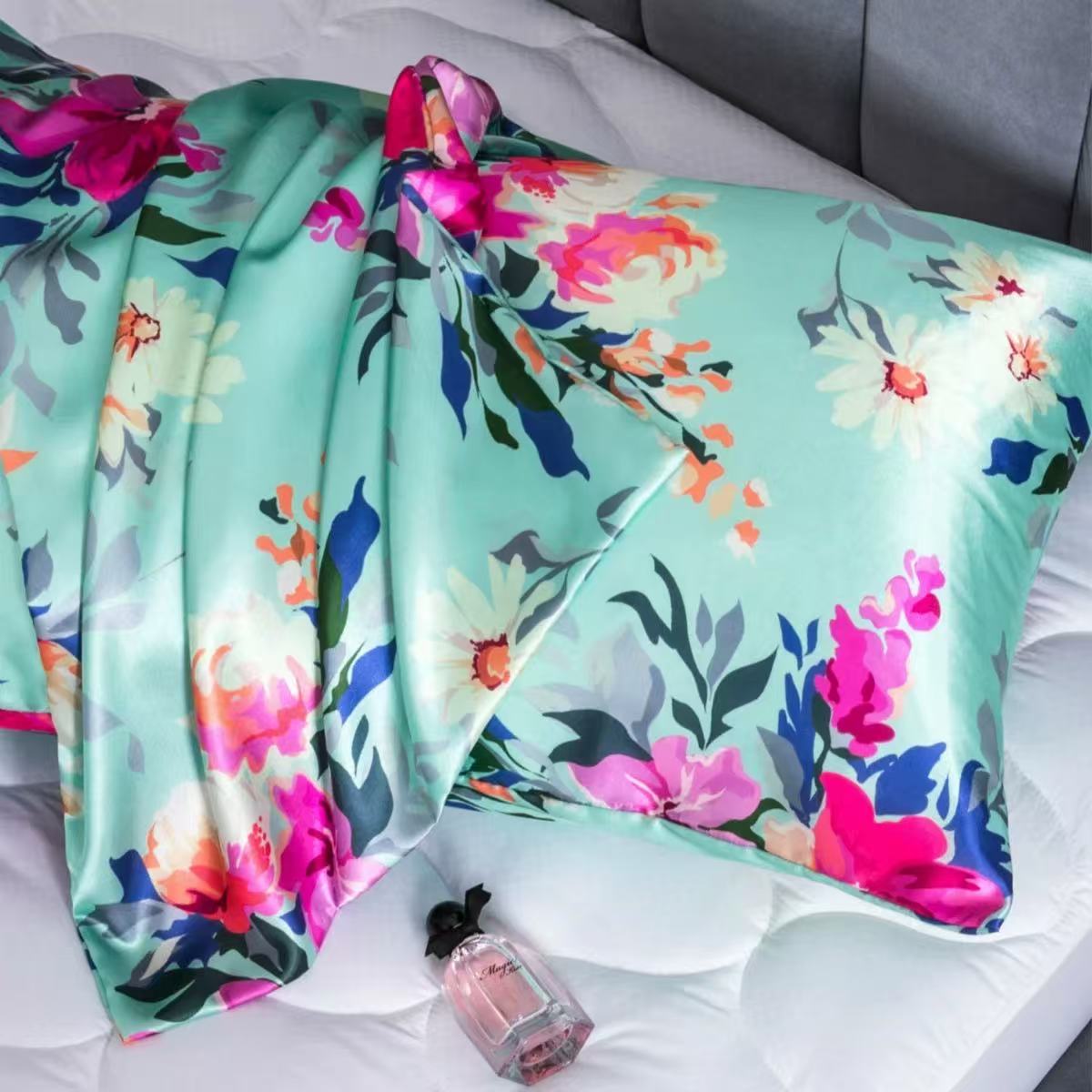
Sublimation printing transforms printed polyester pillowcases wholesale into vibrant, long-lasting works of art. This advanced technique embeds ink directly into the fabric, ensuring durability and vividness. Polyester’s smooth texture enhances print clarity, making it ideal for wholesale purposes. With proper methods, anyone can achieve professional-quality results when they print poly pillowcase.
Key Takeaways
- Pick pure polyester for great sublimation prints. It keeps colors bright and lasting longer.
- Flip your designs and use tape that handles heat. This stops movement while pressing with heat.
- Set the heat press correctly. Use 385°F to 400°F for 45–55 seconds for bold prints.
Choosing the Right Polyester Pillowcase
Importance of 100% Polyester or High-Polyester Blends
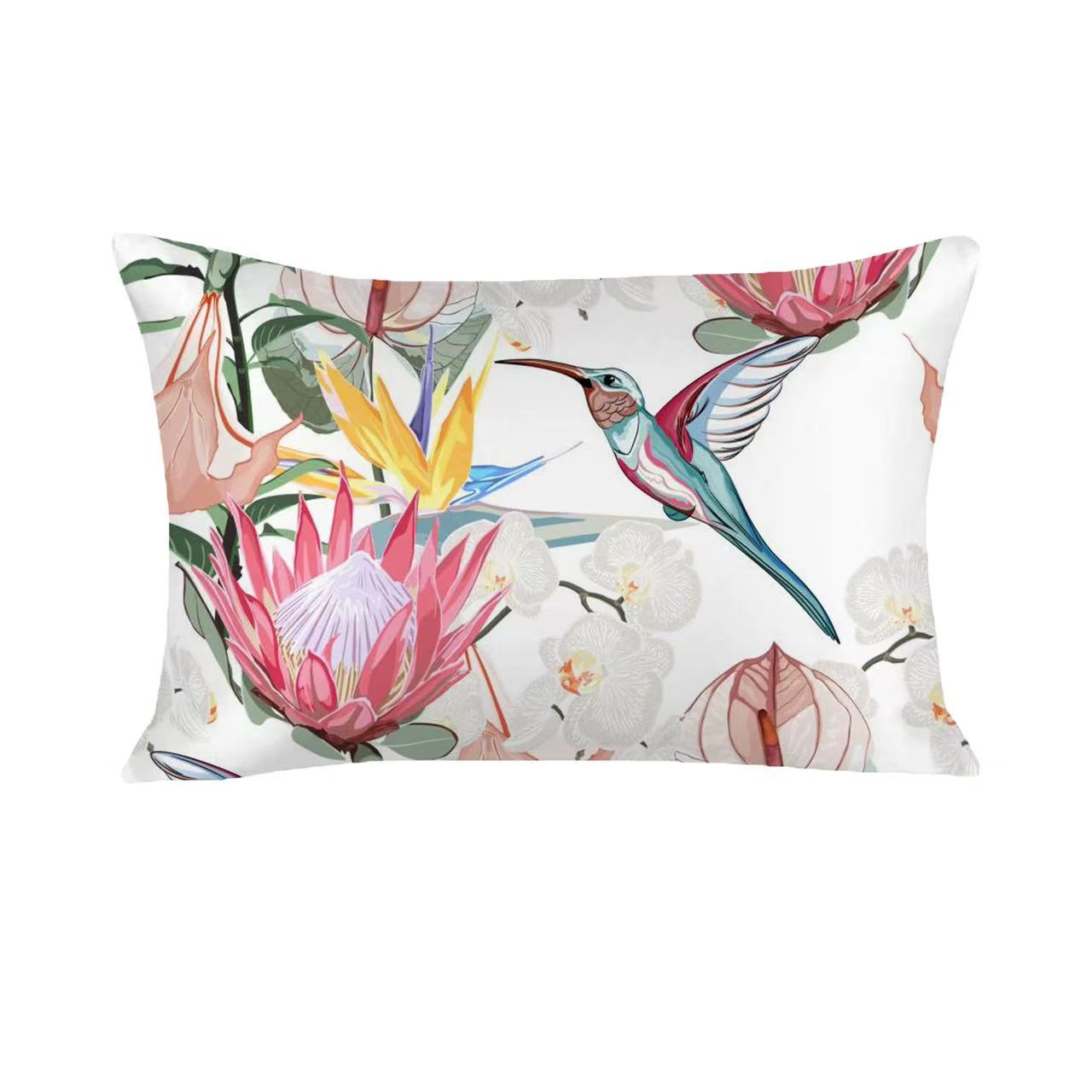
Selecting the right fabric is crucial for achieving flawless sublimation prints. Polyester stands out as the preferred material due to its unique compatibility with the dye sublimation process. Unlike other fabrics, polyester fibers bond with sublimation ink at a molecular level, ensuring vibrant and long-lasting prints.
- 100% polyester offers unmatched results. It locks in colors, creating sharp, fade-resistant designs that remain intact even after repeated washes. The ink becomes a permanent part of the fabric, eliminating issues like cracking or peeling.
- High-polyester blends can also deliver good results, but the vibrancy and durability may decrease as the polyester content lowers. For optimal outcomes, blends with at least 65% polyester are recommended.
This makes 100% polyester the ideal choice for printed polyester pillowcases wholesale, where quality and consistency are essential.
How Fabric Quality Affects Print Results
The quality of the polyester fabric directly impacts the final print. High-quality polyester ensures smooth, even surfaces that allow for precise ink transfer. This results in high-resolution images with incredible color fidelity.
| Feature | Description |
|---|---|
| High-resolution images | Each dot of ink can display a different color, producing sharp and detailed designs. |
| Fade-free prints | Colors embed into the fabric, maintaining vibrancy even after multiple washes. |
| Compatibility with polyester | Sublimation printing works best with polyester, linking fabric quality to print quality. |
Low-quality fabrics may lead to uneven ink absorption, dull colors, or blurry prints. Investing in premium polyester ensures professional-grade results every time.
Preparing Your Design and Printer Settings
Optimizing Designs for Sublimation Printing
Sublimation printing requires designs tailored for polyester materials to achieve vibrant and permanent results. The process transfers ink from paper to fabric using heat, ensuring the ink bonds deeply with polyester fibers. This technique works best with high-polyester content, making it ideal for printed polyester pillowcases wholesale.
To optimize designs:
- Create a mirrored image: Flip the design horizontally before printing to ensure proper orientation during transfer.
- Use heat-resistant tape: Secure the sublimation paper to the pillowcase to prevent shifting during the heat press process.
- Include butcher paper: Place butcher paper between the fabric and heat press to absorb excess ink and protect equipment.
- Adjust paper settings: Customize printer settings based on the substrate type for precise results.
- Utilize ICC profiles: ICC profiles improve color accuracy, ensuring consistent and vibrant prints.
Selecting Sublimation Ink and Transfer Paper
Choosing the right ink and transfer paper significantly impacts print quality. Sublimation ink must be compatible with the printer and polyester fabric to produce sharp and vivid designs. Transfer paper plays a crucial role in ink absorption and release during the heat press process.
| Key Factors | Description |
|---|---|
| Printer Compatibility | Ensure the sublimation paper matches the printer and ink for optimal results. |
| Transfer Efficiency | Heavier papers often provide better saturation and vibrant prints. |
| Color Vibrancy | The ink-paper combination determines the brightness and sharpness of the final print. |
| Cost-Performance Balance | Evaluate the cost against performance to make informed choices. |
For best results, use A-SUB sublimation paper with a weight of 110-120 gsm. Lighter paper works well for curved surfaces like tumblers, while heavier paper ensures smooth designs on flat items like pillowcases.
Adjusting Printer Settings for Vibrant Prints
Printer settings directly influence the quality of sublimation prints. Adjusting these settings ensures accurate color reproduction and sharpness.
To enhance print quality:
- Select the highest quality print settings to avoid grainy or faded designs.
- Avoid using Fast Draft or High-Speed options, as they compromise detail and vibrancy.
- Manually adjust brightness, contrast, saturation, and individual color hues for precise color correction.
- Match heat press time and temperature to the substrate and ink for optimal transfer quality.
By fine-tuning these settings, users can achieve professional-grade prints that stand out in wholesale markets.
Mastering Heat Press Techniques
Correct Temperature, Pressure, and Timing
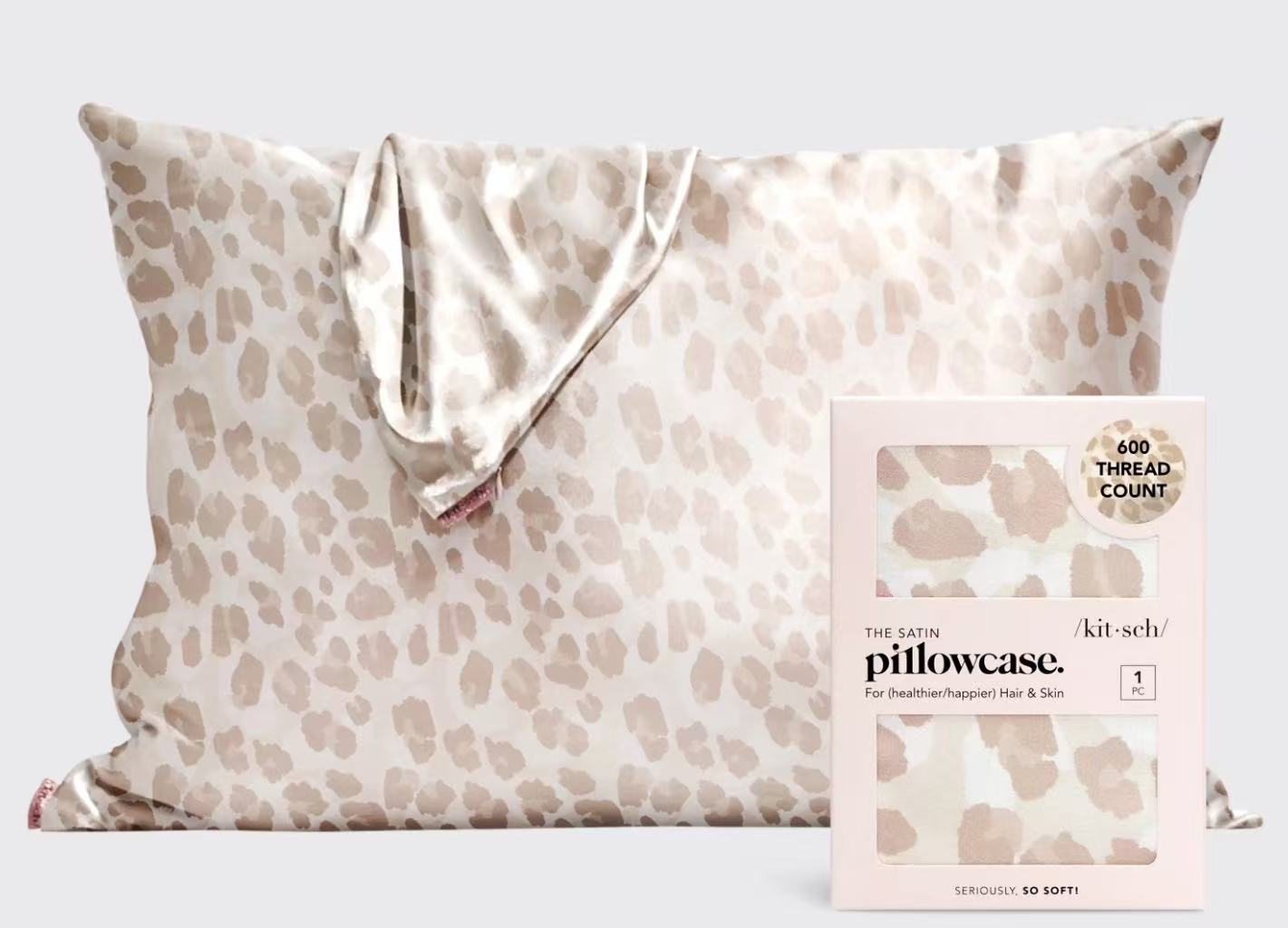
Achieving flawless sublimation prints requires precise control of temperature, pressure, and timing during the heat press process. Each substrate demands specific settings to ensure optimal ink transfer and durability. For polyester pillowcases, maintaining a temperature between 385°F and 400°F for 45 to 55 seconds yields vibrant and long-lasting results.
| Items | Temperature (F) | Time (Seconds) |
|---|---|---|
| Cotton & Polyester T-shirts | 385-400 | 45-55 |
| Ceramic Mugs | 360-400 | 180-240 |
| Stainless Steel Tumblers | 350-365 | 60-90 |
| Neoprene | 330-350 | 30-40 |
| Glass | 320-375 | 300-450 |
Pressure plays an equally critical role. Applying firm, even pressure ensures the ink bonds deeply with the polyester fibers, preventing uneven prints. Adjusting these settings based on the substrate guarantees professional-quality results for printed polyester pillowcases wholesale.
Using Heat-Resistant Tape and Protective Sheets
Heat-resistant tape and protective sheets are indispensable tools for consistent sublimation printing. These materials prevent common issues like ink smudging and equipment contamination.
- Heat-resistant tape secures the sublimation paper to the pillowcase, eliminating movement during pressing.
- Protective sheets, such as uncoated butcher paper, absorb excess ink vapor and shield nearby surfaces from contamination.
- Teflon covers for heat presses maintain clean equipment and prevent ink buildup, ensuring smooth transfers.
Using these tools enhances efficiency and ensures vibrant, flawless prints every time.
Tip: Always use protective sheets to safeguard your heat press and maintain consistent results.
Preventing Ghosting and Uneven Transfers
Ghosting and uneven transfers can ruin sublimation prints. Ghosting occurs when the transfer paper shifts during pressing, creating double images or faded areas. Securing the paper with heat-resistant tape prevents movement and ensures precise ink transfer.
Uneven transfers often result from inconsistent pressure or heat distribution. Adjusting the heat press settings and using a flat, smooth surface minimizes these issues. For large solid designs, printing heavier forms first and lighter ones on the backup side reduces gloss-related ghosting.
By addressing these challenges, users can achieve sharp, professional-quality prints on polyester pillowcases.
Avoiding Common Mistakes
Identifying and Fixing Ghosting Issues
Ghosting remains one of the most common challenges in sublimation printing. It occurs when the transfer paper shifts during the heat press process, leading to double images or faded areas. To prevent ghosting:
- Secure the transfer paper with heat-resistant tape to keep it stationary.
- Allow the transfer paper to cool completely before removing it.
- Detach the paper vertically in one smooth motion to avoid smudging.
These steps ensure precise ink transfer and eliminate ghosting, resulting in sharp and vibrant prints.
Ensuring Even Heat Distribution
Uneven heat distribution can compromise the quality of sublimation prints. Manufacturers recommend calibrating the heat press to maintain consistent pressure across the surface. Proper preparation of materials also plays a critical role:
- Preheat polyester blanks for 10 seconds to remove moisture.
- Use accessories like butcher paper and heat-resistant tape to ensure uniform ink transfer.
- Increase pressure if uneven transfers occur, as consistent pressure is vital for flawless results.
By targeting heat to specific areas and ensuring the substrate is polyester or polymer-coated, users can achieve clear and vibrant prints on items like printed polyester pillowcases wholesale.
Troubleshooting Faded or Blurry Prints
Faded or blurry prints often stem from incorrect heat press settings or uneven pressure. Monitoring these settings and adjusting them as needed can resolve most issues. Additional troubleshooting techniques include:
- Checking ink levels to ensure sufficient saturation.
- Verifying heat press temperature and timing to match the substrate requirements.
- Inspecting the pressure applied during the transfer process to avoid uneven results.
These steps help maintain print quality and ensure professional-grade designs every time.
Ensuring Longevity of Prints
Proper Washing and Care Instructions
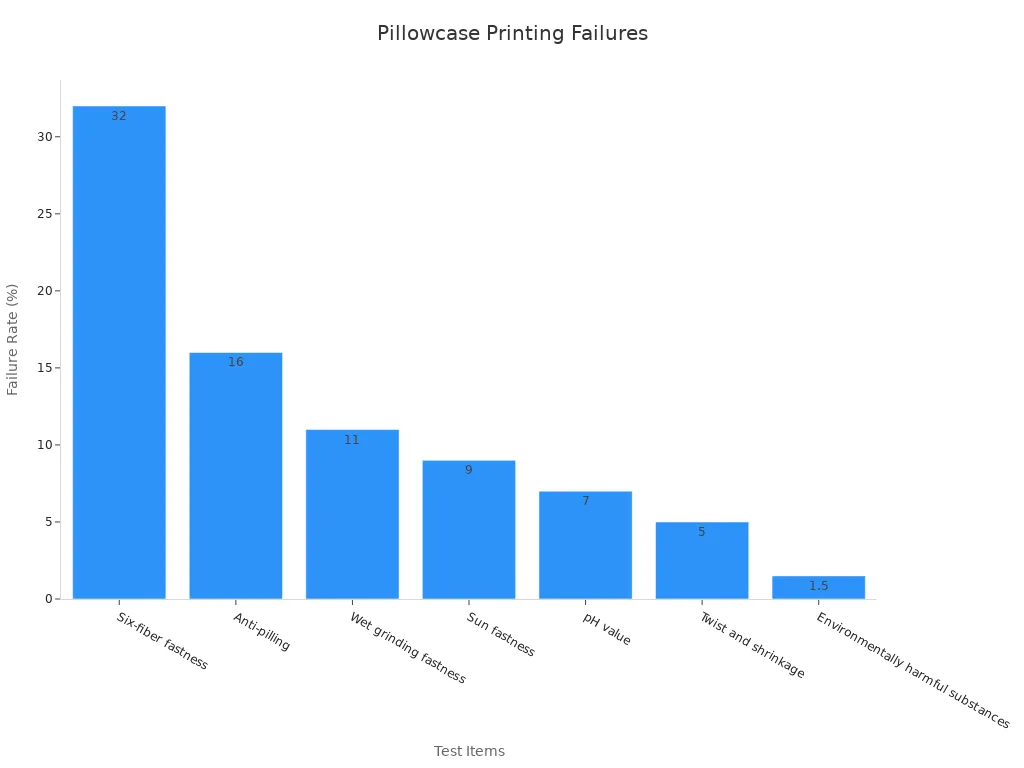
Proper care ensures that sublimation prints on polyester pillowcases remain vibrant and durable. Following specific washing and drying guidelines can significantly extend the life of these prints.
- Wash pillowcases in cold or lukewarm water using a mild detergent. Avoid bleach or harsh chemicals, as they can weaken the fabric and fade the design.
- Turn the pillowcases inside out before washing to protect the printed surface from friction.
- Use a gentle cycle to minimize stress on the fabric.
- Lay the pillowcases flat or hang them to dry in a well-ventilated area. Direct sunlight should be avoided, as it can cause fading over time.
When using a dryer, select the lowest heat setting and remove the pillowcases while they are slightly damp. This prevents shrinking and cracking. For ironing, turn the pillowcases inside out and use a low heat setting to avoid damaging the print.
Tip: Gently squeeze out excess water instead of wringing the fabric to maintain the integrity of the design.
Maintaining Vibrancy Over Time
Sublimation prints on polyester pillowcases are known for their durability and resistance to fading, peeling, or cracking. The dye embeds into the fabric, making these prints ideal for frequently used items like printed polyester pillowcases wholesale. However, proper storage and handling are essential to maintain their vibrancy.
- Store pillowcases in cool, dry environments to prevent damage from humidity or temperature fluctuations.
- Use acid-free storage materials to protect the prints from dust and handling damage.
- Avoid stacking heavy items on top of the pillowcases to prevent creasing or distortion of the fabric.
Organizing pillowcases on supportive shelving or in protective bins keeps them dust-free and ready for use. These best practices ensure that sublimation prints retain their bright colors and professional appearance over time.
Note: Cool storage below 50°F with minimal temperature changes is ideal for preserving the quality of sublimation prints.
Sublimation printing delivers vibrant, durable designs on polyester pillowcases by embedding ink directly into the fabric. This process ensures waterproof, fade-resistant graphics that maintain their brilliance over time. By following the five secrets—selecting quality materials, optimizing designs, mastering heat press techniques, avoiding errors, and ensuring proper care—anyone can achieve professional results. These tips are invaluable for creating stunning designs, whether for personal use or printed polyester pillowcases wholesale.
FAQ
What is the best temperature for sublimation printing on polyester pillowcases?
The ideal temperature for sublimation printing on polyester pillowcases ranges from 385°F to 400°F. This ensures vibrant colors and proper ink bonding with the fabric.
Can sublimation prints fade over time?
Sublimation prints resist fading when cared for properly. Washing in cold water, avoiding harsh chemicals, and storing in cool, dry conditions help maintain their vibrancy for years.
Why does ghosting occur during sublimation printing?
Ghosting happens when the transfer paper shifts during heat pressing. Securing the paper with heat-resistant tape and ensuring even pressure prevents this issue effectively.
Tip: Always let the transfer paper cool before removing it to avoid smudging.
Post time: Jun-03-2025