
Specify 6A raw silk when the grade is part of the brand promise or a controlled trial shows it helps the mill meet a demanding appearance requirement. A verified lower grade can be an acceptable input when the purchase order permits it and production samples meet the same finished-product requirements. The sourcing decision comes down to what the supplier can trace to the raw-silk lot and what your team can verify on the finished SKU.
At a glance
- Require the grading standard, edition, declared grade, and lot ID before accepting a 6A claim.
- Compare competing silk grades using the same fabric weight, weave, finish, shade, and sewn construction.
- Assess price differences against accepted production yield and reorder consistency using quotes on the same commercial terms.
- Release bulk silk goods against a traceable material record and finished-SKU tests that match the brand’s care instructions.
Two quotes for the same silk pillowcase land on your desk
Consider a buyer ordering a solid-color mulberry silk pillowcase with a concealed zipper. Quote A says “6A,” has a higher unit price, and attaches a pillowcase test report. Quote B names a lower raw-silk grade and offers to tie each production roll to a raw-silk batch. The first approval question is whether the brand has committed to 6A. If it has, Quote A still needs lot-level proof and Quote B would require a change to the agreed claim. If the brand has specified the finished product without a grade promise, both options can go through the same trial once their evidence is in place.
On a silk purchase order, write 6A as a raw-material specification tied to a named grading standard and lot. China’s national standards portal lists GB/T 1797-2008 for raw silk. Under that framework, 6A and grades such as 5A and 4A describe reeled raw silk before weaving and finishing. The grade is distinct from fiber composition and from momme, a measure of fabric weight per unit area. A single spec line that mixes all three makes it difficult to tell which substitution the supplier is asking you to approve.
A raw-silk grade can reduce variation in the input, while weaving and finishing still determine how that input appears in the finished fabric. Evenness describes how consistently the yarn holds its size along its length. When yarn size varies, adjacent sections of a plain, lustrous fabric can reflect light differently. Loom tension, dyeing, and finishing can also produce visible streaks or shade differences. Give the mill a marked sample or roll location when a fault appears so it can investigate the cause. For buyers specifying defect and evenness measurements, ISO 15625:2014 describes an electronic test method for raw silk. A method reference alone is insufficient to establish a grade or a result for your lot.
What changes when sourcing 6A grade silk vs lower grades?
Make 6A mandatory when the approved brand claim requires it or a matched production trial demonstrates an advantage the buyer needs. A premium solid-color launch is a reasonable candidate for a trial because broad uninterrupted areas make streaks easy to inspect. For programs with no raw-grade claim, a documented lower grade is a viable candidate when its trial meets the agreed fabric, sewn-product, and reorder requirements. It is the approved evidence from those runs that earns the purchase order.
| Decision point | Documented 6A option | Documented lower-grade option |
|---|---|---|
| Brand claim | Eligible for a 6A material claim if the standard, tested lot, and shipment trace agree. | Eligible under a grade-neutral spec or a claim that reflects the actual approved grade. |
| Visual appearance | Worth trying on a smooth solid fabric with a tight surface appearance requirement. | Can qualify against the same defect and shade criteria on representative rolls. |
| Wash and seam performance | Requires testing on the sewn, finished SKU under the intended care conditions. | Requires the same tests using the same construction and acceptance thresholds. |
| Economics | Compare any quote premium with pilot yield, rework, and the importance of carrying the claim. | Assess any purchase saving after rejected panels, sorting, and replacement supply are considered. |
| Repeat supply | Confirm how the mill reserves and identifies the grade on reorders. | Lock the approved grade and source conditions so a broad “lower grade” bucket cannot permit silent substitutions. |
Compare cost per accepted unit after the pilot, because a lower quote can lose its advantage when visible defects reduce cutting yield. Ask the mill to record the amount inspected, panels rejected, units reworked, and units accepted, with reasons for rejection. Use the same order quantity, packaging, inspection scope, delivery terms, and treatment of replacements in both quotes. For a brand that sells matching pillowcases separately, also check how much matched shade stock can be held for replenishment. A first run can pass while a separately dyed reorder misses the approved shade.
Which records turn a sample approval into a bulk approval?
Begin with the Wonderful Silk certificate and test report page. It lists documents including a pillowcase SGS test report. Ask for the full report that applies to the order and read the tested sample description, methods, date, and results. Where a label claim is part of the purchase, check the certificate scope and current status with its issuer. OEKO-TEX STANDARD 100, for example, concerns harmful-substance testing for covered articles. A relevant certificate and a raw-silk grading report answer different procurement questions.
Trace a 6A claim from the inspected raw-silk lot to the fabric rolls and shipped SKU before approving labels or bulk production. Ask for the dated grading report with lot identifier, grade and standard. Request the mill’s record linking that lot to the greige fabric, the unfinished woven fabric before dyeing and finishing. Then match the greige roll or batch to its dye or finish lot, cutting records, and finished SKU. The records can be supplied as a reconciled lot list if the identifiers carry through clearly. If multiple raw lots enter one run, each lot used for a grade-specific claim needs corresponding evidence.
Require approval before changing the silk source, declared grade, fabric construction, or critical finish on an existing SKU. In the purchase specification, name who can approve a change, which samples or documents must be submitted, and how to hold affected rolls or units while the review is open. Keep the approved swatch and a sewn reference sample with their revision and lot identifiers. If a supplier proposes a change in the middle of a reorder, that reference gives both teams the same comparison point.
Hold the affected cartons when the lot records disagree
Suppose the fabric invoice says 6A but the grading report refers to a different raw lot from the one named on the loom record. Ask for a corrected mapping supported by the mill’s dated records. If only part of the shipment is affected, have the mill identify the rolls and cartons involved and keep them on hold while you review the evidence. A new copy of the invoice with the same mismatch does little to resolve the claim. Apply your agreed hold or rejection process if the chain cannot be reconstructed.
Put that check before the brand approves printed packaging. At that point, an unresolved label claim can still be corrected without handling finished retail packs. If a hotel program uses plain packaging and specifies performance alone, use the same discrepancy process for any fabric, shade, or finish requirement that the supplier has agreed to control. For the first reorder, compare an early production sample with the retained reference before the mill cuts the full run, especially when the fabric comes from a new dye lot.
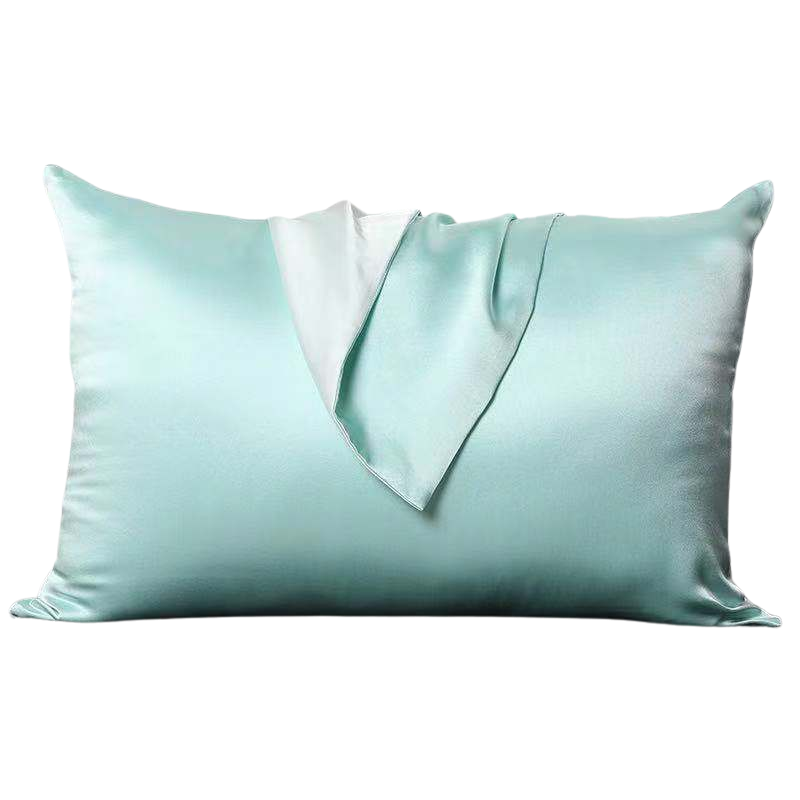
The Wonderful Silk mulberry pillowcase with a concealed zipper is a useful example for a spec review. The listing describes 19 and 22 momme wholesale pillowcases and separately lists material weight options. A buyer requesting the 22 momme version should put that weight and its agreed tolerance on the order, with separate lines for fabric composition, raw-silk grade if required, and finished dimensions. Confirm which closure, thread, and color are covered by the approved sample and any applicable report.
How should a brand run a fair 6A versus lower-grade trial?
Change the raw-silk grade while holding the finished construction constant, so the trial can show whether grade matters for the SKU. Ask both suppliers or mill teams to work to the same weave, yarn size specification, fabric weight target, shade, finish, cut dimensions, and stitching requirements. Document remaining differences, such as a different loom or dyehouse. Where several variables change together, treat the result as a comparison of supplier offers. It cannot isolate the effect of silk grade.
Ask for coded swatches from representative parts of pilot rolls and have the review team compare them under agreed lighting before revealing the grades. Mark streaks, slubs, shade bands, and other visible issues using the same acceptance rules. Keep roll position and dye lot on the inspection record, since a clean swatch from the roll head can miss a problem elsewhere. Review complete pillowcases, including the seam nearest the closure where the layered construction and hardware put extra demands on the fabric.
Test representative finished samples after the intended care cycle because raw-silk grade cannot predict post-wash dimensions, shade change, or seam appearance. Ask the lab to agree both the wash procedure and the pass criteria with your team. ISO 5077 gives a method for measuring dimensional change after specified washing and drying. ISO 105-C06 addresses colorfastness to domestic and commercial laundering under its method. For hospitality use, verify the finished article on the actual laundry program the property intends to use, including its detergent and drying settings. Clear the care protocol with the property’s laundry team before scaling the order.
Approve a silk sourcing option against written release criteria so visual preferences can be applied consistently during repeat inspection. State the defect types and locations that will trigger rejection, especially on the exposed face and near the closure. Agree the reference shade, inspection conditions, and who decides whether borderline rolls can be used. Those details make a pilot result useful on an actual shipment.
In the example, if the coded lower-grade pilot meets the visual and wash targets and the second lot holds the approved shade, a brand with a grade-neutral spec has grounds to buy it. If 6A is on the pack, keep the grade requirement and qualify the traceable 6A lot against those same tests. If both pilots fail at the zipper seam, correct the construction and repeat the test before treating a change in raw grade as the remedy.
Frequently asked questions
Is 6A the same as 22 momme?
No. A 6A designation refers to the raw-silk grade under the stated grading scheme, while 22 momme specifies fabric weight. Write them as separate fields and agree how the mill will verify both.
Can a documented 5A raw silk make an acceptable pillowcase?
It can if the purchase specification permits that grade and finished samples meet the brand’s appearance, construction, and care tests. If 6A is an agreed material or labeling claim, the lower grade requires a formal change and a corresponding update to the claim.
Does an SGS report prove the raw silk was 6A?
It depends on what was tested and reported. A finished pillowcase report establishes only the results for the sample and methods identified in it. Ask for the grading report and a traceable link to the raw-silk lot used for your SKU.
What should I request before paying a premium for 6A?
Request the raw-silk grading standard, dated lot report, roll traceability, and a production sample made to your finished specification. Compare the quote commercially on the same terms as the alternative and check pilot yield where appearance or rejection risk drives the purchase.
Does a higher raw-silk grade guarantee better performance after laundering?
No. Construction, processing, and the wash procedure affect the finished product. Test the sewn article using the intended care conditions and measure the changes that matter for your SKU.
Can a supplier switch raw-silk lots between reorders?
Yes, if the approved specification and change terms allow it and the new lot meets the same evidence requirements. Require advance approval for the changes your agreement controls, then check the new fabric against the retained shade and finish standard.
Post time: Nov-26-2026