
Are Silk Pajamas Really the Best for Sleeping?
You toss and turn, feeling too hot or too cold in your current pajamas. They bunch up, feel scratchy, and disrupt your sleep. What if the secret to a perfect night’s sleep is the fabric you wear? For many people, silk pajamas are the best choice for sleeping. Their unique combination of breathability, natural temperature regulation, and skin-friendly properties is unmatched by other fabrics. While “best” is subjective, silk offers the most complete package for luxurious comfort and better sleep.
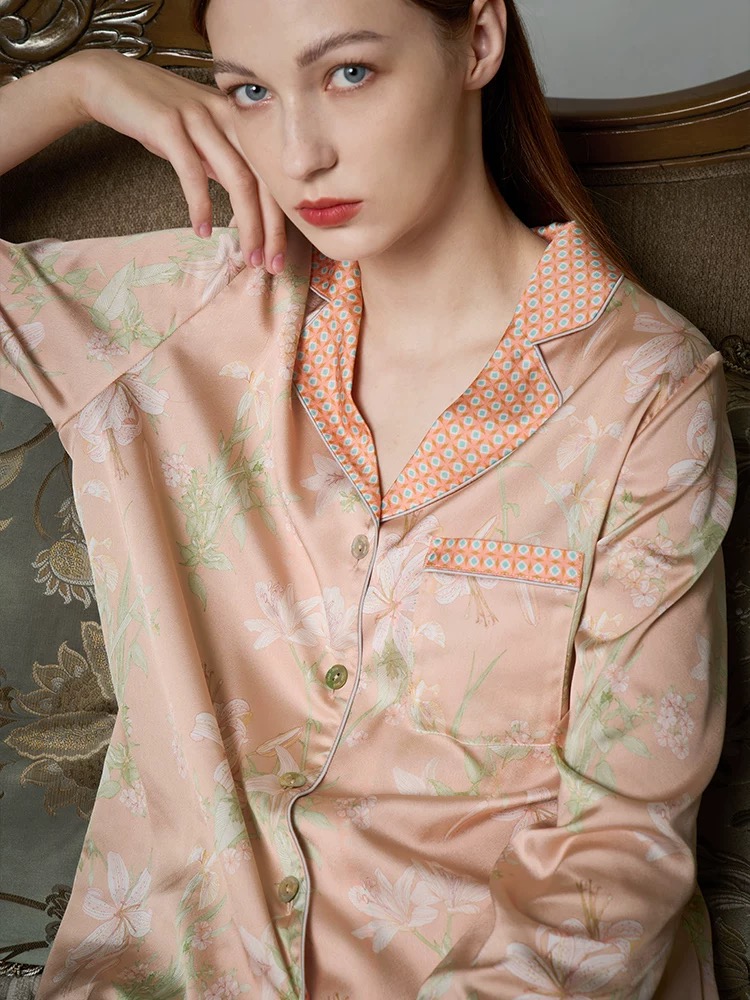
In my 20 years in the silk industry, I’ve seen the “aha!” moment countless times. A customer switches from cotton or synthetics to high-quality silk and can’t believe the difference it makes. They sleep better, feel better, and their skin even looks better. But calling them “the best” isn’t a simple statement. They are the best if you value certain qualities. Let’s compare them directly to other popular choices so you can see why they consistently come out on top.
What makes silk superior to other pajama fabrics?
You’ve tried cotton, flannel, and maybe even polyester satin. They’re okay, but none are perfect. Cotton gets cold when you sweat, and flannel is only good for winter. Isn’t there one fabric that works all year? Silk is superior because it’s an intelligent, natural fiber that actively regulates temperature. It keeps you cool when you’re warm and cozy when you’re cold. It wicks away moisture without feeling damp, unlike cotton, and breathes beautifully, unlike polyester.
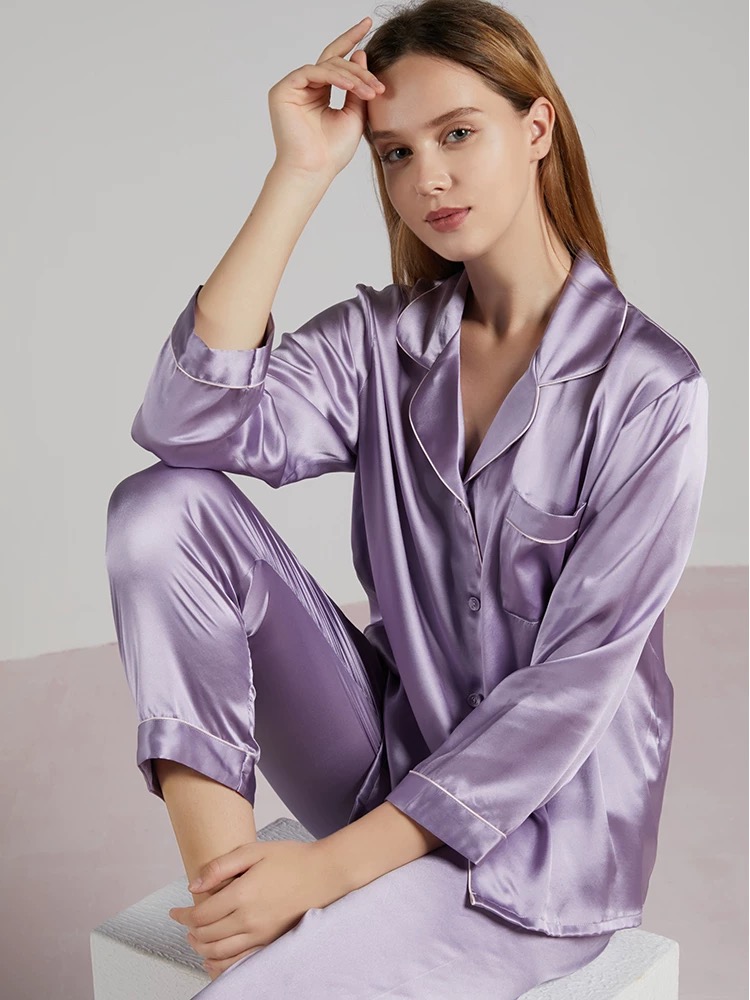
I often explain to new clients that polyester satin looks like silk, but it behaves like a plastic bag. It traps heat and moisture, leading to a sweaty, uncomfortable night. Cotton is a good natural fiber, but it’s a poor performer when it comes to moisture. Once it gets damp, it stays damp and makes you cold. Silk solves both of these problems. It’s the only fabric that works in harmony with your body through every season.
The Fabric Showdown
To truly understand why silk is often considered the best, you have to see it side-by-side with the competition. Each fabric has its place, but silk’s versatility is what sets it apart.
- Silk vs. Cotton: Cotton is breathable and soft, but it’s highly absorbent. If you sweat at night, cotton soaks it up and holds it against your skin, making you feel damp and cold. Silk wicks moisture away and allows it to evaporate, keeping you dry.
- Silk vs. Flannel: Flannel is essentially brushed cotton, making it incredibly warm and cozy. It’s great for the coldest winter nights but is useless for the other nine months of the year. It provides warmth but has very poor temperature regulation, often leading to overheating. Silk provides insulation without trapping excessive heat.
- Silk vs. Polyester Satin: These are the most commonly confused. Polyester satin is cheap and has a shiny look, but it’s a synthetic material made from plastic. It has zero breathability. It’s notorious for making you feel hot and clammy. Real silk is a natural protein that breathes like a second skin.
Feature 100% Mulberry Silk Cotton Polyester Satin Breathability Excellent Very Good None Temp. Regulation Actively Regulates Poor (Absorbs Cold/Heat) Poor (Traps Heat) Moisture Handling Wicks Away, Stays Dry Absorbs, Gets Damp Repels, Feels Clammy Skin Benefits Hypoallergenic, Reduces Friction Can Be Abrasive Can Irritate Skin For year-round comfort and health, silk is the clear winner in every key category.
Are there any downsides to silk pajamas?
You’re convinced silk is amazing, but you see the price tag and hear they’re “high maintenance.” You worry about investing in an expensive garment only to ruin it in the wash. The primary downsides of silk pajamas are the higher initial cost and the need for proper care. Genuine, high-quality silk is an investment, and it cannot be treated like a rugged cotton t-shirt. It requires gentle washing with specific detergents to maintain its integrity.
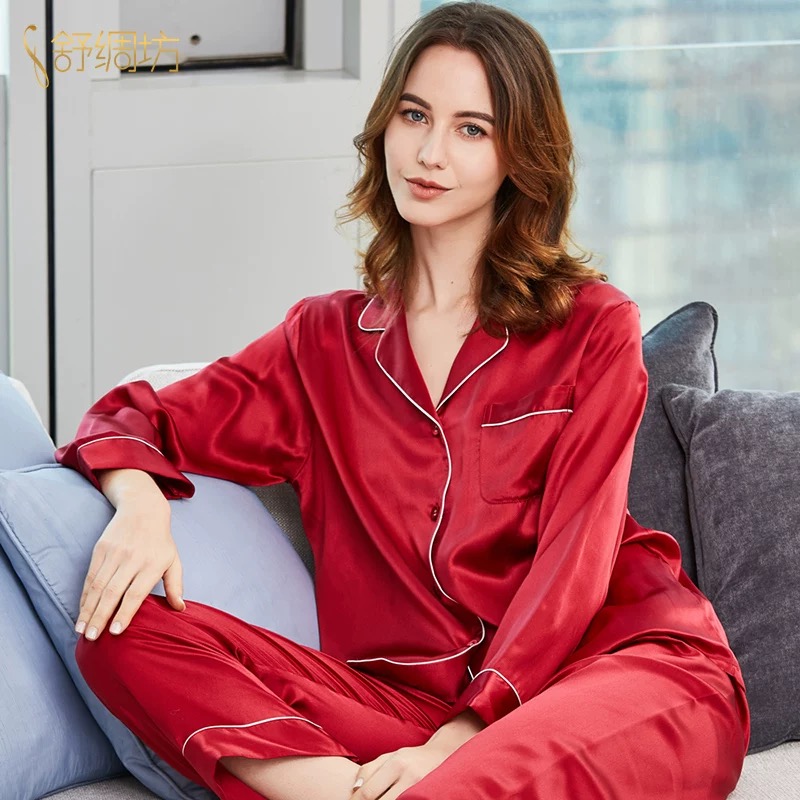
This is a fair and important concern. I am always honest with my clients: silk is not a “set it and forget it” fabric. It’s a luxury material, and like any luxury item—a fine watch or a leather handbag—it requires a bit of attention to keep it in perfect condition. But these downsides are manageable and, for most people, well worth the benefits.
The Price of Luxury
Let’s break down these two hurdles so you can decide if they are deal-breakers for you.
- The Cost Factor: Why is silk so expensive? The production process is incredibly intricate. It involves cultivating silkworms, harvesting their cocoons, and carefully unreeling the single, long thread. High-quality Mulberry silk (Grade 6A) uses only the best, longest fibers, which are more expensive to produce. When you buy silk, you aren’t just buying fabric; you’re buying a complex, natural material. I encourage people to see it as an investment in their sleep quality and skin health, not just a piece of clothing.
- The Care Requirements: You can’t just toss silk in a hot wash with your jeans. It needs to be washed in cold water with a pH-neutral, enzyme-free detergent. While hand washing is always safest, you can machine wash it carefully on a delicate cycle inside a mesh bag. You must also air dry it away from direct sunlight. It’s more effort than other fabrics, but it’s a simple routine once you get used to it.
Downside The Reality My Recommendation Higher Cost It’s a premium, natural fiber with a complex production process. View it as an investment in better sleep and skincare, which pays off over time. Delicate Care Requires cold water, special detergent, and air drying. Create a simple, 10-minute Bwashing routine. The effort is minimal for the reward. For many, these “downsides” are simply the trade-offs for unparalleled comfort.
Conclusion
Silk pajamas are the best choice for anyone prioritizing breathable, temperature-regulating comfort and skin health. While they cost more and need gentle care, the benefits to your sleep are unmatched.
Post time: Nov-26-2025