
Are silk pajamas the best?
Tossing and turning in uncomfortable pajamas? This ruins your sleep and affects your day. Imagine slipping into something that feels like a second skin, promising a perfect night’s rest. Yes, for many, silk pajamas are the best choice. They offer amazing comfort, breathability, and benefits for your skin. Their natural ability to regulate temperature makes them perfect for year-round wear, leading to much better sleep quality.
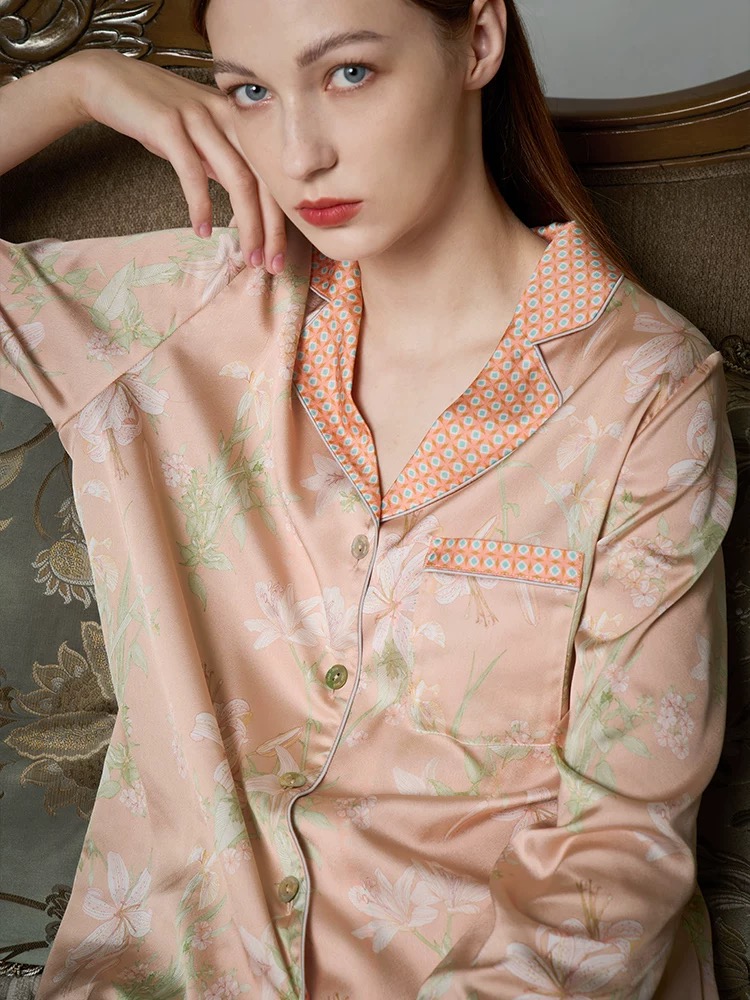
I’ve been in the silk business for nearly 20 years, and I’ve seen countless materials come and go. But silk has a timeless appeal that nothing else can match. People often ask me if the high price is really worth it, or if it’s just about feeling fancy. It’s so much more than that. The way silk interacts with your body and improves your sleep is truly unique. Let’s dive into some of the common questions I get and I’ll explain exactly what makes silk stand out from the rest.
Why are silk pajamas so expensive?
Want the luxury of silk but the price tag gives you pause? It makes you second-guess if the investment is truly worth it. Here’s why you are paying for quality. Silk pajamas are expensive because of the complex process of harvesting silk from silkworms and the skilled labor needed to weave the fabric. The material’s grade, durability, and natural benefits justify the cost, making it a true luxury investment.
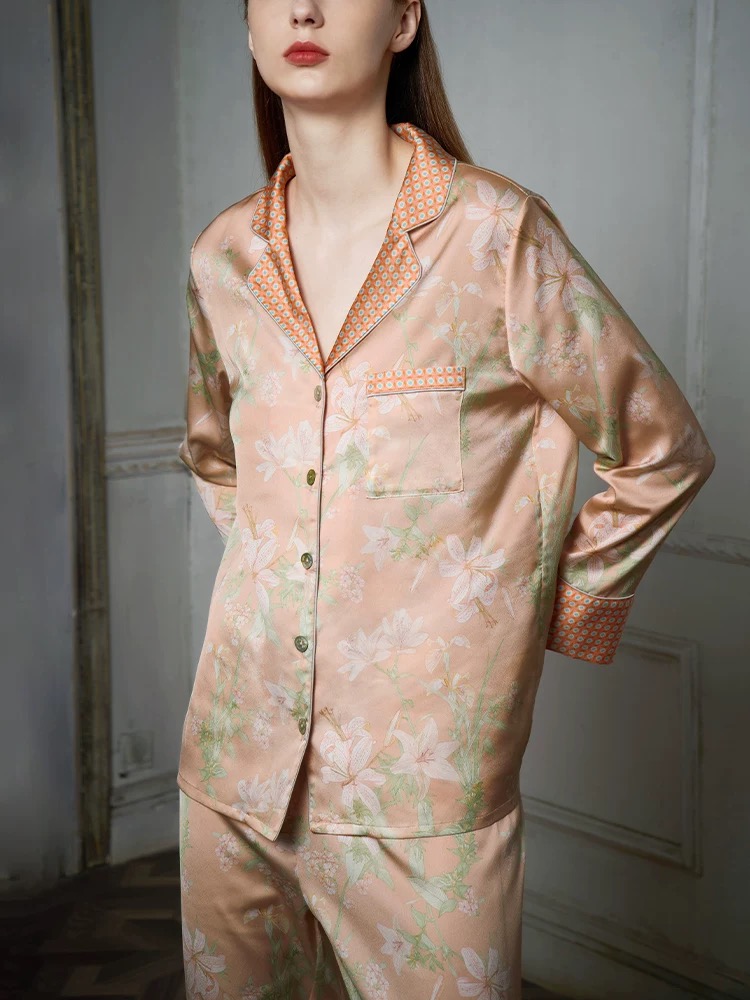
I remember my first visit to a silk farm years ago. Seeing the entire process firsthand showed me why we value this material so much. It isn’t made in a factory like cotton or polyester; it’s a delicate, natural process that requires incredible care and expertise. You are not just buying pajamas; you are buying a piece of craftsmanship.
The Silkworm and Cocoon Journey
The whole process begins with tiny silkworms. They eat mulberry leaves exclusively for weeks. Then they spin a single, continuous thread of raw silk to form a cocoon around themselves. This one thread can be up to a mile long. To get this thread, the cocoons are carefully unwound. This is a very delicate job that must be done by hand to avoid breaking the fragile filament. It takes thousands of cocoons just to make enough fabric for one pair of pajamas. This intensive labor right at the start is a major factor in the cost.
From Thread to Fabric
Once the threads are collected, they are woven into the beautiful charmeuse or crepe de chine fabric we use for sleepwear. This requires skilled weavers who know how to handle the slick, delicate threads. The quality of the weave determines the fabric’s feel and durability. We use high-grade silk, measured in ‘momme’ weight.
| Feature | Mulberry Silk | Cotton | Polyester |
|---|---|---|---|
| Source | Silkworm Cocoons | Cotton Plant | Petroleum |
| Harvesting | Manual, delicate | Machine, intensive | Chemical process |
| Feel | Extremely smooth, soft | Soft, can be rough | Can be smooth or rough |
| Production Cost | High | Low | Very Low |
| As you can see, the journey from a tiny cocoon to a finished garment is long and requires a great deal of human skill. This is why silk feels so special and why it comes at a premium price. |
What makes silk so good for your skin and sleep?
Do your current pajamas irritate your skin? Or do they make you feel too hot or cold during the night? There’s a natural material that can help with both issues. Silk is great for skin and sleep because it’s naturally hypoallergenic and contains amino acids that help soothe and hydrate the skin. It’s also breathable and moisture-wicking, which regulates your body temperature for uninterrupted rest.

Over the years, many of my clients with skin conditions like eczema have told me that switching to silk pajamas made a huge difference. It’s not just a feeling; there is science behind why silk is so beneficial. It works with your body, not against it, creating the perfect environment for deep, restorative sleep.
The Best for Temperature Control
One of silk’s most amazing properties is its ability to regulate temperature. As a natural protein fiber, it’s a fantastic insulator. When you’re cold, the fabric’s structure traps air between the threads, which helps hold in your body heat. When you’re hot, silk is highly breathable and can wick moisture away from your skin, keeping you cool and dry. This means you won’t wake up sweaty or shivering. Your body can just focus on sleeping.
A Natural Friend to Your Skin
Silk is made of proteins, mainly fibroin and sericin. These contain amino acids that are very beneficial for your skin. They help your skin retain moisture, which prevents it from drying out overnight. This is why people say they wake up with softer, more hydrated skin after sleeping in silk. And because the fabric is so smooth, there’s very little friction. This reduces irritation on sensitive skin. Here’s a simple breakdown of its key benefits:
| Benefit | How it Works | Result |
|---|---|---|
| Hypoallergenic | Naturally resistant to dust mites, mold, and fungus. | Fewer allergens, better for asthma or allergies. |
| Hydrating | Doesn’t absorb moisture like cotton. | Your skin and hair stay hydrated. |
| Non-Irritating | The long, smooth fibers don’t catch or rub the skin. | Reduces skin irritation and “sleep creases”. |
| Breathable | Allows for air circulation. | Keeps you cool and comfortable all night. |
| This combination of properties makes silk an ideal material to have next to your skin for eight hours every night. It actively helps you get better rest. |
How do you wash silk pajamas without ruining them?
Worried about damaging your new, expensive silk pajamas in the wash? A wrong move can ruin the fabric’s look and feel. But proper care is actually quite simple. To wash silk pajamas safely, hand wash them in cool water with a gentle, pH-neutral detergent made for delicates. Avoid twisting or wringing them. Gently squeeze out excess water, then lay them flat to dry away from direct sunlight.
I always tell my customers that caring for silk is easier than they think. You just have to be gentle. Think of it like washing your own hair—you wouldn’t use harsh chemicals or rough towels. The same logic applies to this delicate natural fiber. Proper care will ensure your pajamas last for years, making them a truly worthwhile investment.
Simple Steps for Hand Washing
Hand washing is always the safest method. Machine washing, even on a delicate cycle, can be too rough and cause the fine threads to snag or break over time.
- Prepare the Wash: Fill a clean basin with cool or cold water. Warm or hot water can damage the fibers and cause them to lose their shine. Add a small amount of pH-neutral liquid detergent. I always recommend one specifically designed for silk or wool.
- Soak Briefly: Place your pajamas in the water and let them soak for just a few minutes, maybe five at most. Don’t leave them soaking for too long. Gently swish the garment around in the water.
- Rinse Thoroughly: Drain the soapy water and refill the basin with cool, clean water. Rinse the pajamas until all the soap is gone. You can add a few tablespoons of distilled white vinegar to the final rinse to help remove any soap residue and restore the fabric’s natural luster.
- Remove Excess Water: Gently squeeze the water out. Never, ever wring or twist the fabric, as this can break the delicate fibers and permanently wrinkle the garment. A good trick is to lay the pajamas flat on a clean, thick towel, roll the towel up, and press gently.
Drying and Storing
Drying is just as important as washing. Never put silk pajamas in a machine dryer. The high heat will destroy the fabric. Instead, lay them flat on a drying rack or on a clean, dry towel. Keep them away from direct sunlight or heat, as this can cause the color to fade and weaken the fibers. Once dry, you can lightly steam or iron on the lowest heat setting on the reverse side. Proper storage in a cool, dry place will keep them looking beautiful.
Conclusion
So, are silk pajamas the best? For unmatched comfort, skin benefits, and a luxurious night’s sleep, I believe the answer is a clear yes. They are a worthwhile investment.
Post time: Nov-20-2025