
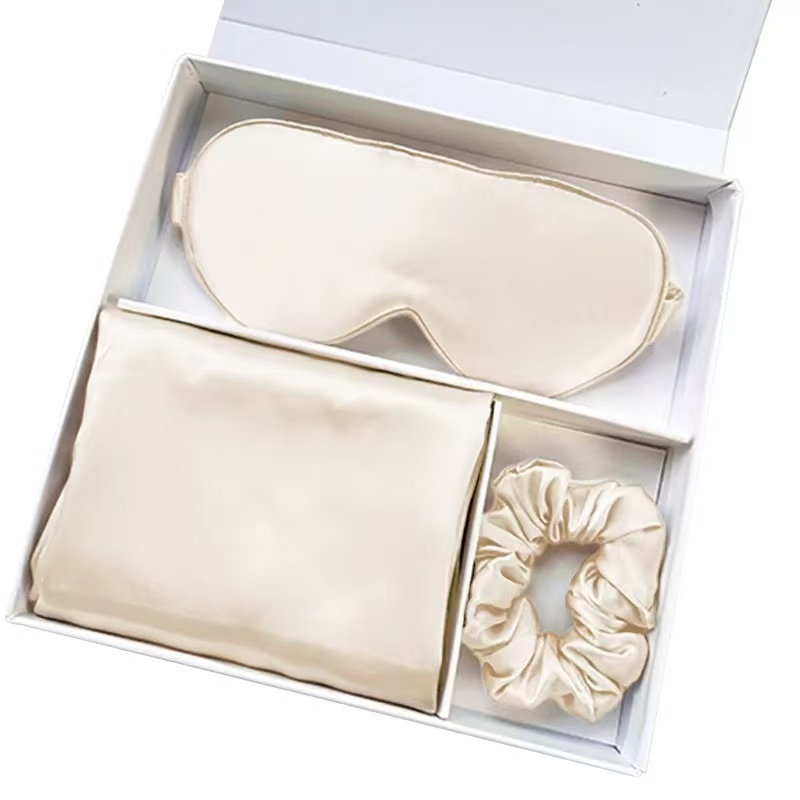
Momme silk grade measures the weight and density of silk fabric, directly reflecting its quality and durability. High-quality silk, such as a silk mulberry pillowcase, reduces friction, preventing hair breakage and maintaining smooth skin. Choosing the right Momme grade ensures optimal benefits for personal use, whether it’s a silk pillowcase or other silk products, enhancing both comfort and care.
Key Takeaways
- Momme silk grade shows how heavy and thick the silk is. It affects how strong and good the silk is. Higher grades are better for your skin and hair.
- For pillowcases, a momme grade of 19-22 works best. It is soft but strong, helping to stop hair damage and keep skin moist.
- Check for OEKO-TEX certification when buying silk items. This means they don’t have bad chemicals and are safe for your skin.
Understanding Momme Silk Grade
What is Momme weight?
Momme weight, often abbreviated as “mm,” is a unit of measurement used to determine the density and weight of silk fabric. Unlike thread count, which is commonly associated with cotton, momme weight provides a more accurate representation of silk quality. It measures the weight of a piece of silk fabric that is 100 yards long and 45 inches wide. For instance, a 19-momme silk fabric weighs 19 pounds under these dimensions. This metric allows manufacturers and consumers to assess the fabric’s durability, texture, and overall quality.
A comparison between momme weight and thread count highlights their differences:
| Momme Weight | Thread Count |
|---|---|
| Measures silk density | Measures cotton fiber per inch |
| Easy to measure | Difficult to count silk threads |
| More accurate measure | Does not determine silk quality |
Understanding momme weight is essential for selecting silk products that meet specific needs. Higher momme weights typically indicate thicker, more durable silk, while lower weights are lighter and more delicate.
Common Momme grades and their uses
Silk fabrics come in various momme grades, each suited for different applications. The most common momme grades range from 6 to 30, with each grade offering unique characteristics:
- 6-12 Momme: Lightweight and sheer, often used for delicate scarves or decorative items.
- 13-19 Momme: Medium weight, ideal for clothing such as blouses and dresses. These grades balance durability and softness.
- 20-25 Momme: Heavier and more luxurious, frequently used for pillowcases, bedding, and high-end garments.
- 26-30 Momme: The heaviest and most durable, perfect for premium bedding and upholstery.
Choosing the right momme silk grade depends on the intended use. For example, a 22-momme silk pillowcase offers a balance of softness and durability, making it a popular choice for skin and hair care.
How Momme grade affects silk quality and durability
The momme grade significantly influences the quality and longevity of silk products. Higher momme grades result in denser fabrics, which are less prone to wear and tear. They also provide better insulation and a smoother texture, enhancing the overall user experience. However, higher momme grades may reduce the fabric’s hydrophobicity, affecting its ability to repel moisture.
A study examining the relationship between momme values and hydrophobicity levels revealed the following:
| Momme Value | Starting CA (°) | Final CA (°) | Magnitude Change in CA | Hydrophobicity Level |
|---|---|---|---|---|
| Low | 123.97 ± 0.68 | 117.40 ± 1.60 | Significant Change | Strong |
| High | 40.18 ± 3.23 | 0 | Complete Absorption | Weak |
This data indicates that higher momme values correlate with lower hydrophobicity, which can impact the fabric’s durability over time. While high momme silk grades offer superior strength and luxury, they may require more care to maintain their quality.
Benefits of the Right Momme Silk Grade for Skin and Hair
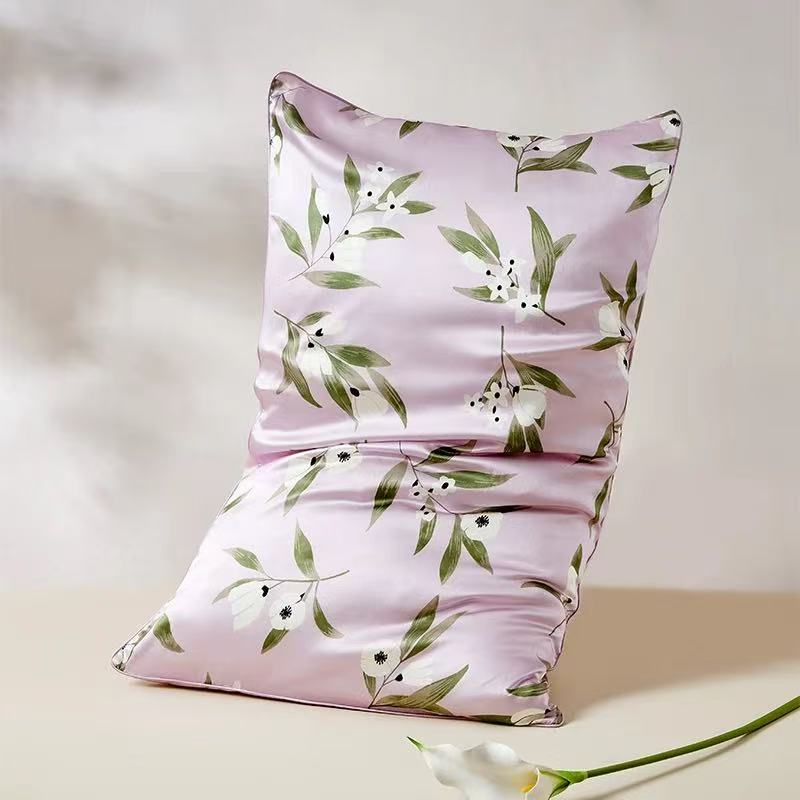
Reducing friction and preventing hair breakage
Silk fabrics with the right momme silk grade create a smooth surface that minimizes friction between hair and fabric. This reduction in friction prevents hair breakage, split ends, and tangling. Unlike cotton, which can tug on hair strands, silk allows hair to glide effortlessly across its surface. This feature makes silk pillowcases a preferred choice for individuals seeking to maintain healthy, shiny hair. A momme silk grade of 19-22 is often recommended for pillowcases, as it provides the ideal balance of softness and durability.
Enhancing skin hydration and reducing wrinkles
Silk’s natural properties help retain skin moisture, making it an excellent choice for individuals with dry or sensitive skin. Unlike absorbent fabrics like cotton, silk does not draw moisture away from the skin. This helps maintain hydration levels, which can reduce the appearance of fine lines and wrinkles over time. Additionally, the smooth texture of silk reduces friction against the skin, preventing creases and irritation. A momme silk grade of 22 or higher is particularly effective for skincare benefits, as it offers a luxurious feel while enhancing durability.
Evidence supporting silk’s benefits for skin and hair
Scientific studies have highlighted silk’s potential benefits for skin health. For instance, research comparing silk-elastin sponges and collagen sponges in wound healing demonstrated silk’s biological effectiveness. The findings suggest that silk-based materials may promote skin repair and hydration.
| Study Title | Focus | Findings |
|---|---|---|
| Comparisons of the effects of silk elastin and collagen sponges on wound healing in murine models | Effectiveness of silk-elastin sponges in wound healing | The study indicates that silk-elastin sponges are effective for burn therapy, which may suggest potential benefits for skin health due to their biological effects. |
This evidence underscores the value of silk products in promoting skin and hair health, particularly when selecting the appropriate momme silk grade for personal use.
Choosing the Best Momme Silk Grade for Your Needs
Considering personal preferences and comfort
Selecting the appropriate Momme silk grade involves understanding personal preferences and comfort levels. Individuals often prioritize different aspects of silk, such as its texture, weight, and feel against the skin. For instance, some may prefer a lighter silk for its airy feel, while others might opt for a heavier grade for its luxurious drape. The tactile experience of silk can significantly influence one’s choice, making it essential to consider how the fabric interacts with the skin and hair. A Momme grade between 19 and 22 typically offers a balance of softness and durability, making it a popular choice for those seeking comfort without compromising on quality.
Balancing budget and quality
Budget considerations play a crucial role in determining the right Momme silk grade. Higher Momme grades often come with a higher price tag due to their increased density and durability. However, investing in a higher Momme grade can prove cost-effective in the long run, as these fabrics tend to last longer and maintain their quality over time. Consumers should weigh the initial cost against the potential longevity and benefits of the silk product. A strategic approach involves identifying the primary use of the silk item and aligning it with a suitable Momme grade that fits within the budget. This ensures that one does not sacrifice quality for affordability.
Matching Momme grade to intended use (e.g., pillowcases, bedding, clothing)
The intended use of silk products significantly influences the choice of Momme grade. Different applications require different characteristics from the fabric. For example, pillowcases benefit from a Momme grade between 19 and 25, which balances softness and durability. Lower Momme grades may feel too thin, while those above 30 might feel excessively heavy. Bedding, on the other hand, relies more on the type of silk and weave rather than the Momme grade alone. For luxury bedding, 100% pure silk is recommended to ensure a premium experience.
| Application | Ideal Momme Weight | Notes |
|---|---|---|
| Pillowcases | 19 – 25 | Balances softness and durability; lower than 19 may feel thin, higher than 30 may feel heavy. |
| Bedding | N/A | Quality is influenced by silk type and weave; 100% pure silk is recommended for luxury. |
Clothing requires a different approach, as the Momme grade should align with the garment’s purpose. Lightweight silk, ranging from 13 to 19 Momme, suits blouses and dresses, offering a delicate yet durable fabric. Heavier grades, such as those above 20 Momme, are ideal for garments that require more structure and warmth. By matching the Momme grade to the intended use, consumers can ensure they receive the maximum benefits from their silk products.
Debunking Myths About Momme Silk Grade
Why higher Momme isn’t always better
A common misconception about Momme silk grade is that higher values always equate to better quality. While higher Momme grades, such as 25 or 30, offer increased durability and a luxurious feel, they may not suit every purpose. For instance, heavier silk can feel overly dense for clothing or pillowcases, reducing comfort for some users. Additionally, higher Momme silk tends to lose some of its natural breathability, which can affect its ability to regulate temperature effectively.
For personal care items like pillowcases, a Momme grade of 19-22 often strikes the perfect balance between softness, durability, and breathability. This range provides a smooth texture that benefits skin and hair without feeling excessively heavy. Choosing the right Momme grade depends on the intended use rather than assuming that higher is always better.
Balancing weight, quality, and affordability
Finding the ideal Momme silk grade involves balancing weight, quality, and cost. Silk with a 19 Momme grade is widely recommended for its combination of strength, aesthetic appeal, and affordability. For example, a $20 silk pillowcase made from 19 Momme silk offers excellent benefits, such as reducing frizz, static, and head sweat, while remaining budget-friendly.
Higher Momme grades, though more durable, often come with a significantly higher price tag. Consumers should evaluate their priorities—whether they value longevity, comfort, or cost-effectiveness—and select a grade that aligns with their needs. This approach ensures that they receive the best value without overspending.
Misconceptions about silk certifications and labels
Many consumers mistakenly believe that all silk labeled as “100% silk” or “pure silk” guarantees high quality. However, these labels do not always reflect the Momme grade or the silk’s overall durability. Additionally, some products may lack transparency regarding their manufacturing processes or certifications.
To ensure quality, buyers should look for products with clear Momme ratings and certifications like OEKO-TEX, which verifies that the silk is free from harmful chemicals. These details provide a more accurate representation of the product’s quality and safety, helping consumers make informed decisions.
Comparing and Interpreting Momme Ratings
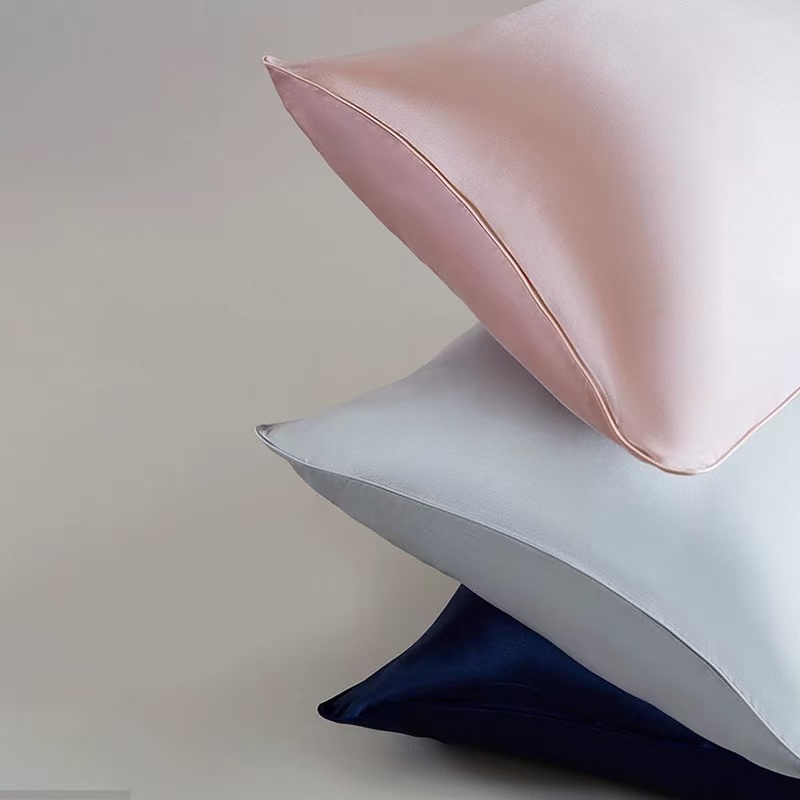
How to read product labels and Momme ratings
Understanding product labels is essential when selecting silk products. Labels often include the Momme rating, which indicates the fabric’s weight and density. A higher Momme rating signifies thicker, more durable silk, while lower ratings indicate lighter, more delicate fabric. For example, a label stating “22 Momme” refers to silk that balances luxury and durability, making it ideal for pillowcases and bedding. Consumers should also check for additional details, such as the type of silk (e.g., mulberry silk) and the weave, as these factors influence the fabric’s quality and feel.
Importance of OEKO-TEX certification
OEKO-TEX certification ensures that silk products meet stringent safety and environmental standards. To achieve this certification, all components of a textile product must pass rigorous testing for harmful substances, such as heavy metals and pesticides. This process guarantees that the silk is safe for consumers and eco-friendly.
| Aspect | Details |
|---|---|
| Purpose and Importance | Ensures consumer safety by protecting against harmful substances and promotes ecological integrity and social responsibility in manufacturing. |
| Testing Criteria | Textiles are tested for harmful substances like heavy metals and pesticides, ensuring compliance with stringent standards, especially for sensitive uses like baby products. |
| Certification Process | Involves thorough analysis of raw materials and production phases, overseen by independent testing institutes, with periodic re-evaluations to maintain compliance with the standards. |
| Benefits | Provides consumers with assurance of quality and safety, helps manufacturers stand out as sustainable leaders, and contributes to environmental health through responsible production methods. |
Products with OEKO-TEX certification offer peace of mind, ensuring they are free from harmful chemicals and produced responsibly.
Identifying high-quality silk products
High-quality silk products exhibit specific characteristics that distinguish them from lower-grade options. Fewer fabric defects, uniform texture, and vibrant patterns indicate superior craftsmanship. Controlled shrinkage after washing ensures the fabric maintains its size and shape. Additionally, compliance with environmental standards, such as OEKO-TEX certification, confirms the absence of harmful chemicals.
| Quality Control Factor | Description |
|---|---|
| Fabric Defects | Fewer defects indicate a higher grade of silk. |
| Processing | Quality of finishing processes affects the final grade; should be soft, uniform, and resistant. |
| Texture and Pattern | Clarity and beauty of printed or patterned silk determine quality. |
| Shrinkage | Controlled shrinkage after washing ensures size stability. |
| Environmental Standards | Compliance with OEKO-TEX Standard 100 indicates no harmful chemicals used in production. |
By examining these factors, consumers can confidently select silk products that meet their expectations for quality and durability.
Understanding momme silk grade is essential for selecting silk products that enhance skin and hair health. For optimal results, choose 19-22 momme for pillowcases or 22+ momme for luxurious bedding. Evaluate personal needs and preferences before purchasing. Explore high-quality silk options to experience the benefits of this timeless fabric.
FAQ
What is the best Momme grade for pillowcases?
A Momme grade of 19-22 offers the ideal balance of softness, durability, and breathability, making it perfect for maintaining healthy skin and hair.
Does silk require special care?
Silk requires gentle washing with mild detergent. Avoid direct sunlight and high heat to preserve its texture and color.
Are all silk products hypoallergenic?
Not all silk products are hypoallergenic. Look for OEKO-TEX-certified silk to ensure it is free from harmful chemicals and allergens.
Post time: May-12-2025