
How can I wash a silk pillowcase[^1] at home?
You love your new silk pillowcase[^1] but are terrified of washing it. Worried you’ll ruin the delicate fabric? It’s actually simple to care for silk at home. To wash a silk pillowcase[^1], hand-wash[^2] it in cool water (under 30°C/86°F) with a pH-neutral detergent[^3]. Alternatively, use a delicate cycle[^4] in your machine with the pillowcase in a mesh bag. Always air dry[^5] it away from
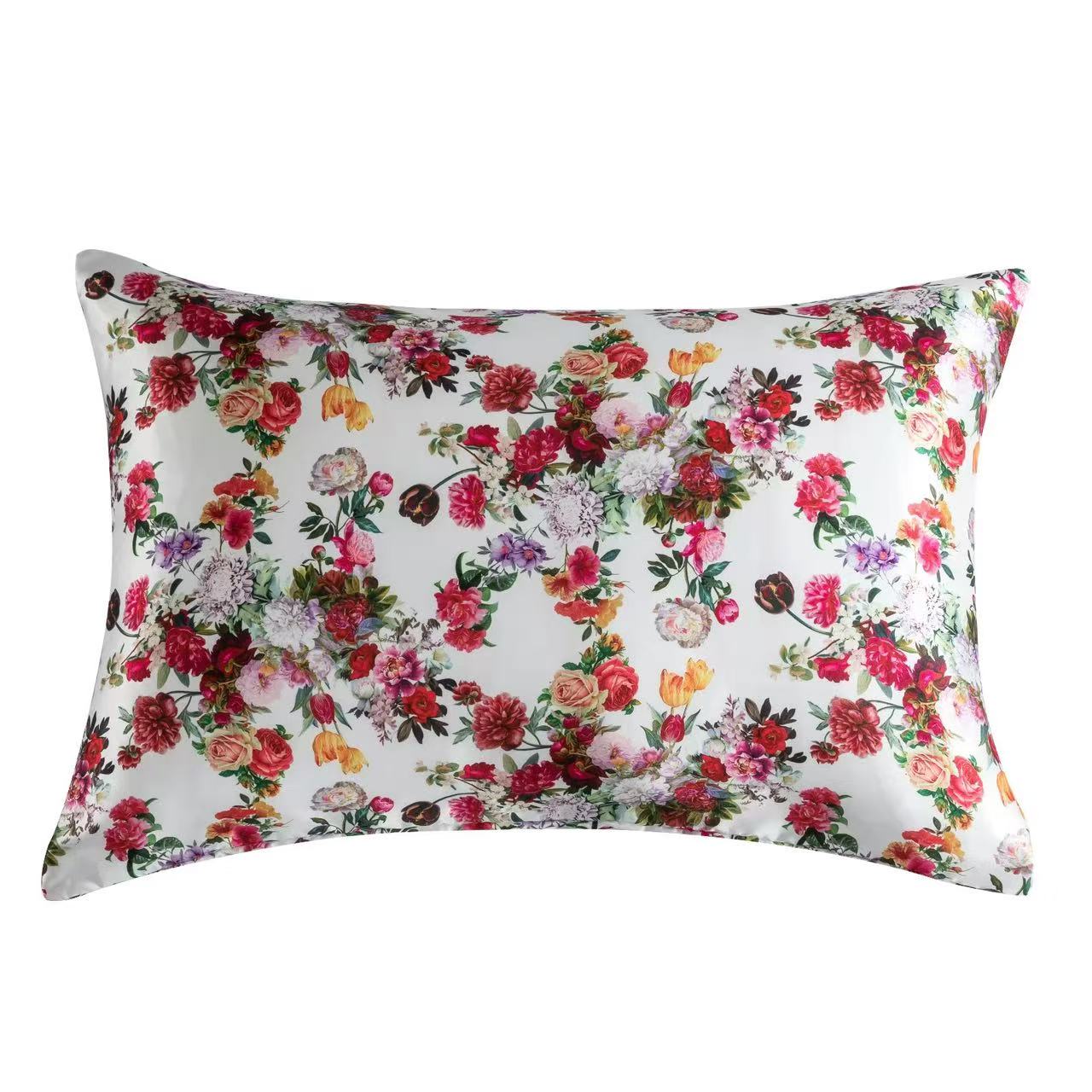
direct sunlight and heat. Over my 20 years in the silk industry, this is one of the most common questions my clients ask. They invest in high-quality silk for their skin and hair but fear that one wrong move in the laundry room will destroy it. The good news is that caring for silk is much easier than you think. You just need to know a few key rules. I’m going to break down everything you need to know, step-by-step, so you can wash your pillowcase with confidence and keep it feeling luxurious for years to come.
Can I wash a silk pillowcase[^1] in the washing machine?
Want to save time by using the washer, but afraid it will shred your delicate silk? The machine’s agitation can be harsh. You can absolutely use the machine safely. Yes, you can machine wash a silk pillowcase[^1]. Just be sure to place it inside a mesh laundry bag[^6], use a pH-neutral detergent[^3], and select the ‘delicate’ or ‘silk’ cycle. Always use cold water and the lowest spin setting to protect
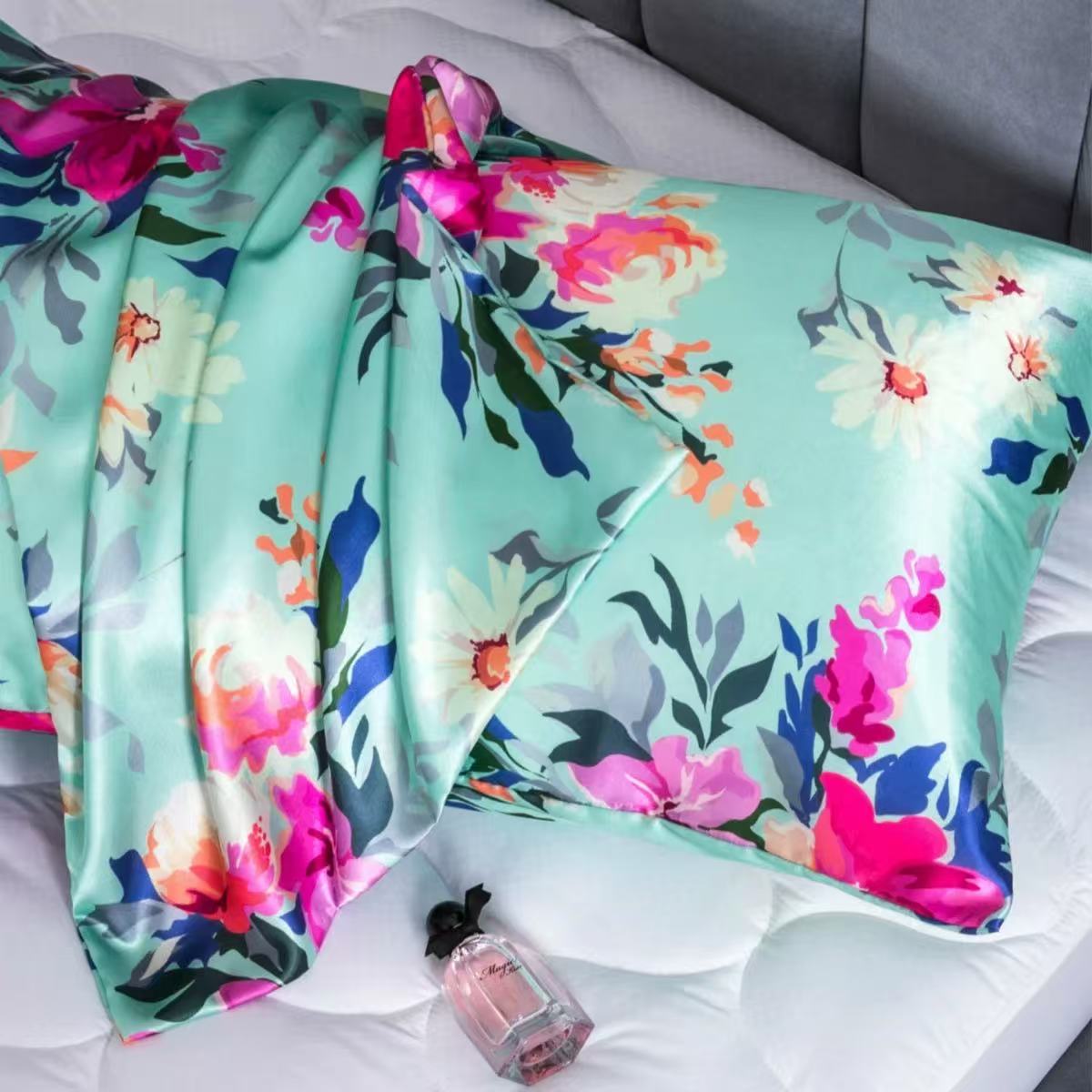
the fibers. Using a washing machine is convenient, but for a natural protein fiber[^7] like silk, you can’t just toss it in with your regular laundry. The process needs to be gentle to prevent damage. Think of it less like washing cotton towels and more like caring for a fine sweater. Here are the most important details to get it right every time.
Choose the Right Detergent
The detergent you choose is critical. Silk is a protein fiber, much like your own hair. Harsh detergents with high alkaline levels or enzymes (like protease and lipase) will literally break down and dissolve these protein fibers, causing them to become brittle and weak. Always look for a liquid detergent labeled “pH neutral,” “for delicates,” or “for silk.” Never, ever use bleach[^8] or fabric softener on silk. Bleach will yellow the fabric and destroy the fibers, while fabric softener leaves a residue that can damage the sheen.
Get the Settings Right
Before you press start, make sure your machine settings are correct. The goal is to mimic the gentleness of hand washing as much as possible.
| Setting | Recommendation | Why it Matters |
|---|---|---|
| Cycle | Delicate / Silk / Hand Wash | Minimizes aggressive tumbling and spinning. |
| Water Temp | Cold (Below 30°C / 86°F) | Hot water can shrink silk and damage its fibers. |
| Spin Speed | Low / No Spin | High-speed spinning can stretch and tear the fabric. |
| Protection | Mesh Laundry Bag | Acts as a barrier against snags from the drum. |
| Following these simple rules will allow you to safely use your washing machine without fear of damaging your investment. |
How often should a silk pillowcase[^1] be washed?
You know you need to wash your pillowcase, but how often is best? Too often might cause wear; not enough can be unhygienic. I find a simple schedule works perfectly. You should wash your silk pillowcase[^1] at least once a week. T is routine removes the buildup of natural body oils, sweat, and skincare products[^9], keeping your pillowcase clean and preserving the integrity of the delicate
silk fibers for longer. Treating your silk pillowcase[^1] like your other bedding is the best rule of thumb. While silk has some naturally hypoallergenic and antibacterial properties, it’s not immune to getting dirty. Your face and hair are in direct contact with it for hours every night, so keeping it clean is important for both your skin and the pillowcase itself.
Why a Weekly Wash is Key
Every night, your body naturally sheds dead skin cells and releases oils and sweat. On top of that, any skincare or hair products you use can transfer onto the fabric. Here’s what builds up:
- Natural Oils (Sebum): From your skin and scalp.
- Skincare Products: Night creams, serums, and lotions.
- Hair Products: Leave-in conditioners, oils, and styling agents.
- Sweat and Dead Skin Cells: A natural part of sleeping. This buildup can clog your pores, potentially leading to breakouts. It also acts as a food source for dust mites. For the silk itself, these substances can slowly degrade the protein fibers, causing discoloration and weakening the fabric over time. A weekly wash[^10] keeps this from happening.
Adjusting Your Washing Schedule
While once a week is a great guideline, you can adjust it based on your personal needs.
| Your Situation | Suggested Frequency | Reason |
|---|---|---|
| Oily Skin/Hair | Every 3-4 Days | More frequent washing prevents oil buildup on the fabric. |
| Acne-Prone Skin | Every 2-3 Days | A fresh surface is crucial to prevent bacteria transfer. |
| Use Heavy Products | Every 4-5 Days | Removes product residue that can stain and damage silk. |
| Standard Use | Once a Week | The ideal balance for hygiene and fabric longevity. |
| Consistency is the most important part. A regular cleaning schedule ensures your silk pillowcase[^1] continues to provide its amazing benefits for your skin and hair. |
Why can’t you put silk pillowcase[^1]s in the dryer?
You’ve washed your silk pillowcase[^1] perfectly, and now you want to dry it quickly. The dryer seems like the easiest option, right? But this step can completely ruin your silk. You cannot put silk in the dryer because the high, direct heat will shrink the fabric, break down the delicate protein fibers, and destroy its natural luster[^11]. This makes the silk brittle, dull, and prone to tearing, ruining its
smooth texture. When I first started in this business, I heard horror stories from customers who learned this lesson the hard way. They’d put a beautiful, lustrous pillowcase in the dryer only to pull out a shrunken, rough piece of fabric. The damage from a machine dryer is irreversible. The intense heat is simply too much for the fine protein structure of silk to handle.
The Science of Heat Damage on Silk
To understand why a dryer is so bad for silk, it helps to know what silk is made of. Silk is a protein called fibroin. This protein structure is strong but also very sensitive to heat and friction. Here’s what happens in a dryer:
- Fiber Shrinkage and Damage: High heat causes the delicate protein fibers to contract and tighten suddenly. This results in shrinking and can make the fabric feel stiff and lose its beautiful drape. The heat essentially “cooks” the protein, making it brittle and weak.
- Loss of Luster: Silk gets its famous sheen from the smooth, triangular structure of its fibers, which reflect light like a prism. The tumbling and high heat of a dryer damage this smooth surface, creating a dull, lifeless appearance.
- Static and Wrinkles: The dry, hot environment of a tumbling dryer creates a lot of static electricity in silk. It also sets deep wrinkles into the fabric that are very difficult to iron out, even with a cool iron.
The Best Way to Dry Silk
The only safe way to dry silk is to let it air dry[^5]. After washing, gently squeeze out excess water—never wring or twist it! Lay the pillowcase flat on a clean, dry towel and roll it up to absorb more moisture. Then, hang it on a laundry rack or a smooth, padded hanger. Be sure to keep it away from direct sunlight and heat sources like radiators, as these can cause yellowing and weaken the fibers just like a dryer. It will dry surprisingly quickly.
Can you put 100% silk[^12] in the dryer?
You might wonder if high-quality, 100% silk[^12] is any different. Maybe it’s strong enough to handle a quick tumble on a low setting? This is a risky assumption to make. No, you should never put 100% silk[^12] in the dryer, regardless of the quality. Even on the lowest heat or ‘air fluff’ setting, the combination of heat and friction will damage the natural fibers, causing them to weaken, lose their
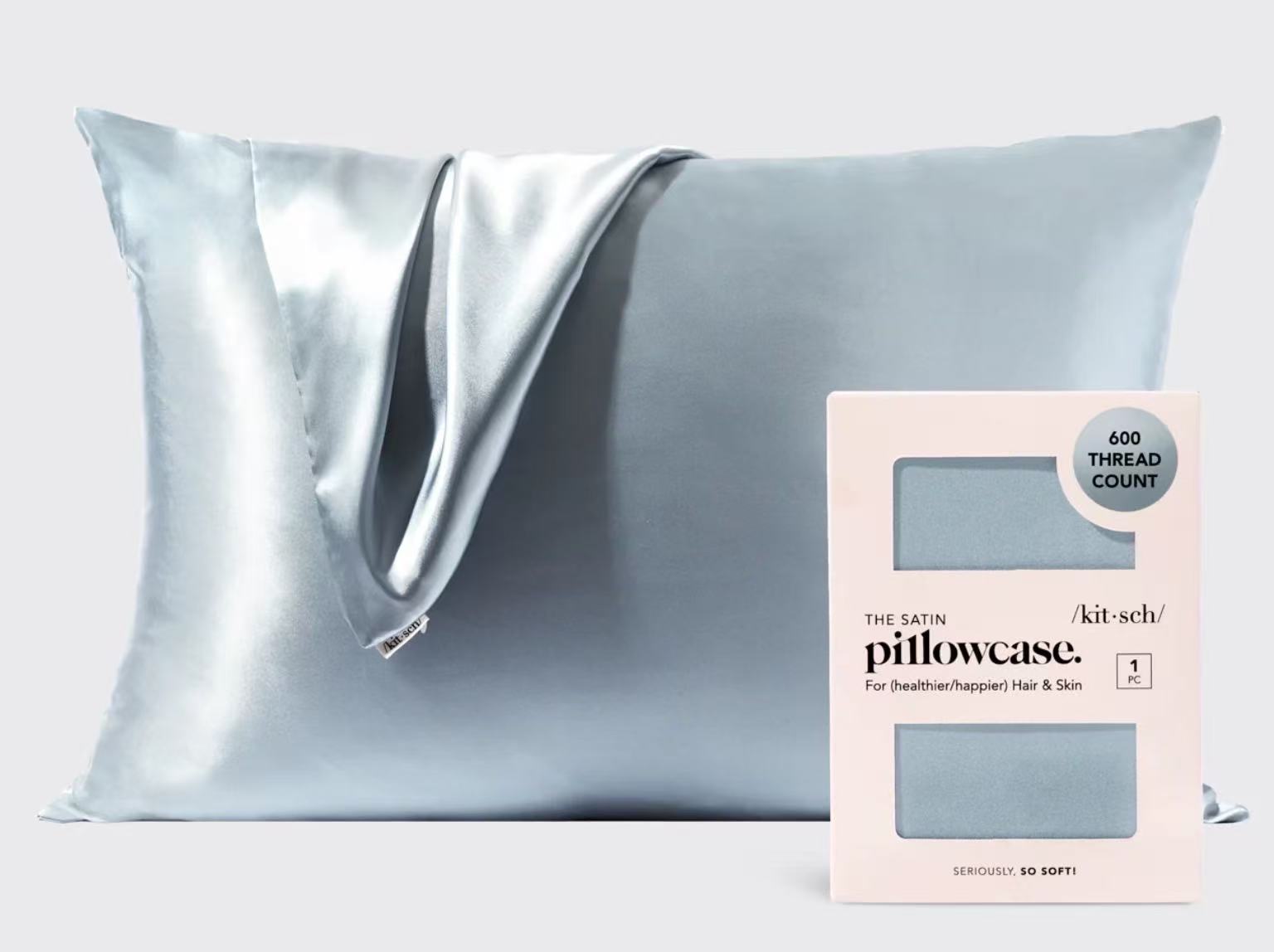
shine, and shrink. I often tell my clients that the care label on a 100% silk[^12] product is there for a very good reason. The “Do Not Tumble Dry” instruction is not a suggestion; it’s a rule to protect your investment. The quality of the silk, whether it’s a high momme count or pure mulberry silk, doesn’t make it immune to heat damage[^13]. In fact, damaging a high-quality piece feels even worse because you know how wonderful it was before.
What About the “Air Dry” Setting?
Some people believe that the no-heat or “air dry[^5]” setting on a modern dryer is safe for delicates. While it’s certainly better than using heat, I still strongly advise against it for silk. The problem isn’t just the heat—it’s also the constant tumbling and friction. As the pillowcase tumbles in the drum, it rubs against itself and the walls of the machine. This friction can cause several issues:
- Snags and Pulls: Even in a smooth drum, there’s a risk of snagging the delicate weave.
- Weakened Seams: The constant pulling and stress from tumbling can weaken the seams of the pillowcase[^14].
- Loss of Smoothness: Friction wears down the smooth surface of the silk fibers, reducing that signature buttery-soft feel.
Stick with the Safest Method: Air Drying
To preserve the life, look, and feel of your 100% silk[^12]k pillowcase](https://sheetsociety.com/en-us/library/care-guides/how-to-wash-silk-pillowcase)[^1], air dry[^5]ing is the only method I recommend. It might take a little more time, but it guarantees your silk remains in perfect condition.
| Drying Method | Outcome for 100% Silk | My Recommendation |
|---|---|---|
| High Heat Dry | Severe damage, shrinkage, loss of shine. | Never Do This |
| Low Heat Dry | Still causes damage, weakening fibers. | Avoid |
| Air Fluff (No Heat) | Risk of friction damage[^15], snags, weakened seams. | Not Recommended |
| Air Dry Away From Sun | Perfect preservation of fabric, shine, and shape. | Always Do This |
| By following these simple drying rules, you ensure that your silk pillowcase[^1] stays as beautiful and beneficial as the day you bought it. |
Conclusion
Washing your silk pillowcase[^1] is easy when you use a gentle detergent, cool water, and always air dry[^5] it. Following these steps will protect the fabric and extend its life.
[^1]: Explore this resource to learn essential tips for maintaining the quality and longevity of your silk pillowcase. [^2]: Discover expert advice on hand-washing techniques to ensure your delicate fabrics remain in pristine condition. [^3]: Learn about the significance of pH-neutral detergents in preserving the integrity of silk fabrics. [^4]: Find out how the delicate cycle works and why it’s crucial for washing silk without damage. [^5]: Get insights on effective air drying techniques to maintain the quality of silk fabrics. [^6]: Understand the benefits of using a mesh laundry bag to protect your delicate items during washing. [^7]: Explore the unique properties of natural protein fibers and how they affect fabric care. [^8]: Understand the harmful effects of bleach on silk and why it’s best to avoid it. [^9]: Find out how your skincare routine can impact the cleanliness and longevity of silk pillowcases. [^10]: Discover the recommended washing frequency for silk pillowcases to keep them clean and fresh. [^11]: Explore the factors that give silk its beautiful sheen and how to maintain it. [^12]: Learn about the durability of 100% silk compared to blended fabrics and care implications. [^13]: Explore how heat can damage silk and the importance of proper drying methods. [^14]: Learn about the impact of washing on the seams of silk pillowcases and how to protect them. [^15]: Understand the risks of friction damage to silk and how to avoid it during care.
Post time: Aug-19-2025