
How Do We Wash Silk Pillowcases and Silk Sheets?
Do you own luxurious [silk pillowcase](https://www.cnwonderfultextile.com/silk-pillowcase-2/s and sheets but worry about how to care for them? Improper washing can ruin their delicate feel. I know the struggle to keep silk feeling wonderful. To properly wash silk pillowcases and sheets, always use a gentle, pH-neutral detergent and either hand wash in cold water or machine wash on a delicate cycle with a mesh laundry bag. Avoid harsh chemicals, hot water, and tumble drying to preserve silk’s natural luster and softness.

Taking care of silk might seem tricky, but with the right steps, it is easy. I have learned the best ways to keep silk looking and feeling amazing over many years in this business.
How Often Should Silk Pillowcases Be Washed?
You might wonder how often to wash such a delicate item. Washing too much or too little can both be bad. Finding the right balance is key. Silk pillowcases should be washed every 7-10 days to maintain hygiene and prevent the buildup of oils, dirt, and makeup. While silk is naturally hypoallergenic and resistant to dust mites, regular washing preserves its cleanliness and beneficial properties, ensuring long-lasting freshness.
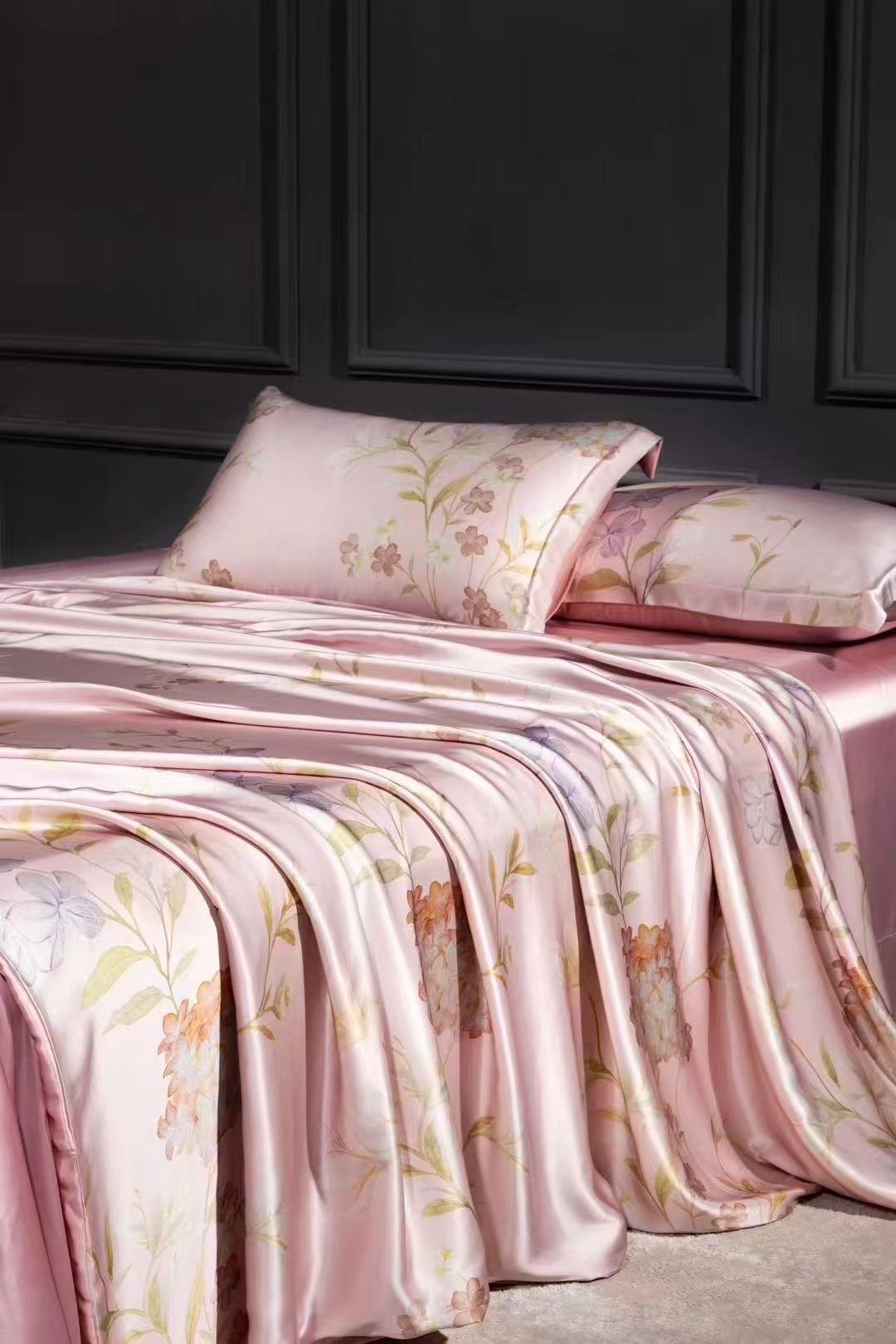
I always tell my customers that frequent, gentle washing is better than infrequent, harsh washing. Think of it like a beautiful silk scarf; you clean it regularly, but with care.
Why Is Regular Washing Important for Silk?
Even though silk is great for your skin and hair, it still needs to be cleaned regularly. Ignoring this can lead to problems.
| Benefit of Regular Washing | Consequence of Not Washing Regularly |
|---|---|
| Removes skin oils and sweat | Buildup of residue, can look dull |
| Cleans off makeup and product residue | Stains, can transfer dirt back to skin |
| Maintains fabric hygiene | Can harbor bacteria, loses freshness |
| Keeps silk smooth and soft | Can feel grimy, lose its luxurious feel |
| Your face and hair leave oils, dead skin cells, and product residue on your pillowcase every night. Over time, this builds up. This residue can transfer back to your skin and hair. This makes your pillowcase feel less fresh. It also takes away from the benefits of silk. Regular gentle washing keeps the silk fibers clean. This allows them to glide smoothly against your skin and hair. This is why silk helps prevent wrinkles and tangled hair. If too much dirt builds up, the silk cannot do its job as well. So, washing every 7 to 10 days keeps your silk pillowcase working its magic. It also prolongs its life and keeps it hygienic. |
Does Silk Get “Dirty” Slower Than Cotton?
Silk has some natural properties that make it different from cotton regarding cleanliness. However, it still needs washing. Silk is naturally resistant to dust mites and mold. This is a big plus for allergy sufferers. It also tends to repel some types of dirt better than cotton. Cotton often absorbs more moisture and oils. This can make it feel dirty faster. So, while silk might not feel as dirty as quickly as cotton, it still collects everyday grime. Think of it this way: your silk pillowcase might look cleaner longer, but invisible residues still accumulate. This is why the recommended washing frequency for silk is similar to cotton. This ensures you always benefit from a clean sleeping surface. Therefore, while silk does not get visibly dirty as quickly, it needs regular cleaning for hygiene.
Why Does My Silk Pillowcase Feel Weird After Washing?
Sometimes, after washing, silk can feel different. It might feel a bit stiff or less smooth. This is a common concern. If your silk pillowcase feels weird after washing, it is usually due to using harsh detergents, hot water, or air-drying in direct sunlight or with excessive heat. These factors can strip silk’s natural proteins, causing it to lose its characteristic softness and become stiff or less lustrous. Always use gentle care.
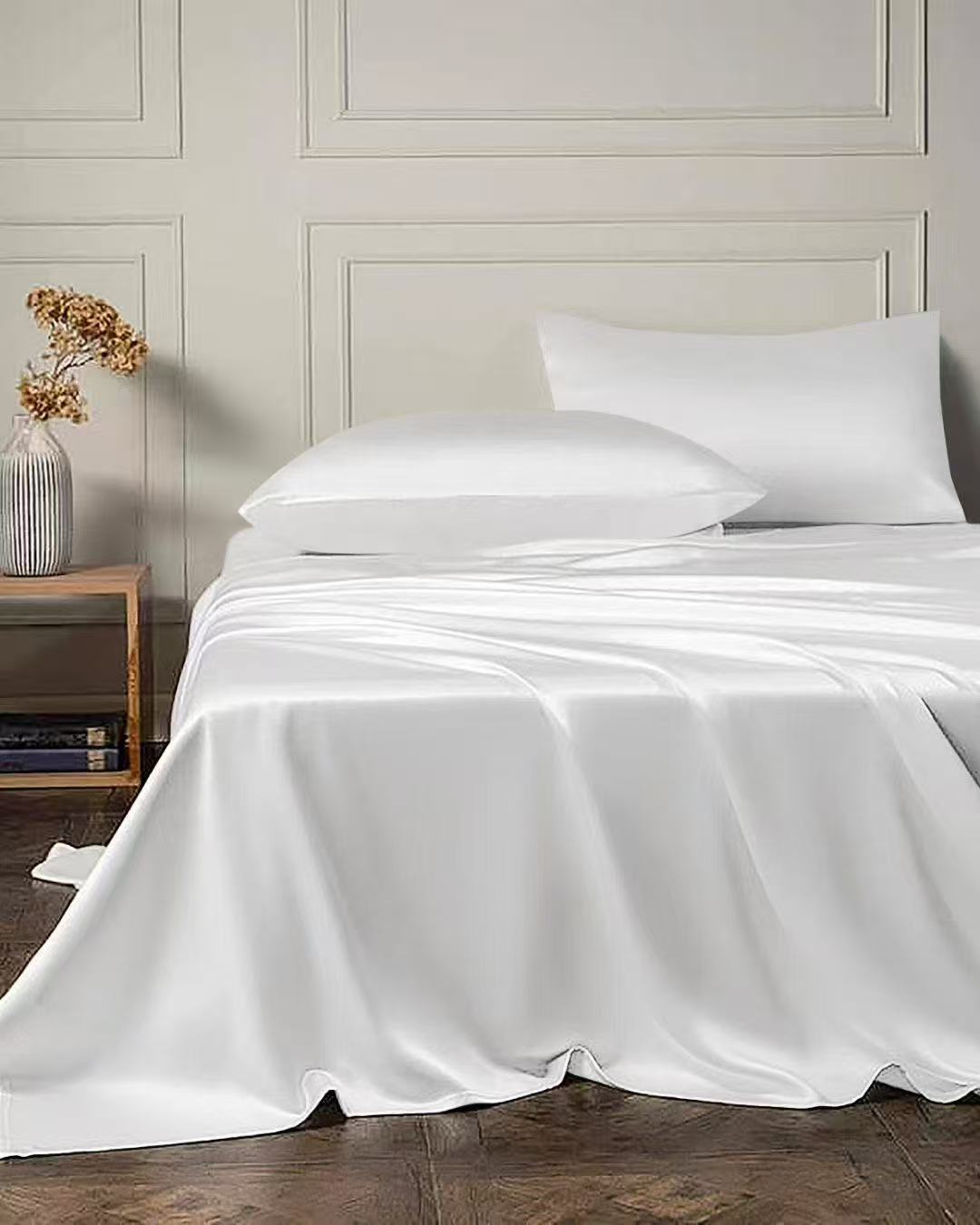
I often hear this from new silk owners. They worry they have ruined their beautiful item. But usually, it is fixable or preventable.
What Makes Silk Feel Stiff After Washing?
There are a few main reasons why silk might lose its softness after a wash. Understanding these helps prevent the problem.
| Cause of Stiffness | Explanation | Prevention Method |
|---|---|---|
| Harsh Detergents | Strips natural sericin (protein) from silk fibers. | Use special silk detergent or pH-neutral liquid. |
| Hot Water | Damages protein structure, shrinks fibers. | Always wash in cold or lukewarm water (max 30°C/86°F). |
| Hard Water | Mineral buildup on fibers. | Add a tiny bit of white vinegar to rinse cycle, or use distilled water for hand washing. |
| Improper Drying | Excessive heat or direct sun causes fibers to harden. | Air dry indoors away from direct sun, or use no-heat setting. |
| The key thing to remember is that silk is a protein fiber, much like human hair. Harsh chemicals, like those in strong detergents, can strip away the natural proteins and oils that give silk its softness and shine. Hot water can also damage these delicate proteins. When the silk protein is damaged, the fibers can become brittle and stiff. They lose their smooth texture. Have you ever washed your hair with a strong shampoo and no conditioner? It can feel dry and rough. Silk reacts similarly. This is why choosing the right detergent and water temperature is very important to keep your silk feeling wonderful. |
How to Restore Softness to Stiff Silk?
If your silk pillowcase already feels a bit stiff, there are steps you can take to try and bring back its softness. First, try a gentle re-wash. Use cold water and a specialized silk detergent. You can also add a small amount of distilled white vinegar to the rinse water. About a quarter cup for a machine load, or a tablespoon for hand washing. The vinegar helps to remove any detergent residue or mineral buildup from hard water. Make sure to rinse thoroughly. Then, lay the silk flat on a clean towel or hang it on a padded hanger to air dry indoors, away from direct sunlight or heat. Do not twist or wring it. Gently stretching the silk while it dries can also help. Sometimes, soaking it in cold water with a silk conditioner for a short period can also help restore its luxurious feel. This process helps to soften the fibers and restore some of their natural luster.
Can I Put 100% Silk in the Dryer?
This is a question I hear very often. The dryer is convenient, but silk needs special treatment. No, you should never put 100% silk in a tumble dryer, especially not on a heat setting. The high heat can permanently damage the delicate silk fibers, causing them to shrink, lose their luster and softness, become brittle, and even cause visible damage. Always air dry 100% silk products.

My experience tells me this is one of the biggest mistakes people make with silk. I have seen many beautiful silk items ruined by the dryer.
Why Is the Dryer Bad for Silk?
The harsh conditions inside a typical clothes dryer are very damaging to silk. It is designed for cotton and other sturdy fabrics, not delicate proteins.
| Dryer Risk to Silk | Specific Damage to Fibers | Visual/Tactile Outcome |
|---|---|---|
| High Heat | Denatures silk proteins, shrinks fibers. | Stiff fabric, wrinkles, loss of softness |
| Tumbling Action | Causes friction and abrasion. | Snags, pilling, weakening of threads |
| Over-Drying | Strips natural moisture from silk. | Brittle, fragile, dull appearance |
| Static Electricity | Attracts lint, can cause minor damage. | Fabric clinging, potentially attracting dust |
| Silk fibers are made of protein, just like your hair. When you expose your hair to very high heat, it can get damaged and brittle. The same thing happens to silk. The high heat in a dryer breaks down these delicate protein bonds. This leads to shrinkage and a permanent loss of softness and shine. The silk becomes stiff, dull, and much more prone to tearing. The tumbling action also creates friction, which can snag the delicate threads or cause pilling. Even a “low heat” setting is usually too hot for pure silk. It is just not worth the risk. Always choose to air dry. |
What Is the Best Way to Dry Silk Pillowcases and Sheets?
Air drying is the only safe method for 100% silk. Here’s how to do it correctly to ensure your silk stays beautiful. After washing, gently roll your silk in a clean towel to absorb excess water. Do not wring or twist it. Then, lay the silk item flat on a clean, dry surface or hang it over a padded hanger or a drying rack. Make sure to keep it away from direct sunlight, which can cause fading and damage the fibers. Also, avoid placing it near heat sources like radiators. Allow it to air dry completely. This might take a few hours. Drying indoors with good air circulation is ideal. This gentle drying process helps the silk retain its natural properties, including its softness, luster, and shape. It makes sure your WONDERFUL SILK products will last for a long time.
Conclusion
Washing silk pillowcases and sheets gently in cold water with mild detergent, drying every 7-10 days, and avoiding the dryer ensures they stay soft, lustrous, and long-lasting.
Post time: Oct-27-2025