
How to Choose the Best Silk Pillowcase Supplier for Your Business?
Struggling to find a reliable silk pillowcase supplier? The wrong choice can ruin your brand’s reputation and profits. Here’s how I learned to pick the right partner. To choose the best silk pillowcase supplier, first verify their qualifications and reputation. Always request samples to check the quality. You also need to balance their pricing with delivery times and confirm they offer excellent after-sales service. This ensures a smooth, long-term partnership for your business. Finding a great supplier is a big deal for any business, especially when you’re selling luxury items like silk pillowcases. It’s about more than just finding the lowest price. It’s about building a partnership that helps your brand grow. I’ve been in this industry for nearly 20 years, and I’ve learned a few things that can help you avoid common mistakes. Let’s break down what you need to look for.
How do you verify a supplier’s qualifications and reputation?
Worried about partnering with an unproven factory? A bad supplier can deliver poor products or cause endless delays. Protect your business by checking their credentials and history first. Verify a supplier by checking their business licenses, certifications like OEKO-TEX, and online reviews. Ask for references from their other clients. A reputable factory will be transparent about their history and happy to provide proof of their expertise and reliability in the silk industry. Let’s dive deeper into this. When I first started, I learned the hard way that you can’t just take a supplier’s word for it. You need to do your homework. Start by asking for legal documents to prove they are a real, registered business. This is the most basic step. Then, look for proof that they know what they’re doing with silk.
Key certifications
Certifications are very important. They show that a third party has checked the factory’s products and processes. For silk products, the OEKO-TEX Standard 100 is a must-have. It means the fabric has been tested for harmful substances. A good supplier will proudly show you their certificates.
Checking their track record
You also need to check their reputation. How long have they been in business? A company like mine, WONDERFUL SILK, has over a decade of experience. That kind of history means we understand the market and have stable relationships with our material suppliers. I always suggest looking for suppliers who have experience with OEM/ODM services and have worked with clients in your target market, whether it’s the US, EU, or Australia.
| Verification Step | What to Ask For | Why It’s Important |
|---|---|---|
| Business License | A copy of their official business registration | Confirms they are a legitimate, legal company. |
| Certifications | OEKO-TEX, ISO 9001, or other relevant certs | Proves product safety and quality management. |
| Client References | Contact info for 1-2 past or current clients | Provides real-world feedback on their performance. |
| Years of Experience | When the factory was established | Shows stability and industry knowledge. |
Why is product quality and sampling so important?
Have you ever ordered something that looked great online but was terrible in person? Imagine that happening with your entire product line. Sampling prevents this from happening to your business. Requesting samples is the only way to truly assess a supplier’s product quality. It allows you to check the silk’s feel, color accuracy, stitching, and overall craftsmanship before you commit to a large order. Never skip the sampling step.

After nearly 20 years in the silk industry, I can tell you that pictures and descriptions are not enough. You have to physically touch and see the product. A sample tells you everything you need to know about a supplier’s standards. When you receive a sample, don’t just glance at it. You need to inspect it carefully.
What to check in a sample
First, check the fabric itself. Is it genuine mulberry silk? What is the momme weight? Higher momme counts, like 22 or 25, mean the silk is more durable and luxurious. Rub the fabric between your fingers. It should feel smooth and soft. Next, look at the color. Does it match the Pantone color you requested? Colors can look different on screen, so a physical sample is crucial for brand consistency.
Inspecting the craftsmanship
Then, examine the details. How is the stitching? The seams should be straight, tight, and neat. Look for any loose threads. Check the zipper. A good supplier uses high-quality, hidden zippers that don’t snag. I always pay close attention to the small details because they show how much care the factory puts into its work. If the sample is sloppy, the full production run will likely be even worse. A good sample gives you confidence in the supplier.
| Quality Check | What to Look For | Why It Matters |
|---|---|---|
| Fabric Feel & Grade | Smoothness, momme weight, 100% mulberry silk label. | Determines the luxury and durability of your product. |
| Color Accuracy | Compare the sample color to your brand’s specified Pantone. | Ensures brand consistency across all your products. |
| Stitching & Seams | Straight, even stitches with no loose threads. | A sign of high-quality manufacturing and durability. |
| Zipper Quality | Hidden, smooth-gliding zipper that doesn’t snag. | Affects the user experience and product lifespan. |
How do you balance price with delivery time?
Trying to find the lowest price can be tempting, right? But what if it means waiting months for your order? You need to find a balance that works for your business. The cheapest option is rarely the best. Analyze the total cost, including shipping and potential delays. A reliable supplier offers fair pricing for quality products and provides a realistic delivery timeline. Clear communication about production schedules is key to managing your inventory.
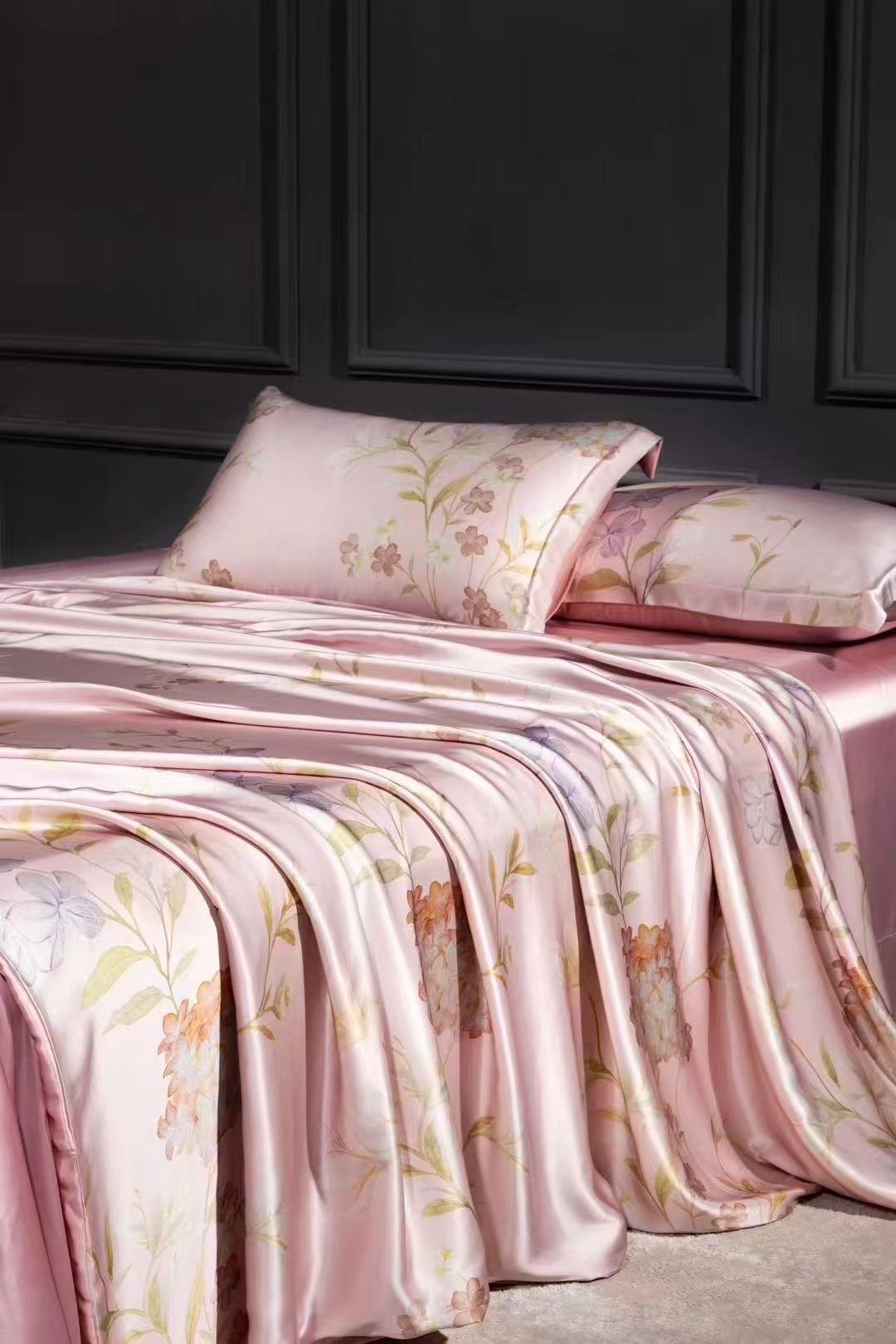
Price is always a major factor, I get it. But a price that seems too good to be true usually is. It might mean the supplier is using low-grade materials or cutting corners in production. Instead of just looking at the price per unit, you should focus on getting the best value. This means getting a high-quality product at a fair price with a reliable delivery schedule. From my experience, it’s better to pay a little more for a supplier you can trust.
Understanding lead times
Delivery time, or lead time, is just as important as price. Ask potential suppliers for their typical production timeline. How long does it take from placing the order to shipping it out? This will affect your ability to manage stock and meet customer demand. A good supplier will be honest and transparent about their lead times. They should also inform you quickly about any potential delays. At WONDERFUL SILK, we know how important this is, so we have strong relationships with our component suppliers to ensure things run smoothly.
Minimum Order Quantity (MOQ)
Finally, discuss the Minimum Order Quantity (MOQ). This is the smallest order a factory is willing to produce. For a new business, finding a supplier with a flexible or low MOQ is a huge advantage. It allows you to test the market without investing a large amount of money upfront. Always ask about MOQ and see if there’s any room for negotiation.
What kind of after-sales service should you expect?
Your relationship with a supplier doesn’t end when you receive your order. What happens if there’s a problem? Poor after-sales service can leave you feeling frustrated and alone. Excellent after-sales service means your supplier is responsive and helpful even after you’ve paid. They should have a clear policy for handling defects, returns, or shipping issues. This support shows they are a true partner
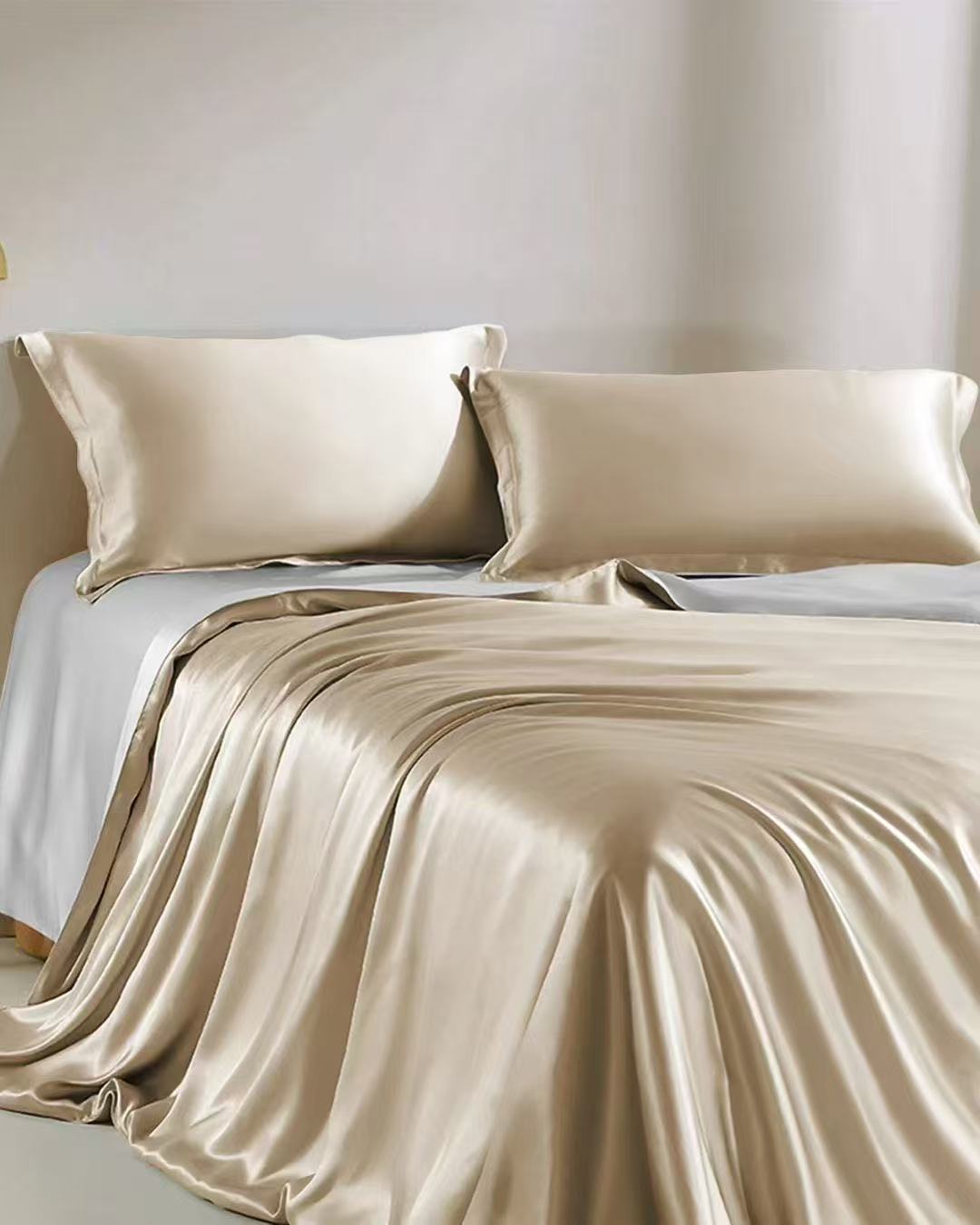
invested in your success. After-sales service is a true test of a supplier’s professionalism and commitment to their clients. I’ve always believed that how a company handles problems is more important than how they handle a smooth sale. You need a partner who will stand by their product. Before you sign any contract, you must ask about their policies for handling issues.
Handling quality problems
What happens if you find defects in a batch of pillowcases? Will the supplier offer replacements, a discount, or a refund? A reputable factory will have a clear process for this. They should take responsibility for any manufacturing errors and work with you to find a fair solution. You don’t want to be stuck with a shipment of products you can’t sell.
Communication and support
Good communication is the foundation of good service. How easy is it to get in touch with your contact person at the factory? Do they respond to emails quickly? A good partner will be accessible and proactive. They should be willing to answer your questions and provide support when you need it. This ongoing relationship is what separates a simple supplier from a valuable business partner. It’s what we strive for with every client at my company.
Conclusion
Choosing the right supplier is crucial for your brand. By checking their reputation, testing samples, balancing cost with delivery, and confirming their after-sales support, you can build a strong partnership.
Post time: Aug-30-2025