
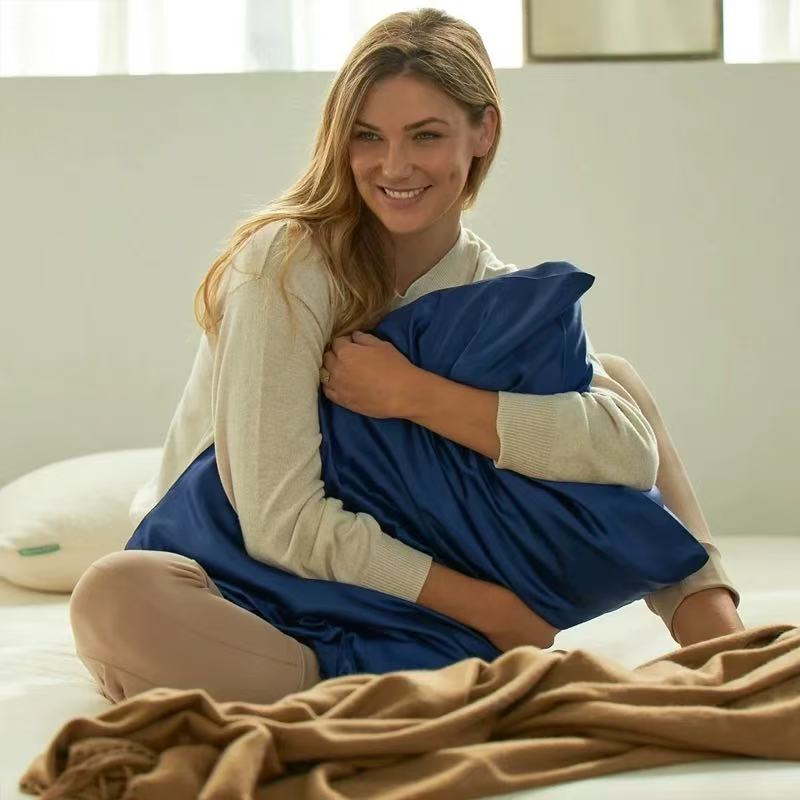
Choosing the right supplier ensures seamless production. A reliable supplier with efficient processes enables fast production, meeting tight deadlines without compromising quality. Ordering custom silk pillowcases in bulk reduces costs while enhancing branding opportunities. Silk pillowcases exude luxury, making them ideal for businesses aiming to impress customers or elevate their product offerings.
Key Takeaways
- Pick a trusted supplier for quick production and good-quality silk pillowcases. This decision helps you meet tight schedules.
- Clearly explain what you need, like silk type, sizes, colors, and logos. Being clear prevents mistakes and keeps customers happy.
- Use a step-by-step quality check to keep products great. Checking often during production ensures the final product is as expected.
Define Your Customization Requirements
Select High-Quality Silk Material
Choosing premium silk ensures the durability and luxury appeal of custom pillowcases. High-quality silk offers benefits such as improved skin and hair health, moisture retention, and temperature regulation. These features make it a preferred choice for customers seeking indulgence and comfort. Businesses should prioritize silk with a smooth texture and consistent weave to maintain product quality.
- High-grade silk enhances the product’s longevity and supports brand reputation.
- Testing fabric samples before bulk production ensures alignment with quality standards.
Choose Sizes and Dimensions
Selecting appropriate sizes and dimensions is crucial for meeting customer expectations. Standard pillow sizes, such as queen, king, and travel sizes, cater to diverse needs. Businesses can also offer custom dimensions to target niche markets. Ensuring accurate measurements during production minimizes errors and enhances customer satisfaction.
Decide on Colors and Patterns
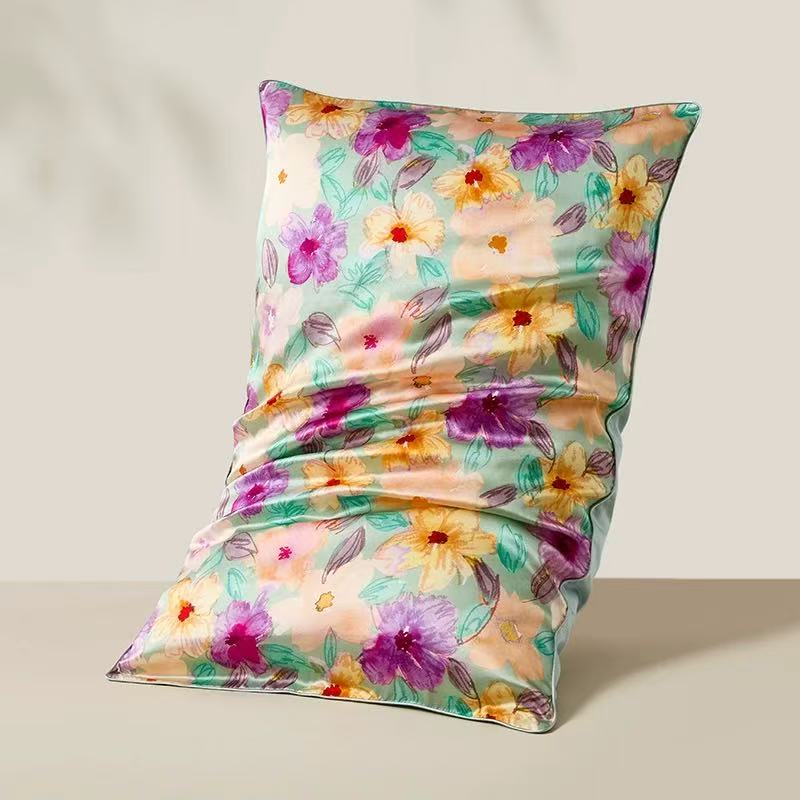
Color and pattern choices significantly influence the product’s appeal. Offering a variety of options allows businesses to cater to different tastes and home décor styles. Popular choices include neutral tones for a classic look and vibrant patterns for a modern touch. Consistency in dye quality ensures uniformity across bulk orders.
Add Branding Features (e.g., Embroidery, Logos)
Incorporating branding elements like embroidery or logos strengthens brand identity. For example:
| Customization Option | Benefit |
|---|---|
| Embroidery | Adds a personal touch with logos or monograms, enhancing brand identity. |
| Color options | Provides variety to match different home décor styles, appealing to a broader audience. |
| Packaging | Eco-friendly materials and branded designs improve the unboxing experience, reinforcing brand image. |
Plan Packaging and Presentation
Thoughtful packaging elevates the customer experience. Eco-friendly materials and branded designs create a lasting impression. Businesses can include care instructions and personalized thank-you notes to enhance customer loyalty. Testing packaging samples ensures durability during shipping and aligns with brand aesthetics.
Find a Reliable Supplier for Fast Production
Research and Compare Suppliers
Finding the right supplier begins with thorough research and comparison. Businesses should evaluate multiple vendors to identify those with a proven track record in producing high-quality silk pillowcases. Reliable suppliers often demonstrate stability in their supply chains, ensuring consistent access to premium raw materials.
- Key benchmarks to consider:
- Quality control indicators, such as fewer fabric defects, reflect superior silk quality.
- Technological strength, including advanced production methods, ensures competitive and efficient manufacturing.
- Environmental standards, such as OEKO-TEX compliance, highlight eco-friendly practices.
- Customer service capabilities, including clear communication and responsive support, foster strong supplier relationships.
Comparing suppliers based on these criteria helps businesses select partners capable of fast production without compromising quality.
Verify Certifications and Standards
Certifications provide assurance of a supplier’s reliability and adherence to ethical practices. Businesses should prioritize suppliers with recognized certifications that validate their production processes and product quality.
- Important certifications to look for:
- OEKO-TEX Standard 100 guarantees silk free from harmful substances and promotes sustainable manufacturing.
- BSCI certification confirms compliance with ethical labor practices.
- ISO certifications demonstrate adherence to international quality management standards.
These certifications build trust and confidence in the supplier’s ability to deliver high-quality products consistently.
Check Reviews and Testimonials
Customer reviews and testimonials offer valuable insights into a supplier’s performance. Businesses should analyze feedback from previous clients to assess the supplier’s reliability, communication, and product quality. Positive reviews often highlight timely delivery and attention to detail, while negative feedback may reveal potential issues.
- Tip: Focus on reviews that mention bulk orders and fast production timelines. These provide a clearer picture of the supplier’s capacity to handle large-scale projects efficiently.
Testimonials from reputable brands further validate the supplier’s credibility and expertise in custom silk pillowcase production.
Assess Production Capacity and Lead Times
Understanding a supplier’s production capacity and lead times is crucial for managing bulk orders effectively. Suppliers with robust manufacturing capabilities can handle large quantities while maintaining quality standards. Businesses should inquire about minimum order quantities (MOQs), sample proofing times, and bulk delivery timelines.
| Feature | Details |
|---|---|
| Minimum Order Quantity (MOQ) | 100 pcs |
| Sample Proofing Time | 3 days |
| Bulk Delivery Time | 7-25 days for orders below 1000 pieces |
Selecting suppliers with shorter lead times ensures fast production, helping businesses meet tight deadlines and maintain customer satisfaction.
Request Samples and Confirm Customization
Evaluate Sample Quality
Evaluating sample quality is a critical step in ensuring the final product meets expectations. Businesses should assess the texture, durability, and print longevity of the silk pillowcases. Higher momme counts, such as 25 or 30 momme, indicate superior durability and resistance to wear. These options withstand frequent use and washing without compromising quality.
To confirm customization accuracy, companies should implement a structured quality control process. This includes:
- Pre-production inspection: Verifies that initial samples align with customization requirements.
- On-line inspection: Monitors quality during production to ensure specifications are met.
- Off-line inspection: Conducts final checks to confirm the finished products meet high standards.
| Quality Control Step | Description |
|---|---|
| Pre-production Inspection | Ensures that the initial samples meet the customization requirements before mass production. |
| On-line Inspection | Conducted during production to monitor quality and adherence to specifications. |
| Off-line Inspection | Final checks after production to confirm that the finished products meet quality standards. |
| Confirmation of Samples | Pre-production samples are confirmed with the client to ensure satisfaction before bulk orders. |
| Quality Checks | Multiple checks at different stages to ensure high quality and customization accuracy. |
Finalize Customization Details
Finalizing customization details ensures the supplier delivers products that align with branding and quality standards. Businesses should use detailed checklists to review creative elements, such as logos, embroidery, and packaging designs. These checklists streamline the approval process, reduce errors, and promote accountability among team members.
Online proofing tools, like Filestage, simplify collaboration by centralizing feedback and revisions. This approach ensures all stakeholders review and approve the designs systematically. Maintaining an audit trail of approvals and revisions further guarantees compliance with branding and regulatory standards.
Ensure Supplier Alignment with Your Requirements
Clear communication with suppliers is essential for fast production and accurate customization. Businesses should confirm that suppliers understand all specifications, including fabric quality, dimensions, and branding elements. Regular updates and progress reports help ensure alignment throughout the production process.
Suppliers with robust quality assurance protocols often commit to re-producing items if quality issues arise. This commitment builds trust and ensures customer satisfaction. By working closely with experienced suppliers, businesses can achieve efficient production timelines without compromising quality.
Manage Bulk Orders Efficiently
Understand Minimum Order Quantities (MOQs)
Minimum order quantities (MOQs) play a vital role in bulk production. Suppliers often set MOQs to optimize manufacturing efficiency and reduce costs. Businesses should evaluate these requirements to ensure alignment with their budget and inventory needs. For instance, a supplier may require an MOQ of 100 units, which allows for streamlined production while maintaining affordability.
Negotiating MOQs can also benefit businesses with smaller budgets or limited storage space. Suppliers may offer flexibility for long-term clients or those placing recurring orders. Understanding these thresholds helps businesses plan effectively and avoid unnecessary expenses.
Plan Production Schedules
Efficient production scheduling ensures timely order fulfillment and minimizes delays. Businesses should collaborate with suppliers to establish clear timelines for each stage of production. Optimizing production cycles can significantly enhance efficiency.
For example, the following table illustrates how production schedule optimization improves order fulfillment speed:
| Description | Value |
|---|---|
| Optimal order quantity (Q*) | 122 units |
| Shortage level (S) | 81.5 units |
| Annual demand (x) | 1800 units |
| Daily production rate (K) | 7200 units |
| Optimal run size (Q*) | 200 units |
| Optimal production cycle | 8 and 1/3 days |
| Number of cycles per year | 9 cycles |
This model demonstrates how managing production rates and order quantities can lead to faster order fulfillment in bulk orders. Businesses should also monitor inventory levels and adjust schedules to meet fluctuating demand.
Implement Quality Control Measures
Quality control measures ensure consistent product standards during bulk production. Businesses should work with suppliers that adhere to international quality benchmarks. For example, JHThome emphasizes regular reviews of production processes to maintain high standards for silk pillowcases.
Implementing a structured quality control process minimizes defects and enhances customer satisfaction. Key steps include pre-production inspections, on-line monitoring, and final checks. These measures ensure that each pillowcase meets the desired specifications. Suppliers committed to quality often re-produce items if issues arise, fostering trust and reliability.
Ensure Quick Turnaround with Fast Production
Communicate Clearly with Suppliers
Clear communication ensures smooth collaboration and minimizes production delays. Businesses should provide suppliers with detailed instructions, including fabric specifications, dimensions, and branding requirements. Using structured communication tools, such as project management software or shared documents, helps streamline the exchange of information.
Regular updates from suppliers keep businesses informed about production progress. Scheduling weekly check-ins or milestone reviews ensures alignment and allows for quick adjustments if issues arise. Businesses should also designate a point of contact to handle inquiries and resolve concerns promptly.
Tip: Use visual aids like mockups or diagrams to clarify complex customization details. This reduces misunderstandings and speeds up production timelines.
Pre-Approve Designs and Specifications
Pre-approving designs and specifications eliminates errors during production. Businesses should finalize all creative elements, such as logos, embroidery patterns, and packaging designs, before manufacturing begins. Reviewing digital proofs or physical samples ensures accuracy and consistency.
A checklist can help businesses verify critical details, including:
- Fabric quality and momme count.
- Color matching and dye uniformity.
- Placement and size of branding elements.
Suppliers should receive written confirmation of approved designs to avoid discrepancies. Businesses can also request a final prototype for review before bulk production starts. This step ensures the finished product aligns with expectations and reduces the risk of costly revisions.
Work with Experienced Bulk Order Specialists
Experienced bulk order specialists streamline the production process. These professionals understand the complexities of large-scale manufacturing and can anticipate potential challenges. Businesses should prioritize suppliers with a proven track record in handling bulk orders efficiently.
Specialists often employ advanced production techniques to optimize workflows and reduce lead times. For example, automated cutting and stitching machines enhance precision and speed. Suppliers with dedicated quality assurance teams ensure consistent standards across large quantities.
Collaborating with specialists allows businesses to benefit from their expertise in fast production. Their ability to manage tight deadlines and maintain quality makes them valuable partners for bulk orders.
Consider Local or Regional Manufacturers
Local or regional manufacturers offer faster production and delivery times. Proximity reduces shipping delays and simplifies communication. Businesses can visit manufacturing facilities to oversee production and address concerns directly.
Regional suppliers often have better knowledge of local market trends and preferences. This insight helps businesses tailor their products to specific customer needs. Additionally, working with nearby manufacturers supports sustainability by reducing transportation-related carbon emissions.
Note: While local suppliers may charge higher rates, their ability to deliver faster and provide personalized service often outweighs the cost difference.
Ordering custom silk pillowcases in bulk involves several key steps. Businesses should approve samples, confirm production timelines, and prepare for launch. The following table summarizes these actions:
| Step | Action | Details |
|---|---|---|
| 1 | Sample Approval | Ensure the sample meets quality standards before production begins. |
| 2 | Production Timeline | Confirm the timeline for bulk production to plan your launch effectively. |
| 3 | Website Setup | Build your online store and prepare marketing materials. |
| 4 | Launch Strategy | Create bundles and partner with influencers for a successful launch. |
| 5 | Wholesale Outreach | Reach out to potential wholesale clients like spas and hotels. |
Defining requirements, selecting reliable suppliers, and maintaining clear communication ensure fast production and high-quality results. Businesses can take the next step by contacting suppliers or requesting quotes to begin their journey toward creating luxurious silk pillowcases.
FAQ
How can businesses ensure the silk quality meets their standards?
Request fabric samples from suppliers. Evaluate texture, weave consistency, and momme count to confirm durability and luxury appeal.
What is the typical lead time for bulk orders?
Lead times vary by supplier. Most deliver within 7–25 days for orders below 1,000 pieces. Confirm timelines during negotiations.
Are eco-friendly packaging options available for bulk orders?
Many suppliers offer sustainable packaging. Options include recycled materials, biodegradable wraps, and branded designs that align with environmental goals.
Post time: May-15-2025