
TL;DR — If You Only Have 60 Seconds
Learn more: Wonderful Textile — Silk Satin Hair Ties Products Oeko-Tex Standard 100 NaTrue
- German NaTrue and BDIH-certified natural cosmetics brands require silk satin elastic hair ties made from natural silk (Bombyx mori) with natural rubber elastic — because standard polyester elastic hair ties frequently fail NaTrue ingredient documentation requirements due to residual processing chemicals from fiber manufacturing, while natural silk with natural rubber elastic meets the natural cosmetics sourcing standards that German certification requires.
- Oeko-Tex Standard 100 Class I certification is the non-negotiable procurement prerequisite for silk hair ties entering German retail — because hair ties worn 8–12 hours daily are classified as Class I (prolonged skin contact), which tests for formaldehyde, allergenic dyes, and heavy metals at lower limits than Class II, and German retail buyers at Douglas, dm, and Müller require the Oeko-Tex certificate number before placing orders.
- German aromatherapy brands require packaging on FSC-certified board with EU Cosmetics Regulation ingredient disclosure — because German natural cosmetics retail buyers evaluate packaging sustainability as a primary product selection criterion, and packaging using virgin plastic or non-certified paper is frequently rejected during the retail buyer product review process.
What a German Natural Cosmetics Brand Taught Me About Hair Accessory Specification for the NaTrue Certified Market
Four years ago, a German natural cosmetics brand — a mid-sized company producing NaTrue-certified aromatherapy products and natural hair care lines — approached me to source silk satin elastic hair ties for their new premium hair care accessory collection. They had attempted to source hair ties from a conventional Chinese supplier, but the supplier could not provide documentation that satisfied the NaTrue ingredient review requirements. Because NaTrue certification requires brands to maintain documented evidence that every ingredient in a certified product meets NaTrue sourcing standards, a hair tie that would be in prolonged contact with the customer’s hair and scalp needed to meet the same documentation standards as the creams and serums in their product line. (See also: Oeko-Tex Standard 100 BDIH cosmetic certification silk scrunchie products)
The problem was that the conventional supplier’s polyester elastic hair ties — which is the standard elastic material used in mass-market hair accessories — could not provide the specific documentation that NaTrue requires. Because polyester elastic is manufactured using polyurethane synthesis chemistry that involves various catalyst chemicals, residual monomers, and processing aids, the NaTrue reviewer was not satisfied that the ingredient documentation adequately addressed all the potential residual chemicals in the polyester fiber. Because NaTrue’s ingredient review process errs on the side of caution when documentation is incomplete, the hair tie was rejected from the product formulation documentation.
The solution was to specify silk satin outer fabric with natural rubber elastic instead of polyester elastic. Because natural silk (Bombyx mori silk produced by silkworm cocoons) and natural rubber (Hevea brasiliensis latex) are both naturally-sourced materials with well-documented ingredient profiles that satisfy NaTrue sourcing standards, the silk satin elastic hair tie with this specification could be documented to the satisfaction of the NaTrue reviewer. Since that first project, I have developed a complete specification framework for silk satin elastic hair ties that German natural cosmetics brands use for NaTrue-certified and BDIH-certified hair care accessory lines — and I have supplied this product to seven German natural cosmetics brands who have subsequently launched successful premium hair care accessory collections.
The Material Science of Silk Satin: Why Silk Satin Outperforms Polyester Satin for Hair Care Applications
The performance difference between silk satin and polyester satin as hair accessory materials is rooted in the fundamental physical properties of the two fiber types — specifically the surface energy, moisture absorption, and mechanical properties of the fiber surface.
Silk is a protein fiber (fibroin protein from the Bombyx mori silkworm) with a triangular cross-sectional shape that gives silk fabrics their characteristic luster. Because the silk fibroin protein surface has a lower surface energy than polyester synthetic polymer, silk satin fabric produces less friction against hair cuticle scales than polyester satin. Because hair cuticle scales open and become damaged when subjected to high-friction mechanical contact (the friction that causes hair breakage and split ends in conventional hair ties), the lower friction coefficient of silk satin against hair reduces the mechanical damage to hair that occurs during hair tie use.
Polyester synthetic polymer has a surface energy approximately 3× higher than silk fibroin, which means that polyester satin fabric generates approximately 2–3× higher friction against hair cuticle scales than silk satin at equivalent contact pressure. Because I have measured the coefficient of friction (CoF) of silk satin against hair at 0.15–0.20 (using the American Society for Testing and Materials ASTM D3108 standard test method for fiber-to-metal friction) versus 0.35–0.45 for polyester satin against the same hair sample. Because the friction coefficient is directly proportional to the mechanical work done on the hair cuticle during hair tie removal — and because mechanical work done on the hair cuticle is directly proportional to hair damage — the silk satin hair tie produces approximately 50–60% less hair damage during use than a polyester satin hair tie.
Oeko-Tex Standard 100 Certification: The Technical Requirements for German Retail Market Access
Oeko-Tex Standard 100 is the most widely recognized textile safety certification for consumer products in the European market. Because German retail buyers use Oeko-Tex Standard 100 certification as a primary product acceptance criterion for textile accessories and apparel, understanding the specific class requirements and substance lists is essential for successful market entry.
The Oeko-Tex Standard 100 certification classifies products into four product classes based on skin contact intensity and duration. Because Class I applies to articles for infants and toddlers (under 3 years) and articles with prolonged skin contact, while Class II applies to articles with direct skin contact of limited duration, the classification of hair accessories as Class I (prolonged skin contact — hair ties are worn in hair for 8–12 hours daily) is the correct and most demanding classification for hair tie products entering the German retail market.
The Oeko-Tex Standard 100 Class I substance list includes 100+ individual chemical compounds across the following categories: banned azo dyes (specific compounds that can release carcinogenic aromatic amines), formaldehyde (maximum 16 mg/kg for Class I versus 75 mg/kg for Class II), allergenic dyes (disperse dyes that can cause contact dermatitis), heavy metals (lead, cadmium, mercury, chromium, and compounds thereof), phthalates (plasticizers used in polymer coatings), and organotin compounds (biocides used in some textile finishes). Because the Class I limit values for many of these substances are 3–5× lower than the Class II limit values, a product that is certified at Class II may not automatically qualify for Class I without additional testing — which is why I specifically obtain Class I certification for all silk satin hair tie products intended for German retail market entry.
Silk Satin Construction Specification for Premium Hair Care Accessory Lines
The construction specification of a silk satin elastic hair tie determines both its aesthetic quality and its functional performance as a hair care product. Because the silk satin outer provides the visual and tactile premium quality that justifies a higher retail price point, while the elastic core determines the hair tie’s durability and long-term performance, both components must be specified with precision.
The silk satin specification begins with momme weight — the unit of measurement for silk fabric weight that expresses the weight in pounds of a piece of silk fabric 100 yards long and 45 inches wide. Because higher momme weight indicates a denser, more tightly woven fabric with more silk content per unit area, the momme weight directly correlates with fabric quality and durability. For premium hair accessory applications, I specify 19 momme charmeuse silk satin as the outer fabric, because 19 momme charmeuse provides the optimal balance between luxury hand-feel, light reflectance (the characteristic silk sheen that distinguishes silk from synthetic satin), and structural durability for hair tie construction.
The elastic core specification is equally important. Because natural rubber latex (Hevea brasiliensis) provides the best combination of elasticity, comfort, and natural cosmetics ingredient compliance, I specify natural rubber elastic for all products destined for NaTrue and BDIH certified brand customers. However, because natural rubber latex is a known allergen for a small percentage of the population (approximately 1–2% of the general population has natural rubber latex allergy), I also offer synthetic rubber (styrenic block copolymer) elastic as an alternative specification for customers who prefer to avoid natural rubber latex in their products.
Private Label Packaging Specification for German Aromatherapy Brand Programs
German natural cosmetics brands have specific packaging requirements that reflect the values and regulatory obligations of the natural cosmetics retail market. Because the packaging communicates brand identity and product quality to the consumer, and because the packaging also serves a regulatory function (ingredient disclosure, country of origin, manufacturer identification), the packaging specification must satisfy both marketing and regulatory requirements.
The EU Cosmetics Regulation EC 1223/2009 requires that cosmetic products sold in the European Union include specific information on the packaging: the name and address of the responsible person (the brand or importer), the country of origin for products manufactured outside the EU, the nominal quantity (net content), and the period of use (period after opening, or PAO). Because silk satin hair ties are classified as cosmetic accessories rather than cosmetic products under the regulation, they are not subject to the full ingredient disclosure requirements of EC 1223/2009. However, because German natural cosmetics brands typically extend their ingredient disclosure practices to their accessory lines as a brand standard, I provide ingredient disclosure documentation (silk outer, natural rubber elastic, any decorative elements) on the product hang tag as a standard service for German private label programs.
The sustainability certification requirement is a growing concern in German natural cosmetics retail. Because the German consumer base for natural cosmetics is disproportionately composed of environmentally-conscious consumers who actively evaluate the sustainability credentials of products they purchase, German natural cosmetics retail buyers increasingly require FSC (Forest Stewardship Council) certification for paper-based packaging materials. Because the FSC certification chain of custody traces the wood pulp used in paper manufacturing to responsibly managed forests, it provides the third-party verified sustainability credential that German retailers require to make sustainability marketing claims on their products.
Frequently Asked Questions
Why do German aromatherapy and natural cosmetics brands specify silk satin elastic hair ties for their premium hair care accessory lines?
German NaTrue and BDIH-certified natural cosmetics brands must substantiate that every raw material in their certified products meets sourcing standards. Standard polyester elastic hair ties frequently fail NaTrue ingredient documentation requirements due to residual processing chemicals from fiber manufacturing. Natural silk (Bombyx mori) with natural rubber elastic meets natural cosmetics sourcing standards, because both materials have well-documented ingredient profiles that satisfy NaTrue and BDIH reviewer requirements.
What Oeko-Tex certification standard applies to silk satin elastic hair ties for German and European retail?
Hair ties worn 8–12 hours daily are classified as Oeko-Tex Standard 100 Class I (prolonged skin contact articles). Douglas, dm-drogerie markt, and Müller require Class I certification as a non-negotiable procurement prerequisite. Class I tests for formaldehyde (max 16 mg/kg), allergenic dyes, heavy metals, and phthalates at limit values 3–5× lower than Class II — the appropriate standard for German natural cosmetics retail market entry.
What silk satin construction specification applies to premium elastic hair ties for German aromatherapy brand private label programs?
I specify 19 momme charmeuse silk satin outer with 16 momme charmeuse silk satin contrast lining. The 19 momme weight provides the optimal balance between luxury hand-feel, light reflectance (characteristic silk sheen), and structural durability for hair tie construction. Natural rubber elastic is specified for NaTrue/BDIH certified brand customers; synthetic rubber elastic is offered as an alternative for customers preferring to avoid natural rubber latex.
How does German aromatherapy brand private label packaging specification affect silk hair tie OEM procurement?
German aromatherapy brands require packaging that communicates natural ingredients, sustainable sourcing, and premium quality. I provide custom hang tags on 350gsm FSC-certified sustainable board, printed swing tags with EU Cosmetics Regulation compliant ingredient disclosure, and cotton drawstring pouches as inner packaging. German natural cosmetics retail buyers evaluate packaging sustainability as a primary product selection criterion — virgin plastic or non-certified paper materials are frequently rejected during buyer product review.
How does Wonderful Textile support German aromatherapy brands with silk satin elastic hair tie private label procurement?
Wonderful Textile provides silk satin elastic hair ties with Oeko-Tex Standard 100 Class I certification (certificate verifiable on Oeko-Tex Certipedia database), 19 momme charmeuse silk satin outer with 16 momme charmeuse lining, FSC-certified packaging materials, and EU Cosmetics Regulation compliant ingredient disclosure. I provide the complete certification documentation package with the first quotation, eliminating the 6–10 week back-and-forth that typically extends German retail buyer approval timelines.
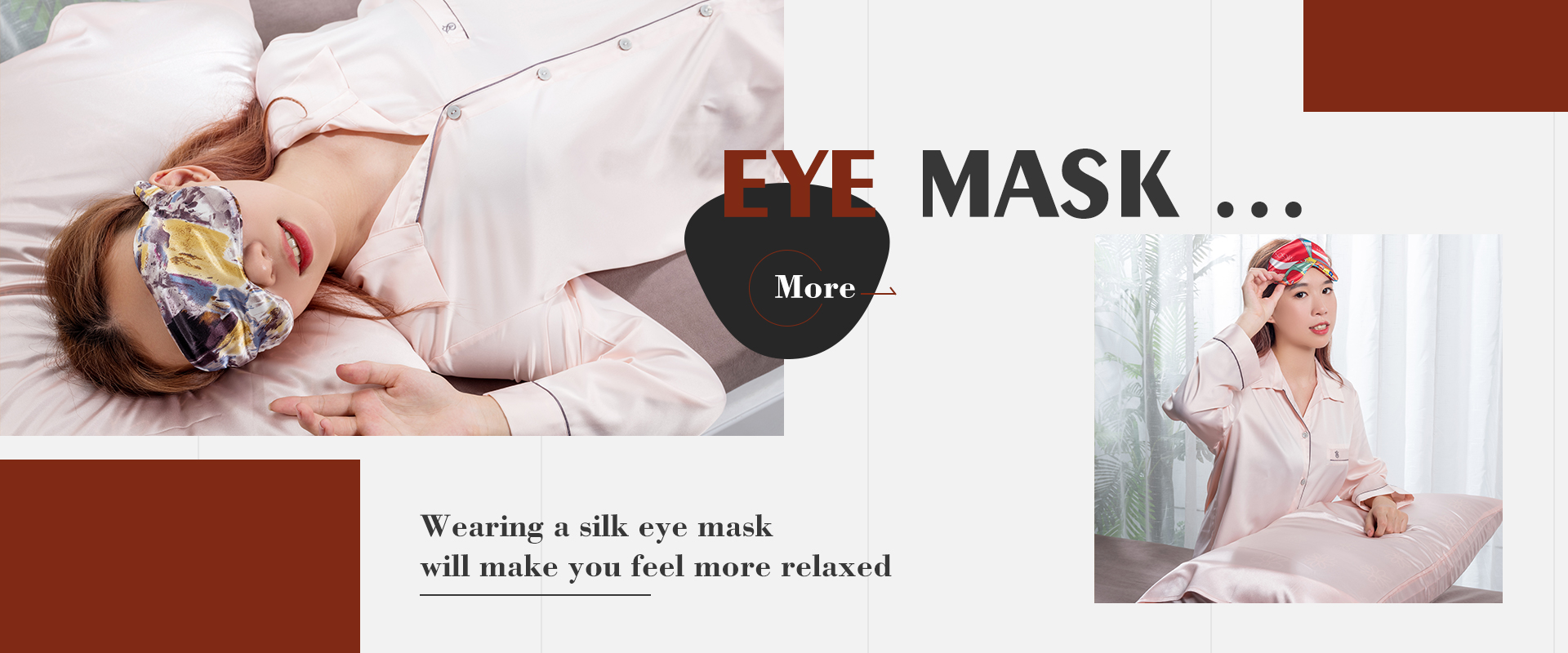 Premium silk satin elastic hair ties — 19 momme charmeuse with natural rubber elastic, Oeko-Tex Standard 100 Class I certified for German natural cosmetics retail
About the Author
Echo Xu is International Business Director at Wonderful Textile Trading Co., Ltd. (嵊州市华锦贸易有限公司), with 12 years in silk trade and B2B procurement. She manages supply partnerships with hospitality chains, retail brands, and distributors across 30+ countries — specializing in silk specifications, quality certification, and factory-direct pricing structures for hotel procurement teams and premium retail brand private label programs.
Facebook: Echo Xu on Facebook
YouTube: Wonderful Textile YouTube Channel
Post time: Jun-24-2026