
Silk Bonnet vs. Satin Bonnet: Which Is Better for Your Hair?
Are your customers asking about the best way to protect their hair overnight, confused by the “silk” versus “satin” options flooding the market? Many want to know the real difference before they buy. The primary difference between a silk bonnet and a satin bonnet lies in their material: silk is a natural protein fiber, while satin is a weave, often made from synthetic polyester. While both offer a smooth surface to reduce hair friction, a silk bonnet provides superior breathability, moisture retention, and hypoallergenic properties due to its natural composition, making it generally more beneficial for long-term hair health and comfort.
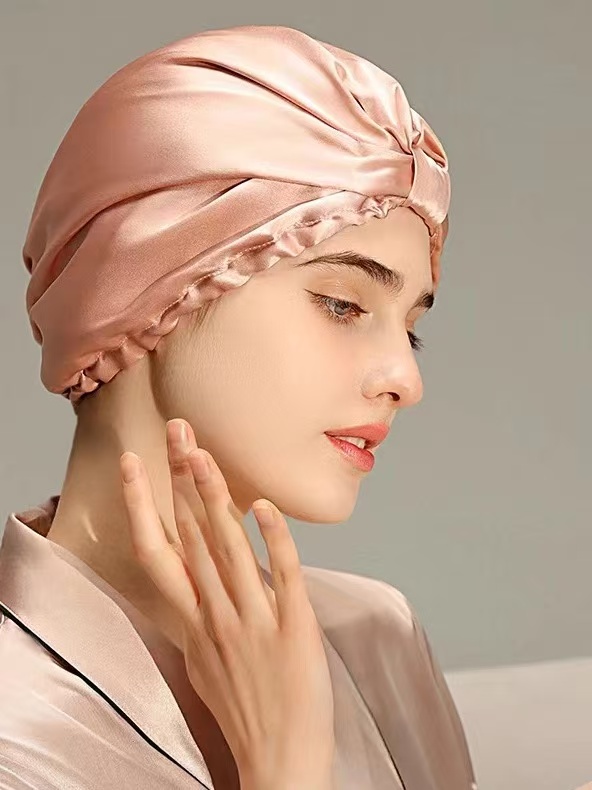
In my nearly 20 years with WONDERFUL SILK, I’ve seen countless conversations about hair protection. Understanding the core distinctions between materials is crucial for making the right choice.
Silk Bonnet vs. Satin Bonnet: Which Is Better?
Many people use “silk” and “satin” interchangeably, but this is a big mistake when it comes to hair care. Understanding the real difference is key. When choosing between a silk bonnet and a [satin bonnet]https://www.cnwonderfultextile.com/poly-bonnet-bonnet/), [silk bonnet]https://www.cnwonderfultextile.com/silk-bonnet-bonnet/)s are generally better for hair health due to their natural properties. Silk offers superior breathability and temperature regulation, reduces friction more gently, and is less absorbent, helping hair retain its natural moisture. Satin, usually made from polyester, provides smoothness but lacks silk’s natural benefits for optimal hair protection and scalp health.
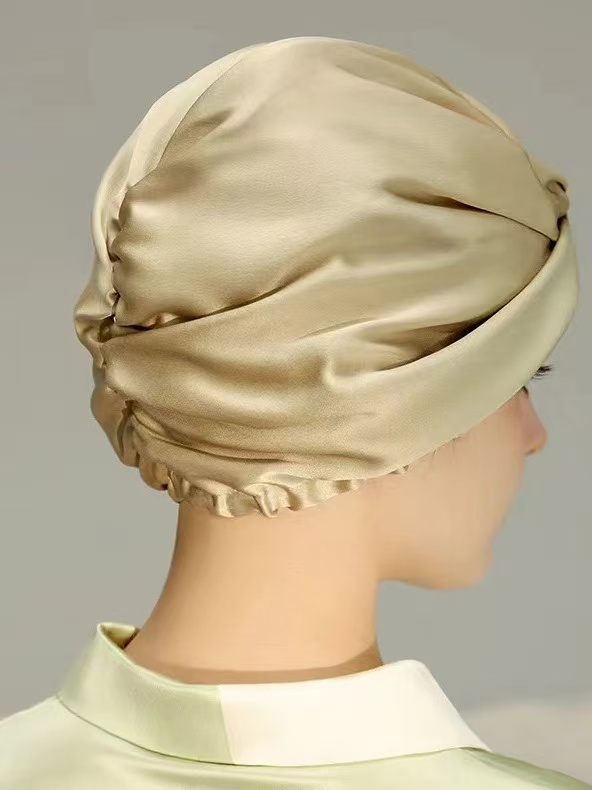
I always advise my clients at WONDERFUL SILK to educate their customers on this. It builds trust and ensures they get the best product for their needs.
The Advantages of a Silk Bonnet?
A true silk bonnet brings a host of benefits that go far beyond just looking good. It is a genuine investment in hair health.
| Benefit Area | Silk Bonnet Mechanism | Impact on Hair Health |
|---|---|---|
| Reduced Friction | Ultra-smooth natural protein fibers. | Prevents frizz, breakage, split ends, and tangles. |
| Moisture Retention | Less absorbent than cotton or synthetic satin. | Keeps hair hydrated, maintains natural oils, extends life of styles. |
| Breathability | Natural fiber allows air circulation. | Prevents scalp sweating, reduces product buildup, promotes scalp health. |
| Temperature Regulation | Adapts to body temperature. | Keeps scalp cool in summer, warm in winter; comfortable sleep. |
| Hypoallergenic | Naturally resistant to dust mites, mold, and fungi. | Reduces scalp irritation, good for sensitive scalps. |
| A real silk bonnet, especially one made from 100% mulberry silk like those from WONDERFUL SILK, offers significant advantages. First, its natural protein structure creates an incredibly smooth surface. This smoothness drastically reduces friction between the hair and the bonnet. This means less snagging, pulling, and rubbing that can lead to frizz, breakage, and split ends. Your hair glides freely. Second, silk is naturally less absorbent than other materials. This is crucial for retaining hair’s natural oils and applied hair products. Unlike cotton, which can wick moisture away, silk helps your hair stay hydrated overnight. This is great for all hair types, especially dry, curly, or delicate hair. Third, silk is a breathable natural fiber. It allows air to circulate around your scalp, preventing overheating and excessive sweating. This contributes to better scalp health and prevents unpleasant odors or product buildup. This combination of benefits makes a silk bonnet a superior choice for protecting and nurturing your hair while you sleep. |
The Characteristics of a Satin Bonnet (Polyester)?
Satin bonnets can appear similar to silk visually, but their underlying material makes a big difference in performance and long-term hair health.
| Characteristic | Satin Bonnet (Polyester) | Impact on Hair Health |
|---|---|---|
| Material | Synthetic weave, usually polyester. | Lacks natural properties of silk. |
| Smoothness | Smooth surface from weave. | Reduces friction, but may not be as gentle or consistent as silk. |
| Breathability | Can be less breathable than natural silk. | May trap heat, lead to scalp sweating, and product buildup. |
| Moisture Absorption | Can be more absorbent than silk. | May draw some moisture from hair, though less than cotton. |
| Cost | Generally more affordable. | Accessible entry point, but compromises on natural benefits. |
| Static Electricity | More prone to static cling. | Can cause hair to become frizzy or flyaway. |
| Satin is not a fiber; it is a type of weave. This weave can be made from various materials, but most commonly, “satin bonnets” on the market are made from polyester. Polyester is a synthetic fiber. While a satin weave does give the fabric a smooth, glossy surface, which helps reduce friction against the hair, it does not possess the natural properties of silk. For example, polyester is generally less breathable than natural silk. This can lead to heat entrapment and a sweaty scalp, especially for those who tend to overheat at night. A sweaty scalp can lead to irritation or undo the benefits of overnight hair treatments. Furthermore, while satin is smoother than cotton, it might still interact with hair differently than silk. Synthetic materials can sometimes create more static electricity. This can make hair frizzy or flyaway, which defeats the purpose of wearing a bonnet. So, while satin bonnets offer some protection at a lower price point, they do not provide the full spectrum of benefits that a natural silk bonnet does. |
Conclusion
Silk bonnets are superior to satin bonnets because natural silk offers unmatched breathability, moisture retention, and gentle friction reduction, crucial for optimal hair health, making them the best choice for protecting your hair nightly.
Post time: Oct-29-2025