
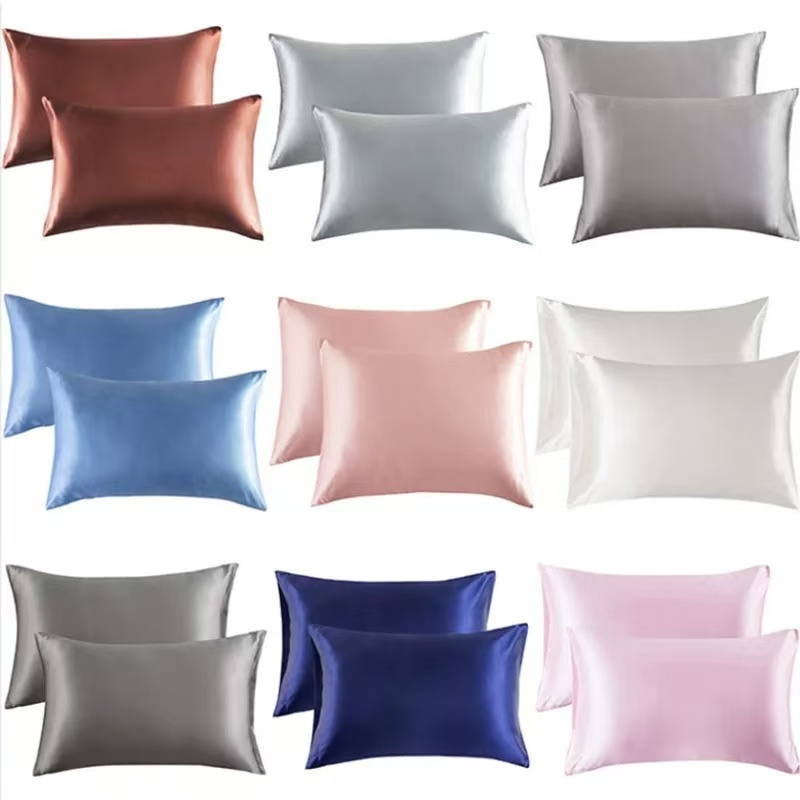
Silk pillowcases are renowned for their luxurious comfort and natural advantages. When comparing polyester satin pillowcase vs silk pillowcase options, silk stands out for its ability to minimize friction, reducing wrinkles and hair damage. Unlike polyester pillowcases, silk offers superior softness and durability, as highlighted by a recent survey where 92% of users preferred silk pillowcases. Furthermore, 90% of participants reported enhanced skin hydration when using silk pillowcases compared to polyester pillowcase alternatives.
Key Takeaways
- Silk pillowcases are smooth, so they stop wrinkles and hair breakage. They help keep skin young and hair strong.
- Silk is natural and holds moisture well. It keeps skin soft and stops dryness, unlike polyester satin, which may irritate skin.
- Buying a good silk pillowcase can improve sleep. It controls temperature and feels comfy for a long time.
Polyester Satin Pillowcase vs Silk Pillowcase: Material and Feel
What Is a Silk Pillowcase?
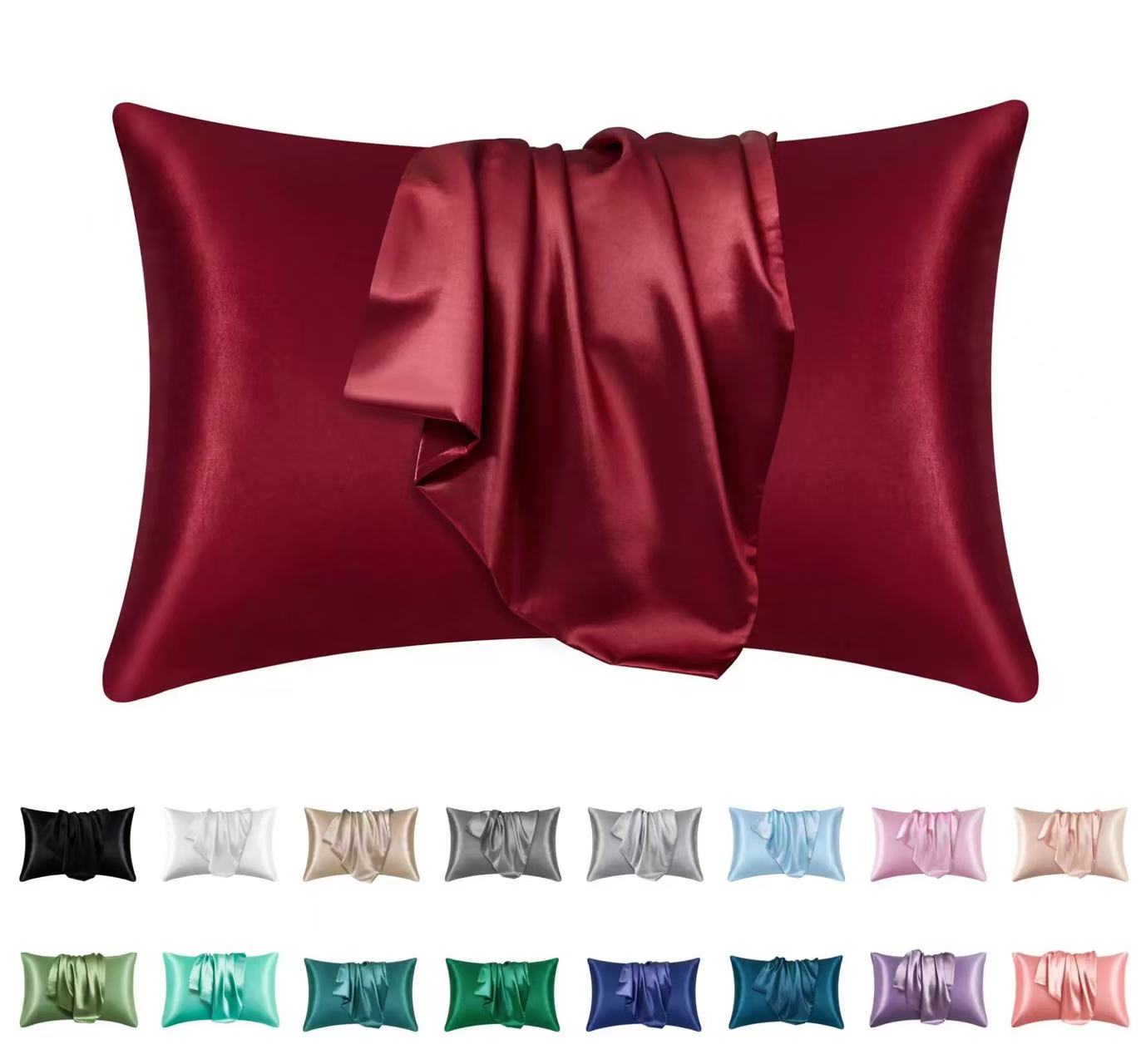
Silk pillowcases are crafted from natural fibers produced by silkworms, most commonly mulberry silk. This luxurious material is prized for its smooth texture, hypoallergenic properties, and ability to regulate temperature. Unlike synthetic fabrics, silk is breathable and allows air to circulate, keeping the sleeper cool during warm nights and warm during cooler seasons. Its natural composition also helps retain moisture, which benefits both skin and hair. A 2022 review highlighted the sustainable production of mulberry silk, emphasizing its eco-friendly and biodegradable nature.
Silk pillowcases are often associated with luxury and wellness. Their soft, frictionless surface reduces tugging on hair and skin, which can minimize breakage and wrinkles over time. These qualities make silk a popular choice for those seeking both comfort and long-term beauty benefits.
What Is a Polyester Satin Pillowcase?
Polyester satin pillowcases are made from synthetic fibers, such as polyester or rayon, woven to create a glossy, smooth finish. While the term “satin” refers to the weave rather than the material, most modern satin pillowcases are crafted from polyester due to its affordability and durability. A 2025 report noted a significant shift in satin manufacturing, with synthetic materials replacing silk in many products to meet budget-conscious consumer demands.
Polyester satin mimics the sleek appearance of silk but lacks its natural properties. It is less breathable and tends to trap heat, which can lead to discomfort for hot sleepers. Additionally, its synthetic composition may not provide the same moisture retention benefits as silk, potentially leaving skin and hair feeling dry. Despite these drawbacks, polyester satin pillowcases remain a popular choice for those seeking a cost-effective alternative to silk.
Comparing Softness, Breathability, and Temperature Regulation
When comparing polyester satin pillowcase vs silk pillowcase options, key differences emerge in softness, breathability, and temperature regulation. Silk offers unparalleled softness due to its natural fibers, creating a smooth surface that feels gentle against the skin. Polyester satin, while smooth, often feels less luxurious and may develop a slightly slippery texture over time.
Breathability is another area where silk excels. Its natural fibers allow for better airflow, helping to regulate temperature and prevent overheating. In contrast, polyester satin’s synthetic composition can trap heat, making it less suitable for those who tend to sleep hot.
The following table highlights the technical differences between the two materials:
| Material | Composition | Breathability | Moisture Retention | Hair Health Benefits |
|---|---|---|---|---|
| Silk | Natural fiber from silkworms | High | Excellent | Reduces dryness and frizz, promotes shine |
| Satin | Can be made from polyester, rayon, or silk | Moderate | Lower | Can trap heat, may increase frizz |
A 2020 study further supports silk’s advantages, noting its hydrating and breathable properties that contribute to healthier hair and skin. These qualities make silk the superior choice for those prioritizing comfort and wellness.
Tip: For individuals with sensitive skin or hair prone to damage, silk pillowcases provide a gentler and more beneficial option compared to polyester satin.
Skin and Hair Benefits of Silk vs Polyester Satin
How Silk Reduces Friction and Prevents Wrinkles
Silk pillowcases excel in reducing friction against the skin, which is a key factor in preventing wrinkles and sleep lines. Their smooth surface minimizes tugging and pulling during sleep, allowing the skin to retain its natural elasticity. Research published in the Journal of Cosmetic Dermatology highlights that silk pillowcases significantly reduce facial friction compared to cotton alternatives, resulting in smoother and less wrinkled skin over time.
Polyester satin pillowcases, while smoother than cotton, do not match silk’s ability to reduce friction. Their synthetic fibers can create a slightly abrasive texture, which may lead to increased skin irritation and the formation of sleep creases. Dermatologists often recommend silk pillowcases for individuals seeking to maintain youthful skin, as their frictionless surface supports long-term skin health.
Note: Silk’s ability to reduce friction makes it an ideal choice for those concerned about premature aging and skin damage caused by nightly pressure.
The Role of Moisture Retention in Skin and Hair Health
Moisture retention plays a vital role in maintaining healthy skin and hair. Silk pillowcases are renowned for their ability to retain and balance moisture effectively. Their natural fibers create a breathable surface that prevents excessive dryness, helping the skin stay hydrated throughout the night. Dr. Janiene Luke emphasizes that silk pillowcases are particularly beneficial for curly and textured hair, as they maintain moisture levels that reduce frizz and breakage.
Polyester satin pillowcases, on the other hand, have limited moisture retention capabilities. Their synthetic composition often leads to dryness, which can exacerbate skin irritation and hair damage. A comparative study reveals that silk pillowcases outperform satin in promoting hydration, as shown in the table below:
| Material | Moisture Retention |
|---|---|
| Silk | Retains and balances moisture effectively |
| Satin | Limited ability to manage moisture |
Silk’s moisture-retaining properties also contribute to temperature regulation, reducing sweat and irritation during sleep. These qualities make silk a superior choice for individuals seeking to enhance their skin and hair health.
Hair Damage: Silk vs Polyester Satin
Hair health is significantly influenced by the type of pillowcase used. Silk pillowcases reduce hair breakage, split ends, and frizz due to their smooth and slippery surface. This texture minimizes friction, allowing hair to glide effortlessly without tangling or pulling. A study comparing silk and polyester satin pillowcases found that silk promotes shinier and healthier hair by reducing dryness and frizz.
Polyester satin pillowcases, while smoother than cotton, lack the natural benefits of silk. Their synthetic fibers can trap heat and moisture, leading to increased frizz and potential scalp irritation. Silk’s breathable and moisture-retaining properties make it the preferred option for individuals with sensitive or textured hair.
Tip: For those struggling with hair damage or dryness, switching to a silk pillowcase can provide noticeable improvements in hair texture and overall health.
Durability, Maintenance, and Value
Longevity of Silk Pillowcases
Silk pillowcases are known for their exceptional durability, especially when crafted from high-quality mulberry silk. Their natural protein-based fibers provide resilience, allowing them to maintain their softness and structure over time. A comparison of material longevity reveals that premium silk pillowcases typically last 5 to 8 years, while high-end polyester satin pillowcases have a lifespan of 3 to 5 years.
| Material | Lifespan (Years) | Fiber Strength After 100 Washes | Notes |
|---|---|---|---|
| Premium Silk | 5-8 | 85% | Natural proteins provide resilience |
| High-End Satin | 3-5 | 90% | Synthetic fibers may show shine reduction |
Silk’s durability, combined with its luxurious feel, makes it a worthwhile investment for those seeking long-term comfort and quality.
Care Requirements for Silk and Polyester Satin
Proper maintenance is essential to preserve the quality of both silk and polyester satin pillowcases. Silk pillowcases require delicate care due to their fragile nature. Hand washing with mild detergent is recommended to prevent damage. Polyester satin pillowcases, on the other hand, are more robust and can be machine-washed using a delicates bag.
- Wash satin pillowcases every two weeks.
- Use a delicates bag for machine washing satin.
- Hand wash silk pillowcases to maintain their integrity.
While silk demands more effort in maintenance, its benefits in terms of comfort and longevity often outweigh the inconvenience.
Cost-Effectiveness: Is Silk Worth It?
Silk pillowcases may come with a higher price tag, but their long-term benefits justify the cost. A consumer survey revealed that 90% of users experienced improved skin hydration, while 76% noticed reduced signs of aging. Additionally, the global beauty pillowcase market, valued at USD 937.1 million in 2023, reflects the growing demand for silk products.
The ideal momme weight for silk pillowcases ranges from 19 to 25, ensuring a balance between durability and luxury. Higher momme weights enhance the density of silk fibers, increasing both longevity and softness. For those comparing polyester satin pillowcase vs silk pillowcase options, silk offers superior value through its durability, skin benefits, and luxurious feel.
Tip: Investing in a high-quality silk pillowcase with a higher momme weight ensures better durability and long-term satisfaction.
Silk pillowcases offer unmatched comfort, durability, and benefits for skin and hair. Their natural properties provide:
- Retention of skin hydration, reducing dryness.
- A smooth texture that minimizes wrinkles and hair breakage.
- Hypoallergenic features, resisting allergens.
- Temperature regulation for better sleep quality.
Polyester satin pillowcases remain budget-friendly but lack silk’s long-term advantages.
Note: For those prioritizing luxury and wellness, silk is the superior choice.
FAQ
What is the ideal momme weight for silk pillowcases?
The ideal momme weight for silk pillowcases ranges from 19 to 25. This range ensures durability, softness, and a luxurious feel suitable for long-term use.
Are polyester satin pillowcases hypoallergenic?
Polyester satin pillowcases are not naturally hypoallergenic. Their synthetic fibers may trap allergens, unlike silk, which resists dust mites and other irritants due to its natural properties.
Can silk pillowcases help with acne-prone skin?
Yes, silk pillowcases reduce friction and wick away moisture, creating a cleaner surface. This helps minimize irritation and supports healthier skin for individuals prone to acne.
Tip: For sensitive skin, choose silk pillowcases labeled as “mulberry silk” with a high momme weight for optimal benefits.
Post time: May-26-2025