
Silk vs. Cotton Pillowcase: Which Can Generate More Repeat Orders?
Are you wondering which type of pillowcase will keep your customers coming back for more? Choosing between silk and cotton impacts customer satisfaction and repeat business. For generating more repeat orders, silk pillowcases generally outperform cotton due to their superior benefits for skin and hair, which create a distinctive, luxurious experience. This leads to higher customer loyalty, positive word-of-mouth, and a strong desire to repurchase WONDERFUL SILK’s premium products. I have helped many businesses grow, and I know that a product that delivers real benefits is one that customers will buy again and again. Silk has a clear edge here.
Is It Better to Sleep on a Silk or Cotton Pillowcase?
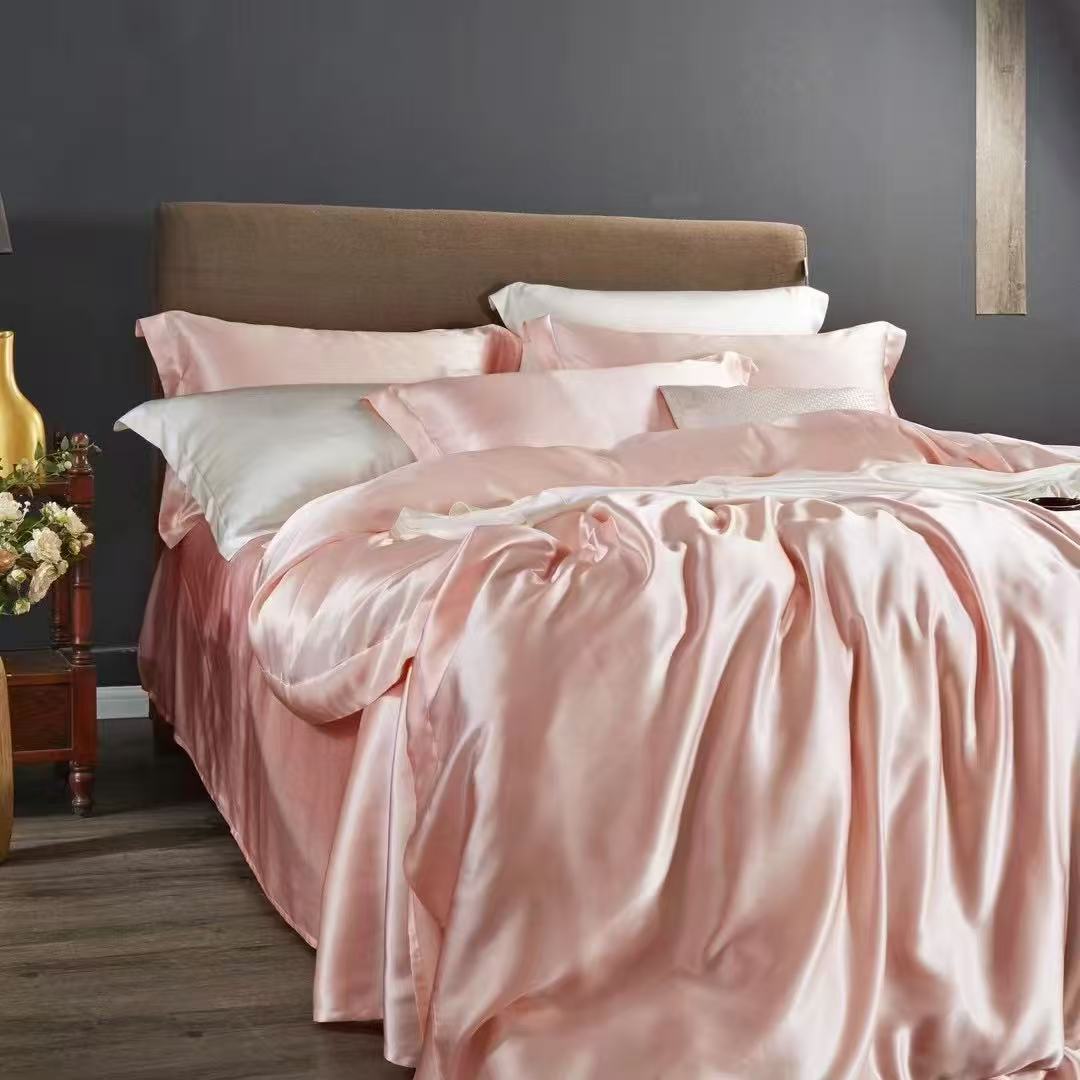
This is a fundamental question for anyone looking for the best sleep experience. The material you choose makes a big difference. Sleeping on a silk pillowcase is generally better than cotton, especially for skin and hair health. Silk’s smooth surface reduces friction, preventing hair tangles and skin creases, while its less absorbent nature helps skin and hair retain moisture, unlike cotton which can strip natural oils. When I first learned about the science behind silk, it clicked. It is not just about luxury; it is about real, tangible benefits.
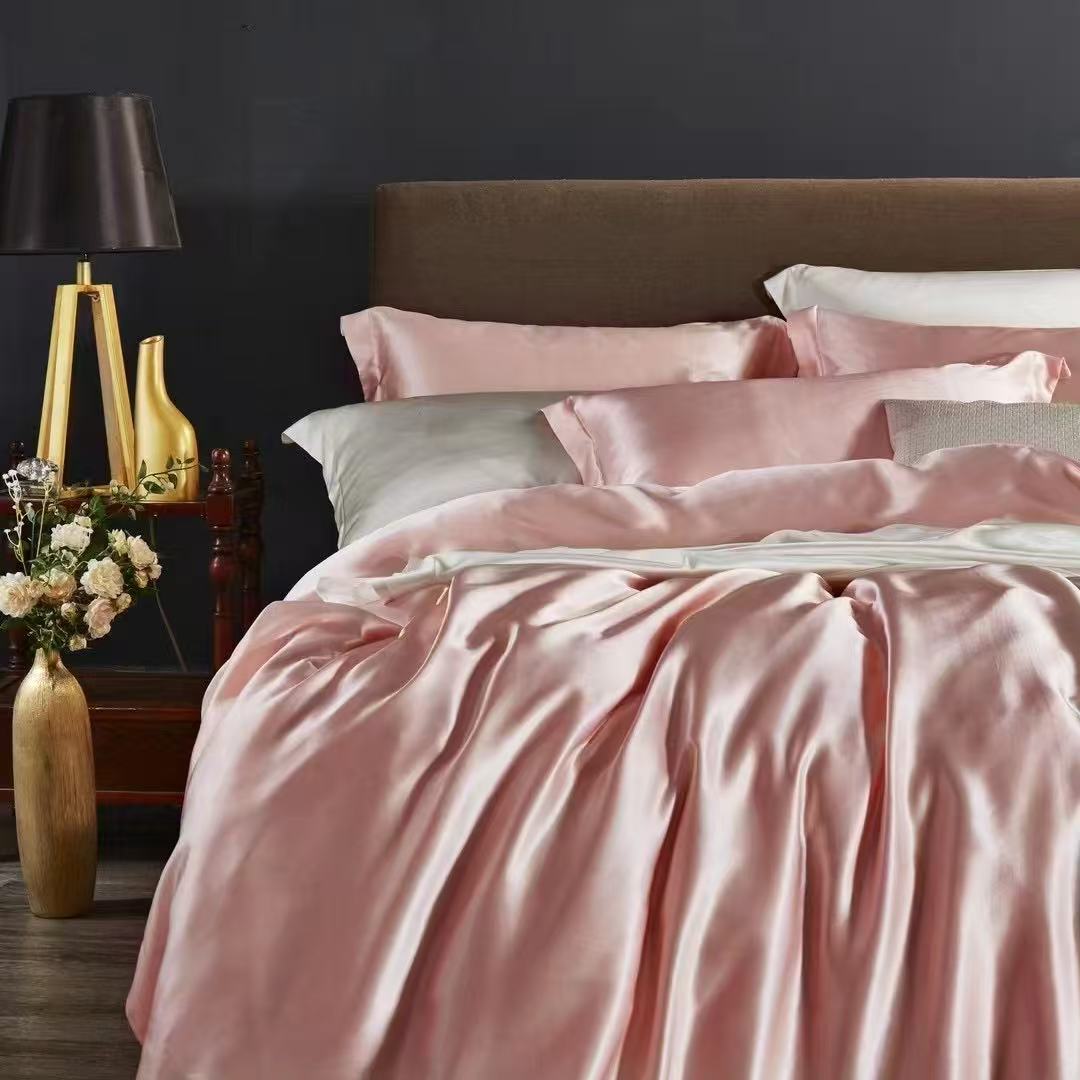
Many of my customers switch to silk specifically for their hair. The difference is often dramatic.
| Silk Benefit for Hair | Explanation | Result for Hair |
|---|---|---|
| Reduced Friction | Silk’s smooth surface allows hair to glide. | Less frizz, fewer tangles, reduced breakage |
| Moisture Retention | Silk is less absorbent than cotton. | Hair stays hydrated, less dry, less prone to split ends |
| Less Static | Silk’s natural properties reduce static charge. | Smoother hair, less “bed head” |
| Gentle on Extensions | Protects delicate hair treatments. | Helps extensions last longer, less pulling |
| Think about rubbing your hair against a rough surface versus a smooth one. Cotton fibers have a tiny, abrasive texture. When you move in your sleep, this creates friction against your hair. This friction can lead to breakage, frizz, and tangles. It is like constantly rubbing your hair with sandpaper. Silk, however, has an incredibly smooth surface. Your hair glides over it. This greatly reduces friction, leading to less hair damage, fewer split ends, and smoother, shinier hair. Also, cotton absorbs moisture. It takes hydration from your hair and skin. Silk does not absorb much moisture. So, your hair stays hydrated throughout the night. This keeps it from drying out. This is a big reason why WONDERFUL SILK pillowcases are a favorite for hair care. |
How Does Silk Benefit Skin?
Besides hair, silk offers equally impressive benefits for your skin. This is a key selling point for many customers.
| Silk Benefit for Skin | Explanation | Result for Skin |
|---|---|---|
| Reduced Friction | Less pulling and tugging on delicate facial skin. | Helps prevent sleep creases, reduces fine lines |
| Moisture Retention | Allows skin to retain its natural oils and applied products. | Hydrated skin, less dryness, better product absorption |
| Hypoallergenic | Naturally resistant to dust mites, mold, and fungi. | Good for sensitive skin, reduces allergic reactions |
| Non-Irritating | Smooth, breathable surface. | Less irritation, calming for conditions like acne or eczema |
| When you sleep on a cotton pillowcase, the rough fibers can pull and tug at your delicate facial skin. This creates friction that can lead to “sleep creases” or wrinkles. Over time, these can become permanent. Silk’s smooth surface lets your skin glide across it. This reduces pressure and friction, helping to minimize those sleep crea
ses. Also, cotton is very absorbent. It can soak up moisture from your skin and any expensive night creams or serums you apply. This means your skin loses hydration and your products do not work as effctively. Silk is much less absorbent. It allows your skin to retain its moisture and lets your skincare products stay on your face, where they belong. Many dermatologists also recommend silk because it is naturally hypoallergenic. This means it is gentle on sensitive, acne-prone, or irritated skin. |
What Are the Disadvantages of a Cotton Pillowcase?
While cotton is popular, it comes with several downsides compared to silk. Recognizing these can highlight silk’s value. Cotton pillowcases have several disadvantages, including increased friction that can cause hair breakage and skin creases, high absorbency that strips moisture from skin and hair, and their tendency to harbor dust mites and allergens, making them less ideal for sensitive individuals or those seeking superior beauty benefits. I have dealt with textiles for a long time. Cotton is a good general fabric, but for sleep, it has clear drawbacks that silk overcomes.
How Does Cotton Harm Hair?
The texture of cotton, while soft to the touch, is not ideal for hair while you sleep. The microscopic structure matters. Cotton fibers, when viewed closely, have a more irregular and slightly rough texture. This creates friction when your hair rubs against it throughout the night. This friction leads to a few problems. It can ruffle the hair cuticle, causing frizz, particularly for curly or delicate hair types. It also increases the chances of tangles and knots, especially for long hair. I have seen clients whose hair looks visibly damaged from consistent use of cotton pillowcases. This constant rubbing can also lead to hair breakage and split ends. So, while cotton feels soft, it is not smooth enough to protect your hair from damage during sleep.
How Does Cotton Affect Skin?
Cotton’s absorbency, a useful trait for towels, is a disadvantage for skin care in a pillowcase. It literally draws moisture away. Cotton is known for its absorbency. It wicks away sweat and moisture well. But this means it also absorbs the natural oils from your skin and any skincare products you apply before bed. This can lead to drier skin, especially for those with already dry skin types. It can also make your expensive night creams less effective since a significant portion gets absorbed by the pillowcase, not your skin. The friction from cotton can also contribute to sleep lines on your face. Because cotton is not as smooth as silk, it can pull and crease the skin as you shift in your sleep. Over time, these creases can deepen. This is why many people who prioritize skin health avoid cotton pillowcases.
Do Dermatologists Recommend Silk Pillowcases?
When health professionals endorse a product, it speaks volumes. Dermatologists often have strong opinions on sleep surfaces. Yes, many dermatologists and beauty experts recommend silk pillowcases over cotton. They cite silk’s smooth, low-friction surface for preventing skin creases and its less absorbent nature for helping skin retain moisture. They also value its hypoallergenic properties, making it an excellent choice for sensitive or acne-prone skin. When I hear feedback from dermatologists about our WONDERFUL SILK products, it confirms what we already know: silk is truly beneficial for health and beauty.
Why Do Dermatologists Endorse Silk?
Dermatologists are concerned with skin health and preventing damage. Silk’s properties directly address many of these concerns.
| Dermatologist’s Reason | Explanation of Benefit |
|---|---|
| Reduce Sleep Creases | Silk’s smooth texture minimizes friction on skin, preventing temporary creases from becoming permanent wrinkles. |
| Maintain Skin Hydration | Silk does not absorb moisture from skin like cotton, allowing skin to retain natural oils and applied products. |
| Hypoallergenic Qualities | Naturally resistant to dust mites, mold, and fungi, which are common allergens and irritants for sensitive skin. |
| Gentle on Acne-Prone Skin | Less friction and bacterial buildup helps reduce irritation and breakouts for those with acne or eczema. |
| Minimize Hair Damage | (Though not their primary focus) They acknowledge hair health impacts skin via friction or product transfer. |
| Dermatologists understand the mechanics of skin aging and irritation. The friction caused by cotton can stretch and pull delicate facial skin. This can contribute to the formation of fine lines and wrinkles. Silk, by reducing this friction, helps to protect the skin barrier. Also, for individuals with sensitive skin, acne, or eczema, the smooth, non-irritating surface of silk is very beneficial. It reduces the likelihood of flare-ups. The fact that silk is less likely to harbor dust mites and other allergens is also a significant plus for dermatologists. It offers a cleaner, healthier sleep environment. This expert endorsement boosts confidence in our WONDERFUL SILK products. |
Does Hair Also Play a Role in Dermatologist Recommendations?
While dermatologists focus on skin, hair health is often related. Problems with hair can affect the scalp and face. When hair breaks or frizzes due to friction from cotton, it can lead to more hair products being used. These products can then transfer to the face and cause breakouts. Also, scalp health is part of dermatology. A healthy scalp is less prone to irritation and conditions. By promoting healthier hair, silk indirectly supports a clearer scalp and fewer skin problems on the face. So, while their main focus is skin, dermatologists recognize the holistic benefits of silk in contributing to overall beauty and well-being. This comprehensive benefit is why silk pillowcases, like those from WONDERFUL SILK, are increasingly recommended by professionals.
Conclusion
Silk pillowcases offer superior benefits for skin and hair by reducing friction and retaining moisture compared to cotton, leading to greater customer satisfaction and repeat orders.
Post time: Oct-28-2025