
The silk hair tie market in the US and Europe shows significant growth. Consumers increasingly choose these accessories for their remarkable hair health benefits, durability, and luxurious feel. Fashion trends, coupled with a preference for sustainable and premium products, drive this demand. This expanding market offers substantial future opportunities for innovation and growth.
Key Takeaways
- More people in the US and Europe want silk hair ties.
- Silk hair ties are good for hair health and last a long time.
- People like silk hair ties because they are fancy and good for the environment.
The Current Landscape of Silk Hair Ties
Market Size and Valuation of Silk Hair Ties (2023-2024)
The market for silk hair ties has experienced significant expansion in 2023 and 2024. Consumers increasingly recognize the benefits of silk for hair health, driving this growth. This segment, while a niche within the broader hair accessories market, shows robust valuation. Its premium positioning contributes to higher average selling prices compared to conventional hair ties. Market analysts observe a steady upward trajectory, indicating strong consumer confidence and willingness to invest in quality hair care products.
Key Players and Competitive Dynamics in the Silk Hair Tie Market
The silk hair tie market features several prominent brands, each employing distinct competitive strategies. These companies differentiate themselves through material quality, price points, and unique selling propositions. For instance, some brands focus on ultra-premium silk, while others prioritize affordability and accessibility.
| Brand | Material Quality | Price Point | Key Differentiator |
|---|---|---|---|
| Slip® Silk Scrunchies | 22-momme mulberry silk, praised for durability and seam quality | Higher (~$14 each) | Dermatologist recommended, premium feel |
| Kitsch Silk Hair Ties | 19-momme silk | Affordable multi-packs (~$18 for 5) | Value-oriented, accessible |
| Zala Pure Silk Bands | Pure silk | Not specified | Minimalist design, strong elastic core, discreet styling for professionals |
This competitive landscape encourages innovation in design, material sourcing, and marketing. Brands often highlight the specific benefits of their silk, such as reduced hair breakage or frizz prevention.
Overview of the Broader Hair Accessories Market
The broader hair accessories market provides a significant context for the growth of silk hair ties. This larger market encompasses a wide array of products, including headbands, clips, and various types of hair ties. In 2024, the hair accessories market in Europe generated a revenue of USD 4,710.5 million. Experts project this market will reach USD 9,342.9 million by 2033, demonstrating a Compound Annual Growth Rate (CAGR) of 7.9% from 2025 to 2033. Europe accounted for 20.1% of the global hair accessories market in 2024. This robust overall growth creates a fertile environment for specialized segments like silk hair ties to flourish.
Drivers Fueling Demand for Silk Hair Ties
Consumer Awareness of Hair Health Benefits from Silk Hair Ties
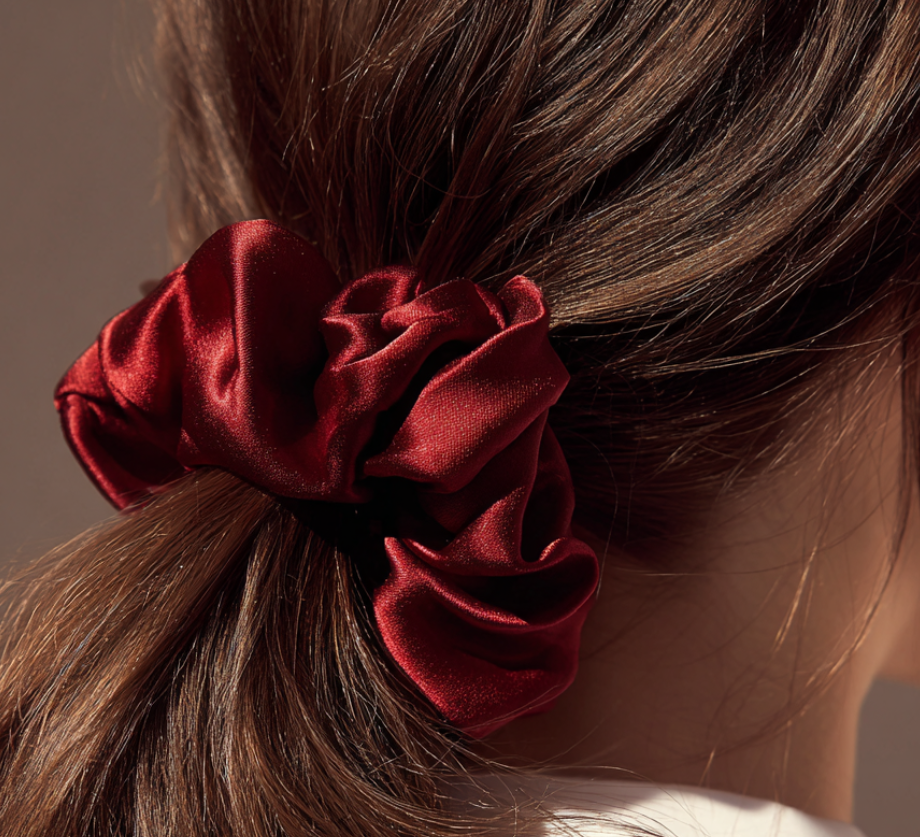
Consumers increasingly recognize the significant hair health benefits of silk hair ties. These accessories reduce hair breakage and friction, which helps maintain hair integrity. They also contribute to increased hydration and smooth frizz. Silk is naturally hypoallergenic, protecting hair from breakage by not absorbing natural moisture like cotton. Its smoother material minimizes dents and damage, keeping hair sleek and frizz-free. Dermatologists and trichologists recommend silk due to its low-friction properties, which prevent kinks and creases. This makes silk beneficial for various hair types, including curly, fine, color-treated, or damaged hair, leading to visibly healthier strands.
Growing Preference for Natural and Sustainable Silk Hair Ties
A growing number of consumers prioritize natural and sustainable products. Approximately 20% of market consumers make eco-conscious purchasing decisions, choosing accessories from natural or recyclable materials. About 25% of consumers prioritize sustainability, driving demand for biodegradable materials. The “Other Hair Accessories” category, which includes wood, leather, or eco-friendly materials, shows increasing demand for organic options. This trend aligns perfectly with the natural origin of silk, making silk hair ties a preferred choice for environmentally aware buyers.
Influence of Social Media and Beauty Influencers on Silk Hair Tie Trends
Social media platforms and beauty influencers significantly shape consumer trends for silk hair ties. E-commerce and social media platforms are crucial for market growth. Online retail and social commerce platforms, including Etsy, Instagram, and TikTok, accelerate sales and influence trends. These platforms provide microbrands with visibility and direct access to consumers. Influencers and bloggers use platforms like Instagram and TikTok to showcase trendy hairstyles, directly influencing purchasing decisions. Manufacturers utilize these platforms to launch new products, amplifying their reach and enhancing brand recognition.
The Premiumization Trend in Personal Care and Silk Hair Ties
The premiumization trend in personal care extends to hair accessories. Consumers show a willingness to invest more in high-quality products that offer superior benefits. A silk hair tie typically costs between $5 and $12, while standard scrunchies range from $1 to $3. Luxury brands like Slip and Kitsch price their silk scrunchies between $20 and $35. This higher price point reflects the perceived value and benefits of silk, such as reduced hair damage and a luxurious feel, aligning with consumers’ desire for premium self-care items.
Increased Disposable Income and Investment in Self-Care with Silk Hair Ties
Increased disposable income among consumers fuels greater spending on personal grooming products, including hair accessories. Consumers actively seek hair ties made from natural and sustainable materials like silk, driven by growing environmental consciousness. There is a surge in demand for hair ties that prioritize hair health, featuring snag-free designs and gentle materials. Silk, with its soft texture and gentle hold, becomes a popular choice for minimizing hair damage, reflecting a broader investment in self-care and well-being.
Regional Analysis of Silk Hair Tie Markets
US Market Dynamics for Silk Hair Ties
The United States market for silk hair ties demonstrates significant expansion. American consumers increasingly prioritize hair health and seek gentle styling solutions. This drives a strong demand for premium hair accessories. Social media platforms and beauty influencers play a crucial role. They showcase the benefits of silk, such as reduced breakage and frizz. This widespread awareness contributes to the market’s rapid growth. Consumers readily invest in products offering tangible hair care advantages.
European Market Dynamics for Silk Hair Ties
The European silk hair tie market presents a substantial valuation. In 2024, the satin hair scrunchie segment alone achieved a value of USD 320 million. Europe boasts a rich fashion heritage. Its consumers possess high disposable incomes. They consistently value quality and craftsmanship in their purchases. Key markets within Europe include the United Kingdom, Germany, and France. Demand is consistently driven by ongoing fashion trends. The popularity of hair-friendly accessories also contributes. An increasing focus on sustainable and locally sourced products further boosts this market.
Comparative Growth Rates and Market Penetration of Silk Hair Ties
Both the US and European markets show robust growth for silk hair ties. Europe’s market penetration benefits from its well-established fashion industry and a discerning consumer base. These consumers often seek out luxury and sustainable items. The US market, conversely, experiences rapid adoption. This comes from widespread beauty trends and effective influencer marketing. While both regions value hair health, European consumers exhibit a slightly stronger inclination towards products with a strong heritage and sustainable credentials. The US market, however, often sees quicker trend cycles, leading to faster initial uptake of popular items.
Wenderful: A Key Player in the Silk Hair Tie Market
Wenderful’s Commitment to Quality and Innovation in Silk Hair Ties
Wenderful establishes itself as a significant entity in the silk hair tie market. The company prioritizes both quality and innovation in its product development. Wenderful ensures its silk hair ties meet high standards. They use 100% pure mulberry silk. This material provides superior softness and strength.
| Feature | Wenderful’s Standard |
|---|---|
| Material | 100% Pure Mulberry Silk |
| Momme Weight | 25 Momme |
| Elastic | Durable and fully covered |
| Construction | Seamless or expertly stitched design |
| Color and Finish | Consistent sheen and color |
| Size Variety | Standard, Oversized |
| Unique Selling Point | Superior thickness, direct manufacturer quality |
Advantages of Wenderful Silk Hair Ties
Wenderful silk hair ties offer distinct advantages to consumers. Their 25 momme weight signifies superior thickness. This thickness contributes to enhanced durability and a luxurious feel. The elastic within each tie is durable and fully covered. This design prevents hair snagging and breakage. Wenderful also provides a variety of sizes, including standard and oversized options. This caters to different hair types and styling preferences. The consistent sheen and color reflect the brand’s attention to detail.
Wenderful’s Market Position and Future Growth
Wenderful holds a strong market position due to its commitment to direct manufacturer quality. This approach allows the company to maintain strict control over its production processes. It also ensures consistent product excellence. As the demand for premium hair accessories continues to rise, Wenderful is well-positioned for future growth. Their focus on high-quality materials and innovative design aligns with consumer preferences for effective and luxurious self-care items. The brand’s reputation for superior thickness and craftsmanship will likely drive further expansion in the market.
Challenges and Opportunities in the Silk Hair Tie Market
Market Challenges for Silk Hair Ties
The silk hair tie market faces several hurdles. Fluctuating raw material prices pose a significant challenge. Geopolitical tensions also affect international trade, causing market volatility. These factors lead to supply chain disruptions. Such disruptions are often exacerbated by global events and climate change. Authenticating genuine mulberry silk can be difficult for consumers. This creates a need for stringent quality control to maintain consistent colorfastness. High production costs also impact profitability. Furthermore, competition from synthetic fibers presents a constant threat.
Growth Opportunities for Silk Hair Ties
Despite challenges, the silk hair tie market offers substantial growth opportunities. Brands can expand into emerging markets. These include regions like Asia Pacific, Latin America, and parts of Africa. Rising disposable incomes and growing interest in fashion drive demand there. Localized marketing strategies and collaborations with local influencers can boost sales. Developing eco-friendly and sustainable products also attracts consumers. Investing in ethical silk production methods, such as peace silk or Ahimsa silk, appeals to environmentally conscious buyers. Diversifying product lines, perhaps exploring silk’s applications in cosmetics, can generate new revenue streams. Utilizing online retail platforms allows silk producers to reach a global customer base. This increases market penetration and revenue.
Future Outlook for Silk Hair Ties (2025-2026)
Projected Market Growth and Size of Silk Hair Ties by 2026
The silk hair tie market anticipates continued robust growth through 2026. Experts project the global hair scrunchies market will reach $4.53 billion by 2032. Silk varieties will lead this expansion. Increased health consciousness among consumers drives this trend. Social media influence also plays a significant role in boosting demand. Consumers increasingly recognize the superior benefits of silk for hair health. This awareness translates into higher sales and market penetration for silk hair ties. The market will likely see sustained investment and innovation.
Emerging Trends and Consumer Preferences for Silk Hair Ties
Several key trends will shape the silk hair tie market in the coming years. Consumers show a strong preference for premium materials. High-end brands now incorporate luxurious materials like silk and velvet into scrunchie designs. This elevates them beyond basic hair ties. Brands such as Slip, known for silk pillowcases, have successfully expanded into silk hair accessories.
Eco-friendly alternatives also see growing demand. Companies offer scrunchies made from recycled fabrics or organic materials. Brands like EcoScrunch and EarthKind prioritize sustainability with unique patterns and colors. Consumers increasingly seek hair accessories offering both functionality and sustainability. This drives the “premiumization” of hair accessories, especially organic silk. Consumers are more aware of hair health and sustainable beauty practices.
Innovation in scrunchie designs will continue. Expect new styles such as oversized bows or embellished patterns. These designs allow for personal style expression. A trend towards handmade and locally sourced scrunchies supports small businesses and artisans. This ensures crafted accessories and reduces transportation emissions. Brands also prioritize sustainable packaging, using recyclable or biodegradable materials.
Consumers increasingly look for specific certifications to ensure sustainability and ethical sourcing.
- GOTS (Global Organic Textile Standard): This certification ensures a minimum of 70% organic fibers. It prohibits harmful chemicals and guarantees ethical labor practices.
- OEKO-TEX Standard 100: This certification tests for harmful substances. It verifies products are free from toxic dyes and chemicals, ensuring skin-safe materials.
Transparency in sourcing and certification becomes crucial for building brand trust. This shift towards eco-friendly materials and personalized designs indicates a strong consumer preference for sustainable and ethical options.
Strategic Recommendations for Brands and Retailers of Silk Hair Ties
Brands and retailers can optimize sales and inventory management in the evolving silk hair tie market. Implementing tighter production runs based on weekly sales velocity data proves effective. This helps manage stock efficiently. Retailers should use bundling strategies, like the Silk Scrunchie Set, to move slower SKUs faster. Negotiating shorter lead times with sustainable material suppliers reduces safety stock needs.
Reviewing the Inventory Turnover Ratio (ITR) weekly, not just monthly, is essential due to fashion volatility. The target ITR range for trend-driven retail is 4x to 6x annually. This means inventory should turn every 60 to 91 days. An ITR below 4x indicates potentially outdated inventory. Tracking ITR separately for high-volume staples versus limited-edition designs provides clearer insights. If ITR drops, immediately flag purchasing managers to halt non-essential new orders.
Focus on high-demand materials. Prioritize sourcing hair ties made from durable and hair-friendly materials like silk. This meets consumer demand for damage-free products. Offering customization options, such as custom logos and colors, attracts B2B clients seeking unique, branded products. Leveraging bulk purchasing by offering competitive pricing and volume discounts capitalizes on high sales volumes of multipacks. Highlight key features like secure hold, gentle materials, and comfort in marketing materials. This appeals to both B2C and B2B customers. Continuously monitor emerging trends, such as unique designs (e.g., spiral coils, satin scrunchies) and new color palettes. This helps brands stay ahead of the competition. The significant sales of premium, hair-friendly accessories like silk head scarves indicate a strong market for silk hair ties due to their gentle properties.
The silk hair tie market will experience sustained robust growth through 2026. Consumers consistently demand hair health benefits and premium products. This enduring preference creates significant opportunities for market participants. They can innovate and expand within this evolving, health-conscious, and luxury-driven landscape.
FAQ
What makes silk hair ties better for hair health?
Silk hair ties reduce friction and pulling. This minimizes hair breakage and frizz. They also help hair retain its natural moisture.
Why are consumers choosing sustainable silk hair ties?
Consumers increasingly prefer natural and eco-friendly products. Silk is a natural fiber. This aligns with their desire for sustainable and biodegradable options.
How does Wenderful ensure quality in its silk hair ties?
Wenderful uses 100% pure 25 momme mulberry silk. They also feature durable, fully covered elastic. This ensures superior thickness and strength.

Post time: Jan-09-2026