
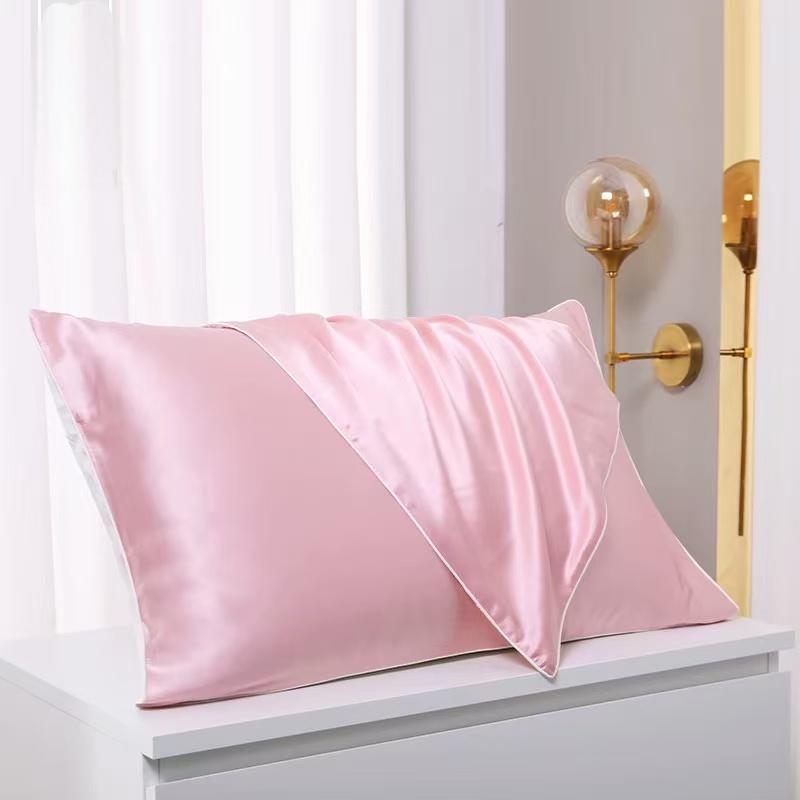
Silk pillowcases offer more than just luxury; they protect skin and hair while enhancing comfort. Their smooth texture reduces friction, which helps prevent hair tangling and split ends. Skin benefits from less tugging, minimizing fine lines. Unlike cotton, silk retains moisture and resists bacteria, potentially reducing acne. Proper care ensures these benefits last. Neglect leads to fading, wear, and a shorter lifespan. Following a Silk Pillowcase Care Guide: How to Extend Product Lifespan for Clients preserves their elegance and functionality.
Key Takeaways
- Taking care of silk pillowcases keeps them soft for years. Wash them gently with mild soap to keep them nice.
- Let silk pillowcases air-dry flat, away from sunlight. Avoid heat to stop damage and keep their bright colors.
- Store silk pillowcases in a cool, dry spot with breathable fabric. This keeps them safe from dust and moisture, lasting longer.
Why Proper Care Matters
Benefits of Maintaining Silk Pillowcases
Proper care ensures silk pillowcases remain soft and luxurious for years. Washing and drying them correctly preserves the delicate fibers, which helps maintain their smooth texture. This softness is essential for reducing friction on hair and skin, preventing damage like split ends and fine lines. Regular cleaning also removes oils and dead skin cells that can accumulate over time. Without this step, the fabric may degrade, losing its quality and elegance.
Avoiding high heat during drying is another critical aspect of care. Excessive heat can weaken silk fibers, causing the pillowcase to lose its shape and vibrant color. By following a Silk Pillowcase Care Guide: How to Extend Product Lifespan for Clients, users can enjoy the full benefits of their investment while extending the product’s lifespan.
Risks of Improper Care
Neglecting proper care can lead to several issues. Harsh detergents or improper washing methods may cause the fabric to fade or weaken. Over time, this can result in tears or fraying, making the pillowcase unusable. Using high heat during drying can shrink the material or create permanent wrinkles, diminishing its appearance and functionality.
Improper storage also poses risks. Exposure to dust, moisture, or direct sunlight can damage silk, leading to discoloration or mold growth. These issues not only reduce the pillowcase’s lifespan but also compromise its ability to provide the intended benefits for skin and hair.
Silk Pillowcase Care Guide: How to Extend Product Lifespan for Clients
Hand Washing Tips
Hand washing is the safest method for cleaning silk pillowcases. It minimizes the risk of damage to delicate fibers and preserves the fabric’s softness and sheen. To begin, fill a basin with lukewarm water. Add a mild pH-neutral detergent, ensuring it is safe for silk. Gently swirl the pillowcase in the water without rubbing or wringing it. This prevents fiber breakage and maintains the integrity of the silk.
After washing, rinse thoroughly with cool water to remove all detergent residue. Avoid twisting or squeezing the fabric, as this can cause creases or weaken the fibers. Instead, press the pillowcase gently between two towels to absorb excess water. This method ensures the silk remains smooth and retains its luxurious texture.
Tip: Always wash silk pillowcases separately to prevent color bleeding or snagging from other fabrics.
Machine Washing Tips
Machine washing can be a convenient option for cleaning silk pillowcases, but it requires extra care to avoid damage. Use a mesh laundry bag to protect the fabric from friction and snagging during the wash cycle. Select the delicate cycle on the washing machine and set the water temperature to cold. Cold water helps maintain the silk’s integrity and prevents shrinkage.
When washing, group similar colors together to avoid color bleeding. If the machine lacks a delicate cycle, opt for a gentle cycle with a low temperature setting (maximum 30 degrees). After washing, air-dry the pillowcases flat, away from direct sunlight. This prevents fading and ensures the fabric retains its vibrant color.
- Use a mesh laundry bag to minimize friction.
- Wash with cold water on a delicate or gentle cycle.
- Air-dry flat, avoiding direct sunlight.
Recommended Detergents for Silk
Choosing the right detergent is crucial for maintaining the quality of silk pillowcases. A mild pH-neutral detergent is essential to prevent damage to the delicate fibers. Detergents with bleaches, brighteners, or enzymes should be avoided, as they can harm the fabric.
Several detergents are specifically formulated for silk care. Options like MANITO Delicate Laundry Detergent and Woolite® Delicates are highly recommended. These products are gentle on silk and help preserve its softness and shine.
- Use a pH-neutral detergent for washing silk.
- Avoid commercial stain cleaners and alkaline detergents.
- Recommended detergents: MANITO Delicate Laundry Detergent, Woolite® Delicates.
- Never use bleach, fabric softeners, or general-purpose detergents.
Note: Always check the detergent label to ensure it is safe for silk fabrics.
How to Dry Silk Pillowcases
Air Drying Techniques
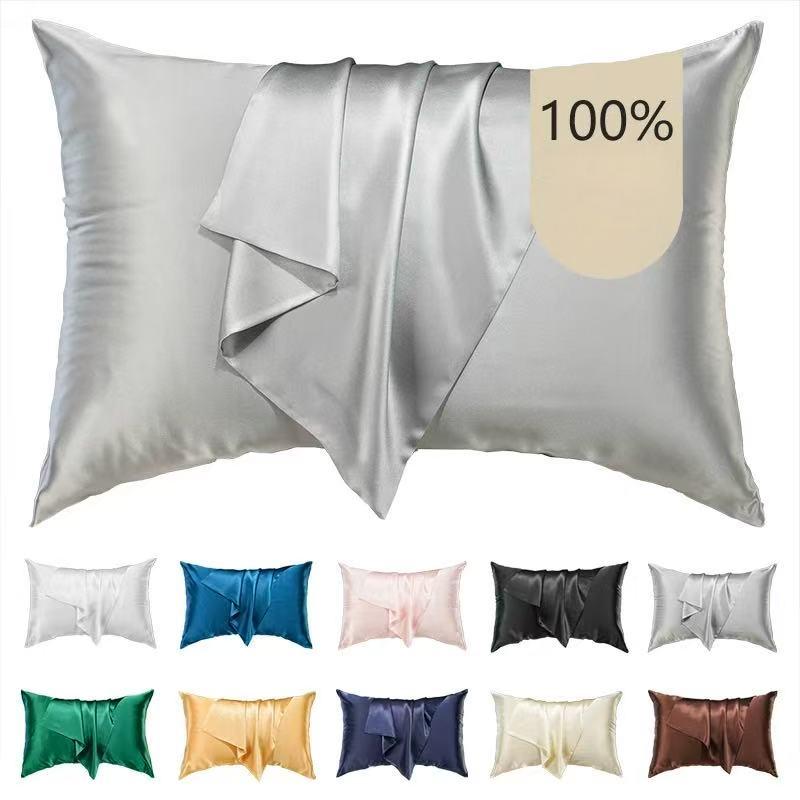
Air drying is the safest method for drying silk pillowcases. It helps preserve the fabric’s natural softness and prevents damage to the delicate fibers. To begin, lay the pillowcase flat on a clean, dry towel. Roll the towel gently with the pillowcase inside to remove excess water. Avoid wringing or twisting the fabric, as this can cause creases or weaken the fibers.
Once the excess water is removed, place the pillowcase on a flat surface or hang it on a padded hanger. Ensure it is kept away from direct sunlight, as UV rays can fade the vibrant colors of silk. A well-ventilated area is ideal for air drying, as it allows the fabric to dry evenly without retaining moisture.
Tip: Avoid hanging silk pillowcases on rough surfaces or sharp edges to prevent snags or tears.
Avoiding Heat Damage
Heat can severely damage silk pillowcases, causing shrinkage, discoloration, or loss of softness. Avoid using a tumble dryer, as the high temperatures can weaken the fabric’s fibers. Instead, rely on air drying to maintain the pillowcase’s quality.
If faster drying is necessary, use a fan or place the pillowcase in a shaded area with good airflow. Never use a hairdryer or any direct heat source, as this can harm the silk. Following the Silk Pillowcase Care Guide: How to Extend Product Lifespan for Clients ensures the fabric remains luxurious and durable for years.
Note: Always check the care label for specific drying instructions provided by the manufacturer.
How to Store Silk Pillowcases
Choosing the Right Storage Location
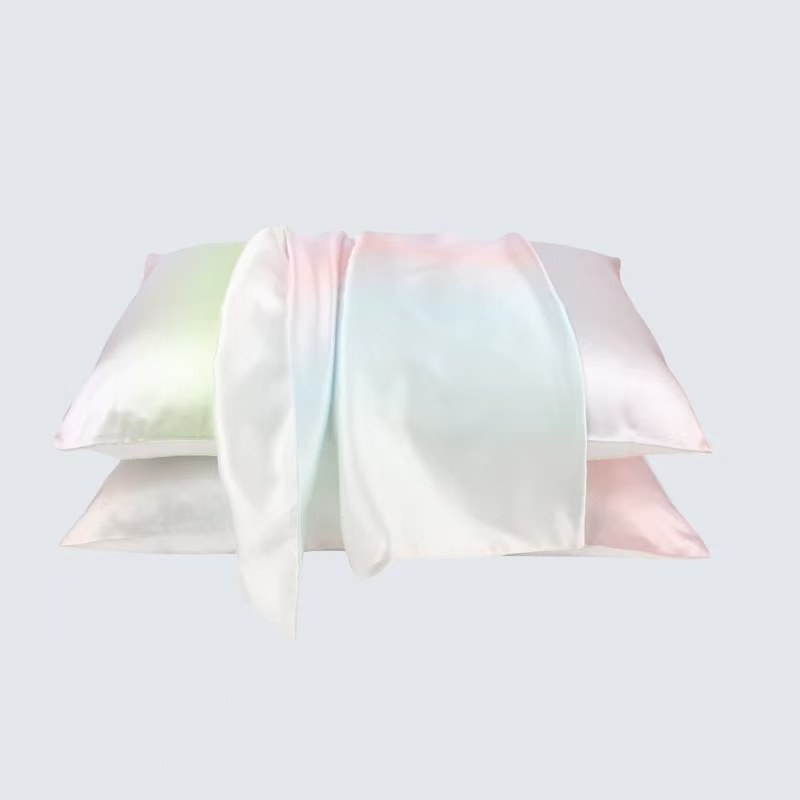
Proper storage plays a vital role in maintaining the quality of silk pillowcases. A cool, dry, and dark place is ideal for storing silk. Excessive heat or humidity can weaken the fibers and cause discoloration. Closets or drawers lined with soft, breathable fabric provide a safe environment. Avoid storing silk near direct sunlight, as UV rays can fade its vibrant colors over time.
To prevent creases, fold the pillowcases gently and avoid placing heavy items on top of them. Using acid-free tissue paper between folds can help maintain their shape and prevent wrinkles. For long-term storage, consider using a breathable cotton bag. This protects the silk from dust while allowing air circulation, which is essential for preserving its natural softness.
Tip: Avoid plastic storage bags, as they trap moisture and can lead to mold growth.
Protecting Silk from Dust and Moisture
Dust and moisture are two of the biggest threats to silk pillowcases. Dust particles can settle into the fibers, making them appear dull and reducing their lifespan. Moisture, on the other hand, can lead to mold or mildew, which permanently damages the fabric. To protect silk, store it in an environment with stable humidity levels.
Studies show that controlled environments with low air exchange rates and stable humidity significantly reduce exposure to damaging elements. For example, a showcase with an air exchange rate of 0.8 per day maintains relative humidity better than naturally ventilated spaces, which experience up to five air changes daily. This stability is crucial for preserving delicate materials like silk.
Using silica gel packets in storage areas can help absorb excess moisture. Regularly cleaning storage spaces also minimizes dust accumulation. By taking these precautions, silk pillowcases can retain their luxurious feel and appearance for years.
Note: Always ensure silk is completely dry before storing to prevent moisture-related damage.
Silk Pillowcase Maintenance Tips
How to Remove Stains from Silk
Removing stains from silk pillowcases requires a gentle approach to avoid damaging the delicate fabric. Acting quickly when a stain occurs increases the chances of successful removal. Several expert-recommended methods can help tackle common stains effectively:
- Soak the pillowcase in a mixture of cool water and white vinegar for about five minutes. This solution helps break down stains without harming the silk fibers.
- Apply freshly squeezed lemon juice directly to the stained area. Let it sit for a few minutes before rinsing thoroughly. Sunlight can enhance this method, but avoid prolonged exposure to prevent fading.
- Use silk-safe detergents specifically formulated for delicate fabrics. These products clean without causing damage or discoloration.
- For spot treatment, dab the stain gently with a cotton ball soaked in hydrogen peroxide or rubbing alcohol. This method works well for small, stubborn stains.
- Mix two parts water with one part household ammonia for tougher stains. Apply the solution carefully and rinse immediately to avoid overexposure.
Tip: Always test any cleaning solution on a hidden area of the pillowcase before applying it to the stain. This ensures the fabric’s color and texture remain intact.
Restoring Shine and Softness
Over time, silk pillowcases may lose their natural luster and softness due to regular use and washing. Restoring these qualities is possible with a few simple steps:
- Combine ¼ cup of white distilled vinegar with 3.5 liters of lukewarm water. Submerge the silk pillowcase completely in this solution. The vinegar helps remove residue from detergents and restores the fabric’s shine.
- After soaking, rinse the pillowcase thoroughly with cool water to eliminate any vinegar smell. Avoid wringing or twisting the fabric to maintain its smooth texture.
- For added softness, use a silk-specific fabric conditioner during the final rinse. This step enhances the luxurious feel of the pillowcase.
Note: Avoid using harsh chemicals or fabric softeners not designed for silk, as they can damage the fibers and reduce the fabric’s lifespan.
How Often to Wash Silk Pillowcases
Regular washing is essential for maintaining the hygiene and quality of silk pillowcases. However, over-washing can weaken the delicate fibers. Striking the right balance ensures the pillowcases remain clean and durable.
- Wash silk pillowcases every one to two weeks under normal use. This frequency removes oils, sweat, and dead skin cells that accumulate over time.
- For individuals with acne-prone skin or allergies, washing once a week is recommended. This practice minimizes the buildup of bacteria and allergens.
- Always follow the Silk Pillowcase Care Guide: How to Extend Product Lifespan for Clients to ensure proper washing techniques. Hand washing or using a delicate machine cycle with cold water preserves the fabric’s integrity.
Tip: Rotate between multiple silk pillowcases to reduce wear and extend their lifespan.
Caring for silk pillowcases ensures their longevity and luxurious feel. Follow these essential tips:
- Wash gently with pH-neutral detergent.
- Air-dry flat, avoiding heat and sunlight.
- Store in cool, dry spaces with breathable fabric.
Reminder: Consistent care preserves silk’s elegance and benefits for skin and hair. Treat them well to enjoy their beauty for years!
FAQ
How can I prevent silk pillowcases from yellowing?
Avoid exposing silk to direct sunlight and harsh detergents. Wash regularly with a pH-neutral detergent and rinse thoroughly to remove residues that cause discoloration.
Tip: Store silk in a cool, dark place to maintain its color.
Can I iron silk pillowcases to remove wrinkles?
Yes, use a low-heat setting on the iron. Place a clean cotton cloth over the silk to protect it from direct heat and avoid damage.
Note: Always check the care label for ironing instructions.
Are silk pillowcases suitable for sensitive skin?
Silk pillowcases are hypoallergenic and gentle on sensitive skin. Their smooth texture reduces irritation and friction, making them ideal for individuals with skin sensitivities.
Emoji:
Post time: May-09-2025