
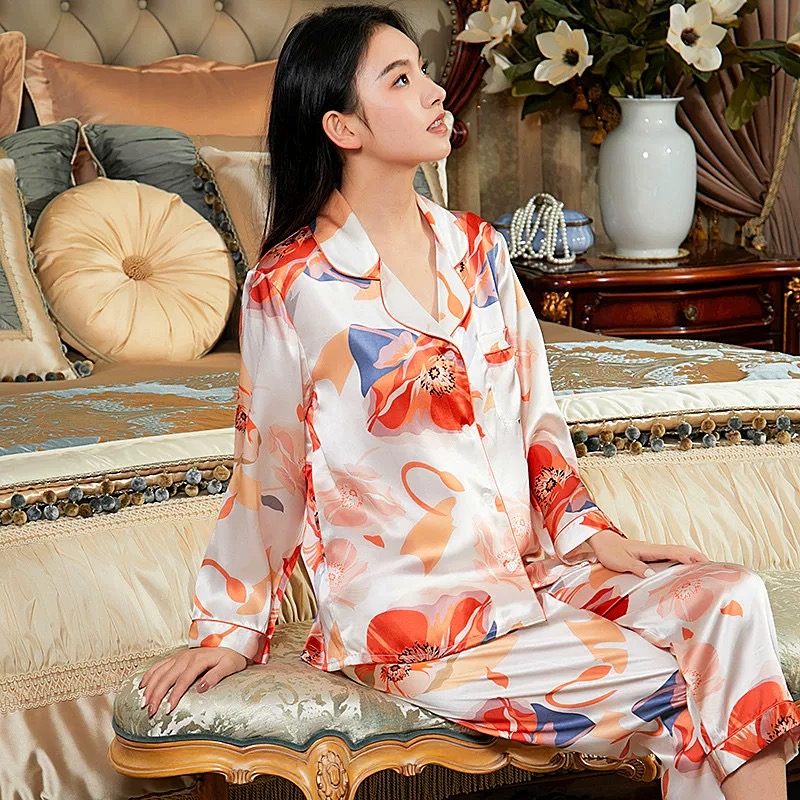
Selecting the best silk pajamas manufacturers for boutiques is crucial for the success of boutique businesses. High-quality manufacturers guarantee superior product standards, which directly impact customer satisfaction and brand loyalty. The rising demand for silk sleepwear, driven by increasing disposable incomes and seasonal trends, underscores the necessity for dependable production partners. With over 60% of consumers shopping online, boutiques must focus on manufacturers who can consistently provide premium products to meet the changing market expectations.
Key Takeaways
- Pick makers that use top-quality silk, like Mulberry silk. This ensures your products are strong and feel fancy.
- Find makers with OEKO-TEX and GOTS labels for safe, green production.
- Work with makers who let you customize designs. This helps create special silk pajamas that customers will love.
Quality of Materials and Craftsmanship

Importance of High-Grade Silk
High-grade silk plays a pivotal role in the production of premium sleepwear. Mulberry silk, recognized globally as the finest, is produced by silkworms that consume only Mulberry leaves. Its Grade A classification ensures long, smooth strands with a luminous finish and minimal impurities. These qualities enhance the durability, softness, and overall appeal of silk pajamas, making them a preferred choice for discerning customers. For boutiques, sourcing from the best silk pajamas manufacturers for boutiques ensures access to this superior material, which directly impacts customer satisfaction and brand reputation.
Certifications and Standards for Quality Assurance
Certifications serve as a benchmark for quality and safety in silk production. Two key certifications include:
- OEKO-TEX Certification: Guarantees that textiles are free from harmful substances, ensuring consumer safety.
- GOTS Certification: Focuses on organic production, promoting eco-friendly practices and ethical working conditions.
Manufacturers adhering to these standards demonstrate their commitment to quality and sustainability. Additionally, industry-standard tests such as the Conditioned Weight Test and Visual Inspection assess silk’s weight, color uniformity, and texture. The table below highlights these tests:
| Test Type | Description |
|---|---|
| Conditioned Weight Test | Measures the weight of silk under controlled conditions to assess quality. |
| Visual Inspection | Assesses uniformity of color, luster, and feel of the silk. |
| General Finish Assessment | Evaluates the presence and degree of defects in the silk lot. |
| Grading of Silk | Classifies silk into various grades based on quality, with Mulberry silk recognized as the highest. |
Attention to Detail in Stitching and Finishing
The craftsmanship of silk pajamas extends beyond the material. Precision in stitching and finishing ensures a flawless product. Manufacturers must focus on even seams, reinforced edges, and smooth finishes to prevent fraying. Attention to these details reflects the expertise of the best silk pajamas manufacturers for boutiques. Customers notice these subtle elements, which contribute to the overall luxury and longevity of the product.
Customization Options
Unique Design Capabilities
Boutiques thrive on offering unique products that set them apart from competitors. Manufacturers with advanced design capabilities enable boutiques to create exclusive silk pajama collections tailored to their target audience. For instance, Sugarfina, a luxury candy brand, introduced a “Design Your Own Candy Bento Box®” feature. This customization option led to a 15% year-over-year increase in Black Friday sales, demonstrating how personalized products can boost customer engagement and drive revenue. Similarly, the best silk pajamas manufacturers for boutiques provide tools and expertise to craft distinctive designs, ensuring boutiques can cater to niche markets and build a loyal customer base.
Branding and Private Labeling Services
Private labeling allows boutiques to establish their brand identity by offering products under their own label. Manufacturers specializing in private labeling help boutiques enhance their market presence and profitability. Research shows that private labels achieved a 5.6% value sales growth over 12 months, with regions like the Middle East and Latin America experiencing growth rates of 34.3% and 14.2%, respectively. Additionally, retailers earn 25–30% higher gross margins on private labels compared to manufacturer brands. By partnering with manufacturers offering branding services, boutiques can increase their profit margins while delivering high-quality, branded silk pajamas to their customers.
Flexibility in Sizes and Styles
A diverse customer base requires a wide range of sizes and styles. Manufacturers that offer flexibility in production ensure boutiques can meet the needs of all customers, from petite to plus-size. This adaptability also extends to style variations, such as classic cuts, modern designs, or seasonal trends. By accommodating these preferences, manufacturers help boutiques maintain relevance and appeal in a competitive market.
Ethical and Sustainable Practices
Eco-Friendly Material Sourcing
Sourcing eco-friendly materials has become a cornerstone of ethical manufacturing. The best silk pajamas manufacturers for boutiques prioritize sustainable practices, such as using organic silk or recycled materials. These efforts not only reduce environmental impact but also enhance product quality and brand reputation. A study on sustainable fabric sourcing in Sweden highlights that brands focusing on eco-friendly materials are perceived as socially responsible. This perception fosters consumer trust and loyalty, ultimately strengthening customer relationships. Moreover, Environmental, Social, and Governance (ESG) management plays a pivotal role in shaping a brand’s reputation. Companies with strong ESG practices often experience increased purchase intention and loyalty from environmentally conscious consumers.
Fair Labor Practices
Ethical manufacturers ensure fair labor practices throughout their operations. This includes providing safe working conditions, fair wages, and respecting workers’ rights. Such practices not only comply with international labor standards but also reflect a commitment to social responsibility. Manufacturers adhering to these principles build trust with both consumers and business partners. For boutiques, partnering with ethical manufacturers ensures alignment with customer values, which increasingly prioritize fairness and equity in production processes.
Transparency in Supply Chain Operations
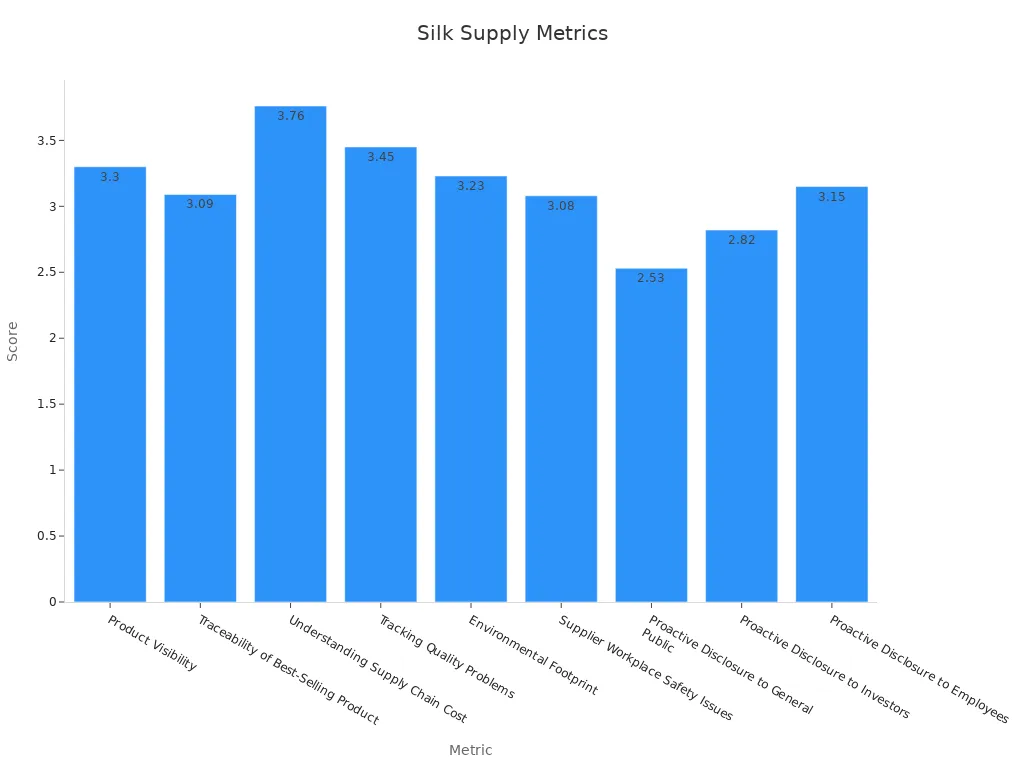
Transparency in supply chain operations is critical for maintaining product quality and ethical standards. Leading manufacturers implement systems to track materials from their origin to the final product. Metrics such as product visibility, traceability, and environmental footprint provide insights into supply chain transparency. The table below highlights key metrics used to measure transparency in silk manufacturing:
| Metric | Score (out of 6) | Description |
|---|---|---|
| Product Visibility | 3.30 | Perceived capability to track product from shelf to raw materials sources. |
| Traceability of Best-Selling Product | 3.09 | Ability to trace the best-selling product back to raw materials sources. |
| Understanding Supply Chain Cost | 3.76 | Confidence in tracking economic aspects of the supply chain. |
| Tracking Quality Problems | 3.45 | Ability to trace quality issues within the supply chain. |
| Environmental Footprint | 3.23 | Understanding of environmental impacts in the supply chain. |
Transparent operations not only improve accountability but also enhance consumer confidence. By choosing manufacturers with robust transparency practices, boutiques can ensure ethical sourcing and high-quality products.
Production Efficiency and Scalability
Meeting Deadlines Without Compromising Quality
Timely delivery is essential for boutique success. The best silk pajamas manufacturers for boutiques excel in meeting deadlines while maintaining product quality. Effective project management plays a pivotal role in achieving this balance. For example:
- A law firm faced a tight deadline due to delays from a previous provider. A team of 50 reviewers was assembled within 24 hours. They implemented a streamlined methodology, ensuring accuracy while minimizing additional quality checks.
- Ngai Kwong International Ltd. improved its on-time delivery rate to 90% by adopting advanced project management tools.
These cases highlight how structured processes and skilled oversight ensure timely production without sacrificing quality.
Capacity to Scale Production for Growing Demand
Boutiques often experience fluctuating demand, especially during peak seasons. Manufacturers with scalable production capabilities can adapt to these changes seamlessly. They maintain consistent quality even when increasing output. This flexibility allows boutiques to meet customer needs without delays or compromises, fostering trust and loyalty.
Use of Advanced Technology for Streamlined Processes
Modern technology enhances efficiency in silk pajama manufacturing. Automated cutting machines, digital pattern-making tools, and AI-driven quality checks reduce errors and improve precision. These innovations streamline production, enabling manufacturers to deliver high-quality products faster. By leveraging technology, manufacturers not only meet deadlines but also maintain the craftsmanship that customers expect.
Customer Support and Communication
Responsiveness to Inquiries and Concerns
Effective customer support begins with prompt responses to inquiries and concerns. Manufacturers that prioritize responsiveness demonstrate their commitment to boutique partners. Response Time, a key performance indicator (KPI), measures the duration between a customer’s initial contact and the manufacturer’s first reply. Shorter response times enhance satisfaction, while delays can lead to frustration.
Other critical KPIs include Customer Satisfaction and First Contact Resolution. The latter evaluates the percentage of issues resolved during the first interaction, reflecting efficiency. The table below highlights these metrics:
| KPI | Description |
|---|---|
| Customer Satisfaction | Measures how well the service provider meets customer expectations through surveys and feedback. |
| Service Responsiveness | Evaluates how quickly and effectively issues and requests are addressed by the service provider. |
| Response Time | The time taken for customer service representatives to respond to inquiries, impacting satisfaction. |
| First Contact Resolution | Percentage of customer issues resolved on the first interaction, indicating efficiency in service. |
Clear and Transparent Communication
Clear communication fosters trust and strengthens partnerships. Leading manufacturers ensure transparency by providing regular updates on production timelines, material sourcing, and potential delays. Case studies from companies like Buffer and Patagonia reveal that prioritizing transparency leads to higher net promoter scores, reflecting strong client loyalty.
Metrics such as Employee Trust Increase (38%) and Turnover Rate Reduction (25%) further illustrate the benefits of transparent practices. These benchmarks highlight how open communication positively impacts both internal operations and external relationships.
Support for Long-Term Partnerships
The best silk pajamas manufacturers for boutiques focus on building enduring relationships. They offer consistent support, adapt to evolving boutique needs, and provide insights to help businesses grow. By fostering collaboration, manufacturers ensure mutual success and long-term loyalty.
Pricing and Value for Money
Balancing Cost with Quality
Balancing cost with quality is essential for boutiques seeking premium silk pajamas. Manufacturers offering competitive pricing without compromising craftsmanship provide the best value. High-grade silk, such as Mulberry silk, often commands a higher price due to its durability and luxurious texture. However, manufacturers who optimize production processes and source materials efficiently can deliver quality products at reasonable costs. For boutiques, partnering with such manufacturers ensures they can offer premium sleepwear while maintaining profitability.
Competitive Pricing for Bulk Orders
Bulk orders often unlock significant cost savings for boutiques. Leading manufacturers employ strategic pricing models that benefit both parties. Supply chain analysis reveals that price trends fluctuate based on geopolitical developments and production costs. The table below highlights key insights into competitive pricing strategies:
| Evidence Type | Description |
|---|---|
| Supply Chain Analysis | Insights into consumption, production, and price trends by country. |
| Price Trend Analysis | Examination of price fluctuations and their implications for bulk orders. |
| Market Dynamics | Overview of competitive strategies and key players in the silk market. |
Manufacturers leveraging these strategies can offer attractive discounts for bulk purchases, enabling boutiques to scale their inventory while reducing per-unit costs. This approach supports boutique growth during peak seasons and promotional campaigns.
Identifying Hidden Costs
Hidden costs can erode profitability if not carefully managed. Transparent manufacturers disclose all expenses upfront, including shipping fees, import duties, and packaging costs. Market segmentation studies emphasize the importance of understanding supply chain dynamics to avoid unexpected charges. The table below outlines critical areas where hidden costs may arise:
| Evidence Type | Description |
|---|---|
| Competitive Analysis | Insights into financial positions and product portfolios of key players. |
| Market Segmentation | Analysis of market segments to project costs and dynamics. |
| Growth Projections | Projections for market size and associated expenses. |
By identifying these costs early, boutiques can negotiate better terms and ensure their pricing strategy remains competitive. Collaborating with the best silk pajamas manufacturers for boutiques ensures transparency and minimizes financial risks.
Selecting the best silk pajamas manufacturers for boutiques requires careful evaluation of quality, customization, ethics, and scalability. Boutiques should align their choices with their unique goals and values. Building a strong, long-term partnership ensures consistent product excellence and business growth. Manufacturers who meet these criteria become invaluable allies in boutique success.
FAQ
What certifications should boutiques look for in silk pajama manufacturers?
Boutiques should prioritize OEKO-TEX and GOTS certifications. These ensure safe, eco-friendly production and ethical labor practices, enhancing product quality and brand reputation.
How can boutiques ensure manufacturers meet deadlines?
Boutiques should request production schedules and monitor progress. Manufacturers using advanced project management tools often deliver timely results without compromising quality.
Are customization options expensive for boutiques?
Customization costs vary by manufacturer. Bulk orders and streamlined processes often reduce expenses, making unique designs affordable for boutique businesses.
Post time: May-20-2025