

Sourcing eco-friendly polyester bedding pillowcase wholesale provides businesses with an opportunity to support sustainability initiatives while catering to the growing consumer demand for environmentally conscious products. The polyester fiber market, valued at USD 103.86 billion in 2023, is expected to reach USD 210.16 billion by 2032, growing at an annual rate of 8.01%. This surge highlights the increasing preference for sustainable materials. By opting for eco-friendly polyester bedding pillowcase wholesale, companies can reduce their environmental footprint while capitalizing on a booming market. Additionally, polyester pillowcase options crafted from recycled materials offer enhanced durability and contribute to waste reduction.
Key Takeaways
- Buying eco-friendly polyester pillowcases helps the planet and pleases buyers.
- Check for labels like GOTS, OEKO-TEX, and GRS to confirm products are safe and green.
- Use less energy and water in factories to save money and protect nature.
Certifications for Eco-Friendly Polyester Pillowcases
Certifications play a vital role in verifying the sustainability and safety of eco-friendly polyester pillowcases. They provide assurance to businesses and consumers that the products meet specific environmental and ethical standards. Below are some of the most recognized certifications to look for when sourcing eco-friendly polyester bedding pillowcase wholesale.
GOTS Certification
The Global Organic Textile Standard (GOTS) is one of the most stringent certifications for textiles. While it primarily applies to organic fibers, it also covers blended materials, including polyester. GOTS ensures that the entire production process, from raw material sourcing to final manufacturing, adheres to strict environmental and social criteria.
Tip: Although GOTS is more common for organic cotton, some suppliers offer GOTS-certified polyester blends. This certification guarantees that harmful chemicals are avoided and that workers’ rights are respected.
OEKO-TEX Certification
OEKO-TEX certification focuses on product safety and the absence of harmful substances. The STANDARD 100 by OEKO-TEX is particularly relevant for polyester pillowcases. It tests for over 100 harmful chemicals, ensuring that the final product is safe for human use.
- Why it matters: OEKO-TEX certification is especially important for bedding products, as they come into direct contact with the skin.
- Key benefit: It provides peace of mind for businesses and consumers by confirming that the pillowcases are free from toxic residues.
Recycled Claim Standard (RCS)
The Recycled Claim Standard (RCS) verifies the presence and amount of recycled materials in a product. For eco-friendly polyester bedding pillowcase wholesale, this certification ensures that the polyester used comes from recycled sources, such as PET bottles.
| Key Features | Details |
|---|---|
| Material Verification | Confirms the use of recycled content in the product. |
| Traceability | Tracks the recycled material through the supply chain. |
| Consumer Trust | Builds confidence in the authenticity of recycled claims. |
Global Recycled Standard (GRS)
The Global Recycled Standard (GRS) takes the principles of RCS a step further. In addition to verifying recycled content, GRS also evaluates the environmental and social impact of the production process. This includes criteria for water usage, energy efficiency, and ethical labor practices.
Note: GRS-certified products often align with broader sustainability goals, making them an excellent choice for businesses aiming to reduce their environmental footprint.
By prioritizing these certifications, businesses can ensure that their eco-friendly polyester bedding pillowcase wholesale offerings meet high standards of sustainability and safety. These certifications not only enhance product credibility but also appeal to environmentally conscious consumers.
Sustainable Polyester Materials
Rec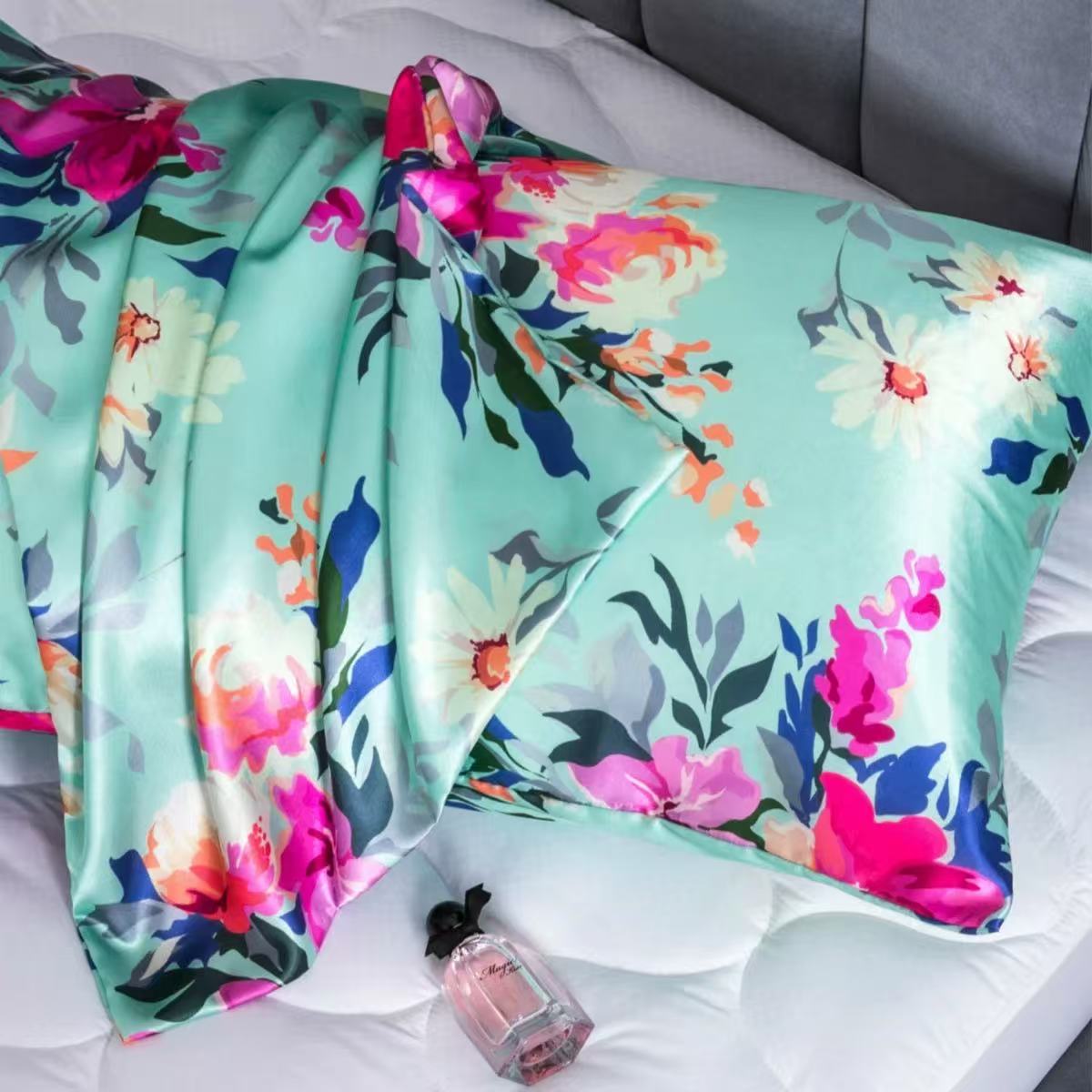 ycled Polyester (rPET)
Recycled polyester, commonly referred to as rPET, is a sustainable alternative to virgin polyester. It is produced by repurposing post-consumer plastic waste, such as PET bottles, into high-quality fibers. This process reduces the demand for new raw materials and minimizes plastic waste in landfills and oceans. Businesses sourcing eco-friendly polyester bedding pillowcase wholesale can benefit from rPET’s durability and environmental advantages.
Tip: Look for suppliers that provide Global Recycled Standard (GRS) certification to ensure the authenticity of recycled content in their products.
Eco-Friendly Dyeing Processes
Traditional dyeing methods for polyester consume large amounts of water and chemicals, leading to significant environmental harm. Eco-friendly dyeing technologies offer a sustainable solution by reducing resource consumption and pollution.
- Supercritical CO2 Dyeing: This innovative method uses supercritical CO2 as a solvent, eliminating water usage entirely. Companies like DyeCoo have adopted this technology, which also cuts energy and chemical use by half.
- Foam Dyeing: This process replaces water with air to apply dye, significantly reducing wastewater production.
- Air-Dye Technology: By injecting dye gas into fabrics using hot air, this method achieves vibrant colors without water.
Adidas, for example, saved over 100 million liters of water in 2014 by integrating DyeCoo’s technology into its production. These advancements demonstrate how eco-friendly dyeing processes can transform polyester manufacturing into a more sustainable practice.
Durability and Waste Reduction
Polyester’s inherent durability makes it a practical choice for bedding products. Recycled polyester enhances this advantage by extending the lifecycle of existing materials. Durable pillowcases require less frequent replacement, reducing overall waste. Additionally, many suppliers now focus on creating polyester blends that resist wear and tear, further promoting sustainability.
By choosing durable and eco-friendly materials, businesses can align with consumer preferences while minimizing their environmental impact. This approach not only supports waste reduction but also strengthens brand reputation in the growing market for sustainable products.
Evaluating Manufacturing Processes

Sustainable manufacturing processes are essential for reducing the environmental impact of producing eco-friendly polyester bedding pillowcase wholesale. Businesses can achieve this by focusing on energy efficiency, water conservation, and waste management practices.
Energy Efficiency
Energy efficiency plays a pivotal role in minimizing the carbon footprint of textile manufacturing. Upgrading to modern machinery and optimizing production layouts significantly reduce energy consumption. For instance, retrofitting machinery can lower energy use by 20-30%, while implementing energy-saving technologies reduces greenhouse gas emissions.
| Strategy | Impact on Energy Consumption | Impact on Carbon Emissions |
|---|---|---|
| Retrofitting machinery | 20-30% reduction in energy use | Reduces energy consumption |
| Optimizing production layouts | Minimizes energy waste | Minimizes energy waste |
| Implementing energy-saving technologies | Enhances operational efficiency | Lowers overall emissions |
Regular maintenance of equipment ensures peak efficiency, preventing unnecessary energy waste. By adopting these strategies, manufacturers can align their operations with sustainability goals while reducing operational costs.
Water Conservation
Water conservation is another critical aspect of sustainable manufacturing. Traditional textile production consumes vast amounts of water, particularly during dyeing and finishing processes. Manufacturers can adopt innovative techniques such as waterless dyeing technologies to address this issue.
Tip: Supercritical CO2 dyeing eliminates water usage entirely, offering a sustainable alternative to conventional methods. This approach not only conserves water but also reduces chemical waste.
Additionally, recycling and reusing water within production facilities can further minimize consumption. Many manufacturers now implement closed-loop systems that treat and reuse wastewater, significantly reducing their environmental impact. These practices demonstrate how water conservation can transform textile production into a more eco-friendly process.
Waste Management Practices
Effective waste management practices are crucial for reducing the environmental footprint of textile manufacturing. The industry faces significant challenges, with only 15% of used textiles being recycled and the majority ending up in landfills. Textile decomposition in landfills can take over 200 years, releasing harmful greenhouse gases and toxic chemicals.
- Recycling and reuse strategies contribute to a circular economy, reducing waste and promoting sustainability.
- Approximately 70% of studies on waste management emphasize the importance of circular economy practices for cost savings and environmental benefits.
- Implementing advanced waste management systems can prevent textiles from entering landfills, reducing greenhouse gas emissions.
Manufacturers can also repurpose production waste into new materials, further supporting waste reduction efforts. By prioritizing recycling and reuse, businesses can address the growing waste problem while enhancing their sustainability credentials.
Assessing Supplier Reputation
Reviews and Testimonials
Reviews and testimonials provide valuable insights into a supplier’s reliability and product quality. Businesses sourcing sustainable polyester pillowcases should prioritize suppliers with strong customer feedback. Positive reviews often indicate high perceived service quality, which correlates strongly with customer satisfaction.
- A significant relationship exists between perceived product quality and customer satisfaction.
- Brand image plays a crucial role in influencing customer trust and loyalty.
By analyzing reviews, businesses can gauge a supplier’s ability to meet expectations and deliver consistent quality. Testimonials from other companies in the textile industry further validate a supplier’s credibility, helping businesses make informed decisions.
Industry Experience
A supplier’s industry experience reflects their expertise and ability to adapt to market demands. Suppliers with extensive experience often demonstrate a deeper understanding of sustainable practices and material sourcing. They are more likely to have established relationships with reputable manufacturers, ensuring consistent product quality.
Experienced suppliers also tend to stay updated on industry trends, such as advancements in eco-friendly dyeing processes or recycled polyester production. This knowledge allows them to offer innovative solutions that align with sustainability goals. Businesses should evaluate a supplier’s track record and portfolio to assess their capability to deliver high-quality products.
Transparency in Supply Chain
Transparency in the supply chain is essential for ensuring ethical and sustainable sourcing. The fashion supply chain, for example, is highly fragmented, with numerous intermediaries involved. A 2019 UNECE study revealed that only one-third of the top 100 apparel companies effectively track their supply chains. Many rely on outdated systems, increasing the risk of fraud and mislabeling.
A lack of transparency can lead to severe consequences, such as unknowingly sourcing materials from regions with human rights abuses.
Businesses should seek suppliers who provide clear documentation of their sourcing practices and use digital tracking systems. Transparent suppliers build trust and demonstrate their commitment to ethical practices, making them reliable partners for long-term collaboration.
Questions to Ask Suppliers
Certifications and Standards
Certifications validate a supplier’s commitment to sustainability and ethical practices. Businesses should inquire about certifications such as OEKO-TEX, GRS, and RCS. These certifications ensure that products meet stringent environmental and safety standards. Suppliers with recognized certifications often demonstrate higher reliability and transparency. Asking for documentation of these certifications helps verify compliance and builds trust.
Tip: Request certification details upfront to avoid delays during the vetting process.
Material Sourcing Details
Understanding material sourcing is crucial for assessing a supplier’s sustainability practices. Businesses should ask suppliers about the origin of their polyester materials and whether they use recycled content. Questions about green procurement practices and supply chain management can reveal the supplier’s commitment to reducing environmental impacts.
| Strategy | Impact |
|---|---|
| Green procurement practices | Enhances brand perception and attracts environmentally conscious consumers |
| Effective supply chain management | Minimizes environmental impacts and maximizes value delivery |
| Sustainable practices integration | Increases operational efficiency and reduces costs |
Additionally, monitoring energy consumption during production can reduce waste and save costs. Suppliers who integrate sustainable practices often deliver higher value and align with eco-conscious business goals.
Environmental Impact Reduction
Suppliers should demonstrate efforts to minimize their environmental footprint. Businesses can ask about energy-efficient manufacturing processes, water conservation techniques, and waste management systems. Suppliers who adopt innovative methods, such as waterless dyeing or closed-loop systems, often achieve measurable reductions in resource consumption.
- Sustainable procurement can increase brand value by approximately 15% to 30%.
- Monitoring energy consumption can reduce it by 12% to 15%, saving manufacturers about $3.3 billion in waste.
These inquiries help businesses identify suppliers who actively contribute to sustainability while maintaining operational efficiency.
Sample Availability
Requesting product samples allows businesses to evaluate quality before committing to large orders. Samples provide insights into material durability, texture, and overall craftsmanship. Suppliers who offer samples demonstrate confidence in their products and transparency in their operations.
Note: Ensure samples are representative of the final product to avoid discrepancies in bulk orders.
Resources for Finding Suppliers
Trusted Supplier Lists
Trusted supplier lists offer a reliable starting point for businesses seeking sustainable polyester pillowcase suppliers. These lists are often curated by industry experts and organizations committed to promoting ethical sourcing. Platforms such as Textile Exchange and Ethical Fashion Forum provide directories of suppliers that meet stringent environmental and social standards. Businesses can use these lists to identify suppliers with proven track records in sustainability.
Tip: Look for lists that highlight certifications like OEKO-TEX, GRS, and Fair Trade Certified to ensure suppliers adhere to recognized standards.
Online Directories
Online directories simplify the process of finding suppliers by offering centralized databases with detailed information. Many directories include filters for certifications, sustainability practices, and product categories, making it easier to locate suppliers aligned with eco-friendly goals.
| Certification/Practice | Description |
|---|---|
| OEKO-TEX STANDARD 100 | Ensures products are free from harmful substances. |
| Climate Neutral | Indicates commitment to offsetting carbon footprint. |
| Fair Trade Certified | Ensures ethical manufacturing processes and fair wages for workers. |
| Global Recycled Standard | Certifies the use of recycled materials in products. |
| Responsible Down Standard (RDS) | Ensures down products are sourced ethically and sustainably. |
| GOTS (Global Organic Textile Standard) | Certifies organic fibers and environmentally friendly production processes. |
Directories such as Green Directory and Sustainable Apparel Coalition provide verifiable data on suppliers’ sustainability performance. These platforms help businesses make informed decisions by offering transparency and detailed supplier profiles.
Trade Shows and Industry Events
Trade shows and industry events serve as excellent opportunities to connect with suppliers face-to-face. Events like Texworld USA and Intertextile Shanghai showcase a wide range of sustainable textile suppliers, including those specializing in polyester pillowcases. Attendees can evaluate product samples, discuss manufacturing processes, and build relationships with suppliers.
Callout: Networking at trade shows often leads to exclusive partnerships and insights into emerging trends in sustainable textiles.
By leveraging these resources, businesses can streamline their search for suppliers committed to sustainability and ethical practices.
Sourcing sustainable polyester pillowcases wholesale benefits businesses and the environment. Certifications validate eco-friendly practices, while durable materials reduce waste. Ethical manufacturing ensures long-term viability.
Tip: Vet suppliers thoroughly to ensure transparency and reliability. Sustainability strengthens brand reputation, drives growth, and supports global environmental goals.
Businesses investing in sustainable sourcing align with consumer values and future market demands.
FAQ
What makes recycled polyester (rPET) a sustainable choice?
Recycled polyester reduces plastic waste by repurposing materials like PET bottles. It requires less energy to produce than virgin polyester, lowering its environmental impact. ♻️
How can businesses verify a supplier’s sustainability claims?
Businesses should request certifications like GRS or OEKO-TEX. These documents validate eco-friendly practices and ensure compliance with recognized environmental standards.
Are eco-friendly dyeing processes cost-effective for manufacturers?
Yes, innovative methods like supercritical CO2 dyeing reduce water and energy usage, lowering operational costs while minimizing environmental harm.
Post time: May-29-2025