
What’s the Real Difference Between Cheap and Expensive Silk?
Are you confused by the huge price range for silk products? This guide will teach you how to spot high-quality silk, so you can feel confident in your next purchase. High-quality silk[^1] is defined by its feel, luster, and weight. Expensive silk feels incredibly soft and smooth, has a gentle pearly sheen, and is heavier because of a higher Momme count[^2]. Cheaper silks often feel less smooth, have a plastic-like shine, and are thinner.
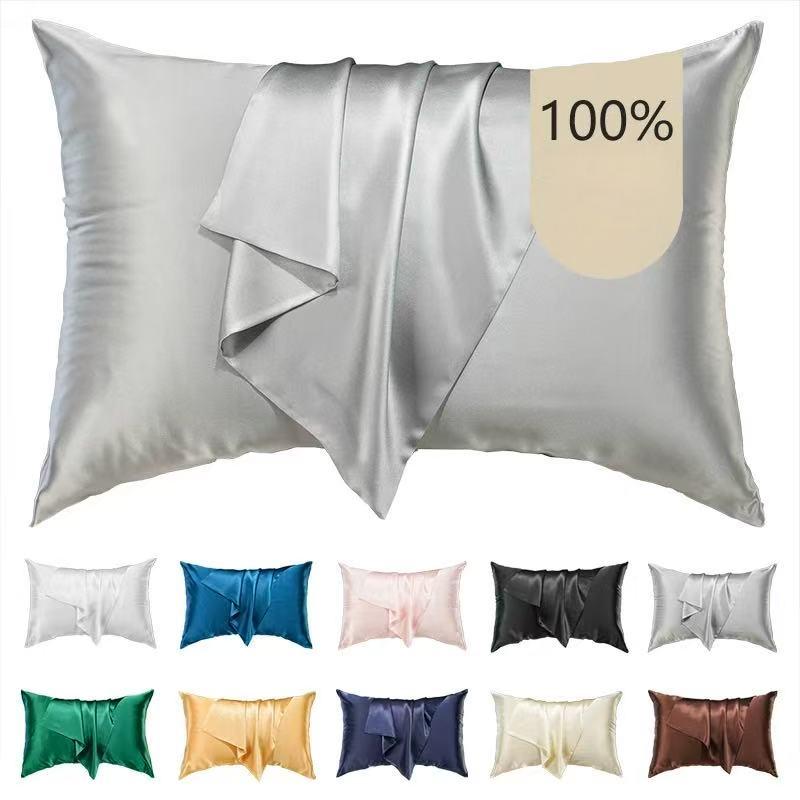
It might seem complex, but telling good silk from bad is easy once you know what to look for. As someone who has worked with silk for nearly 20 years, I can show you the simple tricks to a smart purchase. Let’s break down the key factors so you can buy with confidence and get the luxurious quality you deserve.
How can you tell if silk is high quality?
You stand in a store or browse online, but all the silk looks the same. How do you tell the good from the bad? You need simple tests to check the quality. You can spot high-quality silk by three main things: its touch, its shine, and its weight (Momme). True quality silk feels soft and cool, has a pearl-like glow that changes in the light, and feels substantial, not flimsy. It also resists wrinkling when you bunch it up. Throughout my career at Wonderful Silk, I’ve helped countless clients understand these differences. Many are surprised when they first feel our 22 Momme silk after being used to cheaper alternatives. The difference is not just visible; it’s something you can truly feel. To help you become an expert, let’s look at these tests more closely.
The Touch Test[^3]
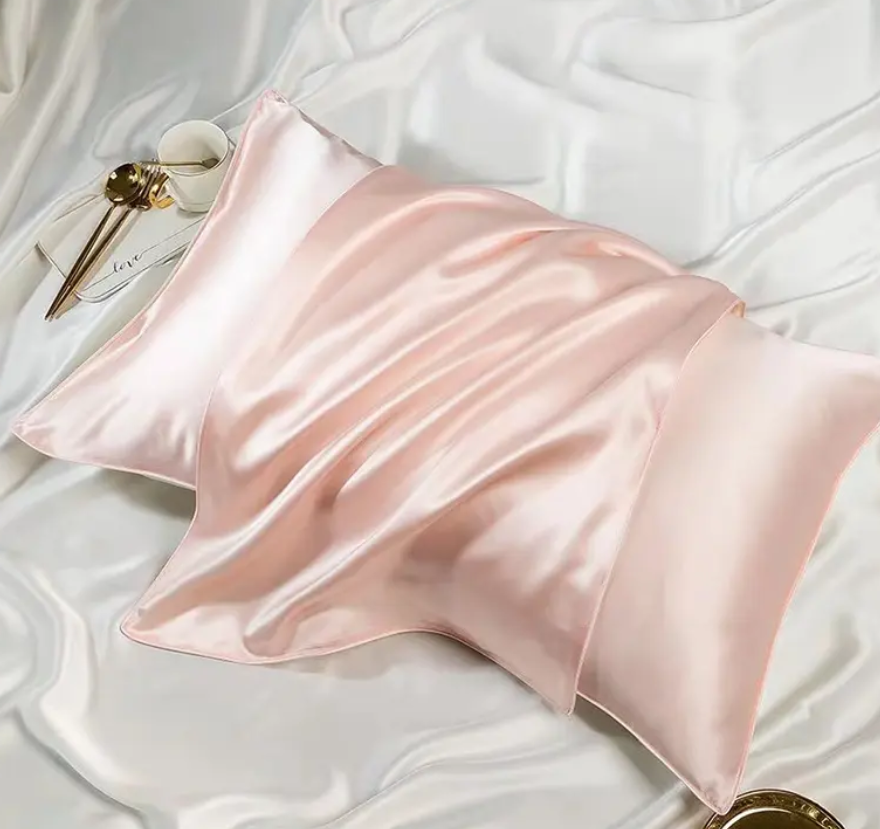
This is the simplest way to judge silk. High-quality silk[^1] has a unique feel. It should be incredibly soft and smooth, with a cool touch against your skin. When you run it through your hands, it flows like liquid. It also has a slight elasticity; if you gently pull it, it should have a little give and then return to its shape. Low-quality silk or polyester satin, on the other hand, can feel stiff, waxy, or overly slippery in a synthetic way. A great at-home test is the wrinkle test. Grab a corner of the silk and scrunch it in your hand for a few seconds. High-quality silk[^1] will have minimal wrinkling, while cheaper silk will hold the creases more easily.
The Luster and Weave Test[^4]
Next, look at how the silk reflects light. High-quality silk[^1], especially Mulberry silk[^5], has a beautiful, complex luster, not a simple shine. It should look like a pearl, with a gentle glow that seems to come from within the fabric. As you move the fabric, the light should play across the surface, creating areas of light and shadow. This is because the triangular structure of silk fibers refracts light at different angles. Synthetic satins, in contrast, have a flat, white, and overly bright shine that looks the same from every angle. Also, inspect the weave. A good silk fabric will have a tight, consistent weave with no visible flaws or snags.
| Feature | High-Quality Silk | Low-Quality or Fake Silk |
|---|---|---|
| Touch | Soft, smooth, cool, and slightly elastic. | Stiff, waxy, or overly slippery. |
| Luster | Multi-toned, pearly glow that shimmers. | Flat, white, one-dimensional shine. |
| Wrinkles | Resists wrinkling and smoothes out easily. | Wrinkles easily and holds creases. |
Which is the best quality of silk?
You’ve heard terms like Mulberry, Charmeuse, and Momme, but what do they mean? It’s confusing. You just want to buy the best silk, but the jargon makes it hard to compare. The best and highest quality silk in the world is 100% Mulberry silk[^5] with a high Momme count[^2]. Raised in captivity on a strict diet of mulberry leaves, the Bombyx mori[^6] silkworm produces the longest, strongest, and most uniform silk fibers, creating an unmatched, luxurious fabric.
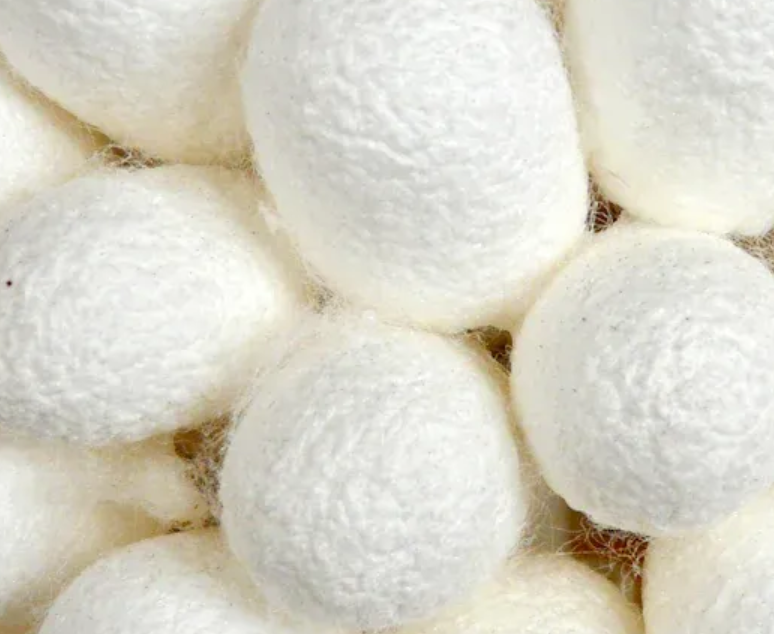
I allways tell my customers that if they are looking for the absolute best, the answer is always Mulberry silk[^5]. The care and control that go into its production result in a level of quality that other silks simply cannot match. But to fully understand why it’s the best, you also need to understand its weight, which we measure in Momme.
Why Mulberry Silk Reigns Supreme
The secret to Mulberry silk[^5]‘s superiority lies in its production. The silkworms, scientifically known as Bombyx mori[^6], are raised in a controlled environment. They are fed an exclusive diet of leaves from the mulberry tree. This careful process ensures that the silk fibers they spin for their cocoons are exceptionally long, pure white, and uniform in thickness. When these long fibers are woven into fabric, they create a material that is incredibly smooth, strong, and durable. In contrast, “wild silks” come from worms that eat various leaves, resulting in shorter, less uniform fibers that are not as soft or durable. This is why when you invest in 100% Mulberry silk[^5], you are investing in the absolute pinnacle of silk quality.
The Role of Momme in Quality
Momme (mm) is a Japanese unit of weight that is now the standard for measuring silk density. Think of it like thread count for cotton. A higher Momme number means the fabric uses more silk per square meter, making it heavier, denser, and more durable. While a lighter Momme silk is fine for delicate scarves, higher Momme count[^2]s are essential for items that see more use, like pillowcases and bonnets. For these products, I usually recommend starting with 19 Momme, but 22 or 25 Momme provides a far more luxurious experience and will last much longer with proper care.
| Momme (mm) | Characteristics | Common Uses |
|---|---|---|
| 8-16 | Lightweight, airy, often sheer. | Scarves, linings, delicate blouses. |
| 17-21 | The standard for quality apparel and bedding. | Pillowcases, pajamas, dresses. |
| 22-30+ | The most luxurious; heavy, opaque, and very durable. | Luxury bedding[^7], high-end apparel, robes. |
What are the four types of silk?
Beyond Mulberry, you see other types like Tussah and Eri. What’s the difference? This adds another layer of confusion. You just need to know what to choose for a quality product. While there are many silk varieties, they generally fall into four main types: Mulberry, Tussah, Eri, and Muga. Mulberry is the most common and highest quality. The other three are known as “wild silks,” as they are produced by silkworms that are not cultivated.
Over my 20 years in the silk industry, I’ve worked with many fabrics, but my focus has always been on providing the best for my clients. That’s why at Wonderful Silk, we almost exclusively use Mulberry silk[^5]. While wild silks have their own unique beauty, they can’t match the consistent softness, strength, and smoothness that our customers expect from a luxury product. Let’s briefly explore these four main types so you can see why Mulberry is the preferred choice for premium goods.
The Reigning Champion: Mulberry Silk
As we’ve discussed, Mulberry silk[^5] is the gold standard. It accounts for about 90% of the world’s silk supply. Produced by the Bombyx mori[^6] silkworm, its fibers are long, uniform, and naturally pure white. This allows for even dyeing and results in the smoothest, most durable silk fabric available. It’s the only silk produced by cultivated silkworms, which is why its quality is so consistent and superior. When you buy a product like a silk pillowcase or hair bonnet, this is the type of silk you want.
The Wild Silks
The other three types are often grouped together as “wild silks” because the silkworms are not farmed and live in their natural habitat.
- Tussah Silk[^8]: Produced by a different species of silkworm that feeds on oak leaves. This silk has shorter, coarser fibers and a natural golden or brownish color. It’s not as soft as Mulberry silk[^5] and is more difficult to dye.
- Eri Silk[^9]: Also known as “peace silk” because the silkworms are allowed to emerge from their cocoons before the silk is harvested. The fibers are shorter and have a woolly or cotton-like texture, making it less smooth than Mulberry silk[^5].
- Muga Silk[^10]: This rare and expensive wild silk is produced by silkworms in Assam, India. It’s known for its natural golden sheen and extreme durability, but its rougher texture makes it unsuitable for gentle applications like pillowcases.
Silk Type Silkworm Diet Fiber Characteristics Main Use Mulberry Mulberry leaves Long, smooth, uniform, pure white Luxury bedding[^7], apparel Tussah Oak & other leaves Shorter, coarser, natural golden color Heavier fabrics, jackets Eri Castor leaves Short, woolly, dense, off-white Shawls, blankets Muga Som & Soalu leaves Coarse, very durable, natural gold Traditional Indian clothing
Conclusion
Ultimately, the difference between cheap and expensive silk comes down to the source, weight, and feel. High-quality Mulberry silk[^5] with a higher Momme count[^2] offers unmatched softness, durability, and luxury.
[^1]: Understanding the characteristics of high-quality silk can help you make informed purchasing decisions. [^2]: Learn about Momme count to understand how it affects silk quality and durability. [^3]: Master the Touch Test to easily identify high-quality silk when shopping. [^4]: Explore this test to understand how silk reflects light and its weave quality. [^5]: Discover why Mulberry silk is the gold standard in silk quality and its unique production process. [^6]: Learn about the Bombyx mori silkworm and its role in producing premium silk. [^7]: Find out why silk is the preferred choice for luxury bedding and its benefits. [^8]: Learn about Tussah Silk’s production and its distinct features compared to Mulberry silk. [^9]: Discover the unique properties of Eri Silk and its applications in textiles. [^10]: Explore the rarity and characteristics of Muga Silk, a unique type of wild silk.
Post time: Aug-12-2025