
Which is better for me? A silk pillowcase[^1] or silk sleeping cap[^2]?
Tired of waking up with frizzy hair and sleep lines? You know silk can help, but choosing between a pillowcase and a cap is confusing. I’ll help you find your perfect match. It depends on your needs. A silk pillowcase[^1] benefits both your hair and skin by reducing friction[^3]. A silk cap, or bonnet, offers maximum hair protection[^4] by keeping it contained. I often recommend the pillowcase for general use and the bonnet for targeted hair care.
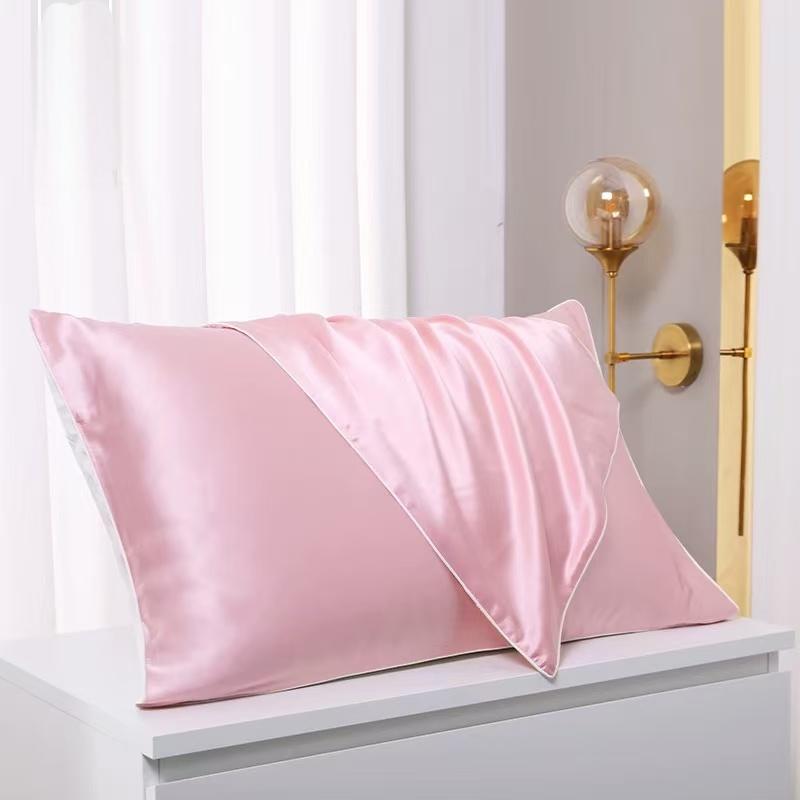
Both options are great for your hair, but they work in different ways. Choosing the right one comes down to your personal habits and what you want to achieve. Let’s look closer at the details to see which one fits your life better.
Is a silk pillowcase[^1] better than a silk cap?
You want to invest in your hair’s health but feel unsure which product is superior. Is one truly better? I’ll break down their core functions to clarify this for you. “Better” is subjective. A pillowcase is better for those who want skin and hair benefits and move a lot in their sleep. A cap is better for maximum hair protection[^4], especially for curly or long hair[^5], as it contains everything perfectly.
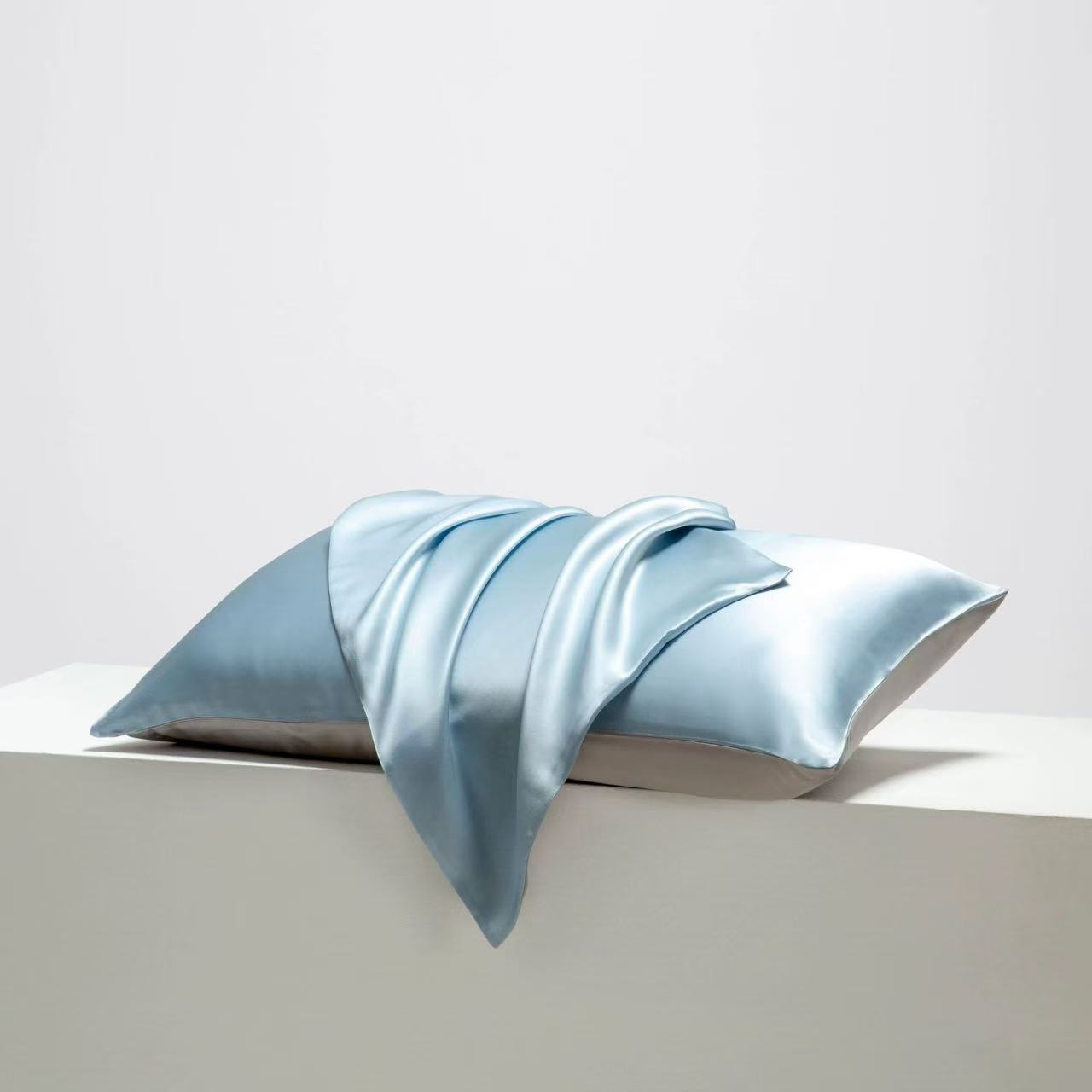
Think about your main goal. In my 20 years in the silk industry, I’ve helped countless clients with this exact question. Deciding which is “better” means looking at your top priorities. If you care about both your skin and your hair, the pillowcase is a fantastic two-in-one solution. It reduces friction[^3] on your face, which helps prevent sleep creases[^6] and allows your skincare products to stay on your skin, not your pillow. For hair, it provides a smooth surface that reduces tangles and frizz. On the other hand, if your main concern is protecting a specific hairstyle, preserving curls, or preventing breakage in long hair[^5], a cap is superior. It fully encloses your hair, locking in moisture and preventing any friction[^3] at all.
Key Differences at a Glance
| Feature | Silk Pillowcase | Silk Sleeping Cap |
|---|---|---|
| Main Benefit | Hair & Skin Health | Maximum Hair Protection |
| Best For | All hair types, active sleepers, skincare | Curly, long, or fragile hair |
| Convenience | Always on your bed, no extra step | Must be put on before sleep |
| Travel | Less portable | Easy to pack and take anywhere |
| Ultimately, neither is universally “better.” The best choice is the one that fits your lifestyle and addresses your main concerns. |
What is the healthiest material for pillowcases?
You spend a third of your life with your face on a pillow. The material matters, but many common fabrics can actually absorb moisture from your skin and hair, causing problems. Without a doubt, 100% mulberry silk[^7] is the healthiest material for a pillowcase. Its natural protein structure is gentle on hair and skin, hypoallergenic[^8], and it doesn’t absorb moisture like cotton does. This helps your skin and hair stay hydrated throughout the night.
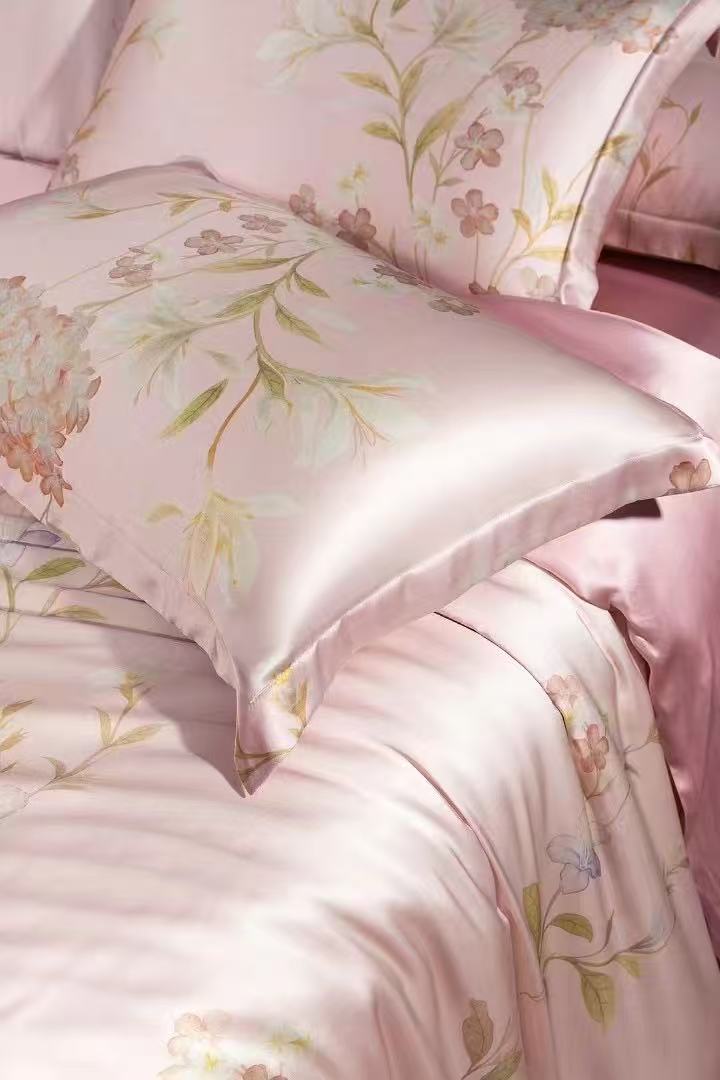
When customers ask me about the “healthiest” option, I always point them to high-quality mulberry silk[^7]. Let’s break down why it stands out from other materials. Cotton is a very popular choice, but it’s highly absorbent. It can pull moisture and expensive night creams right off your face and strip natural oils from your hair, leaving both dry and brittle. Synthetic materials like satin (which is a weave, not a fiber) are often made from polyester. While they feel smooth, they aren’t breathable and can trap heat and sweat, which can lead to skin irritation and clogged pores for some people.
Why Mulberry Silk is Superior
- Natural Proteins: Silk is composed of proteins like sericin, which are naturally compatible with human skin. It’s gentle and helps reduce allergic reactions.
- Hydration: Unlike cotton, silk’s low absorbency rate helps your skin and hair retain their natural moisture. Your expensive serums stay on your face where they belong.
- Temperature Regulation: Silk is a natural thermoregulator. It feels cool in the summer and warm in the winter, providing a comfortable sleep environment year-round. For these reasons, when health and beauty are the main goals, I always recommend investing in a genuine mulberry silk[^7]k pillowcase](https://www.nordstrom.com/browse/content/blog/silk-pillowcase-benefits?srsltid=AfmBOoryxmCoJTo7K6RX8q9c0_p1RifCAsOEo9azI6zPqs-RlIf5OXla)[^1]. It’s a simple change that makes a big difference.
Do silk sleeping cap[^2]s really work?
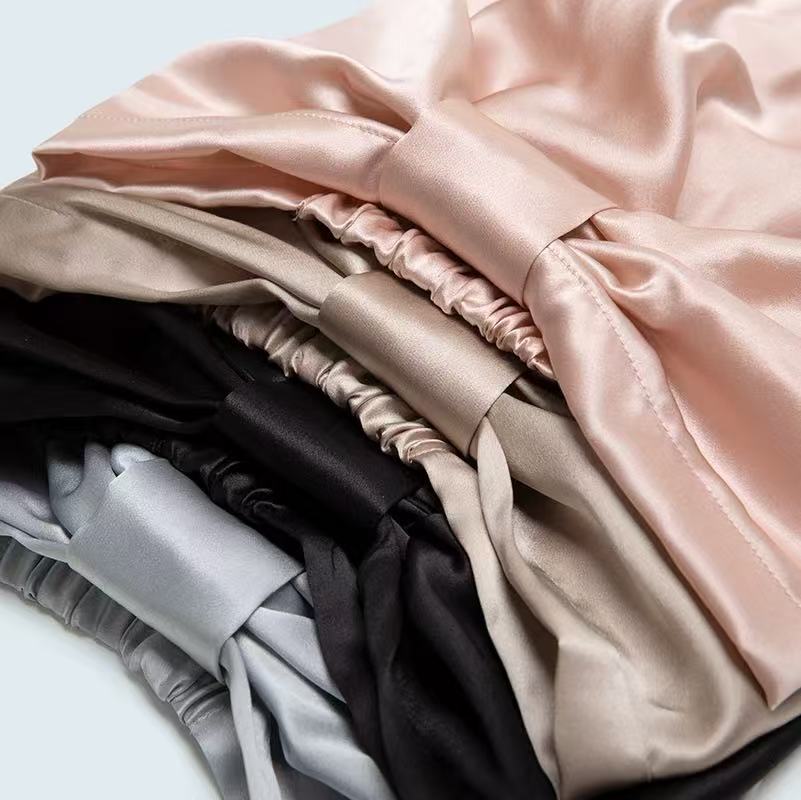
People wonder if wearing something on their head at night is really effective. Does a simple cap actually protect your hair, or is it just a hassle before bed? Yes, they absolutely work. Silk sleeping caps are incredibly effective at protecting hair. They minimize friction[^3] against your pillow, which prevents breakage, tangles, and frizz. They also help your hair retain moisture and preserve your hairstyle overnight, saving you time in the morning.

From my experience working with clients who have delicate, curly, or very long hair[^5], a silk cap is a game-changer. Think about what happens when you sleep. You toss and turn, and your hair rubs against the pillowcase. Even with a silk pillowcase[^1], long or textured hair can still get tangled up. A silk cap, often called a bonnet, creates a protective barrier that almost completely eliminates this friction[^3]. It bundles all your hair together neatly inside a smooth silk cocoon. This is especially important for protecting curls, as it helps them keep their shape without getting flattened or frizzy. It also helps lock in any hair treatments[^9] or oils you apply before bed, allowing them to work more effectively overnight. Many of my clients tell me they can’t believe how much smoother and more manageable their hair is in the morning after switching to a silk cap. It truly works.
What is the downside of a silk pillowcase[^1]?
You’ve heard all the amazing benefits of silk pillowcase[^1]s. But you’re smart to ask about the negatives. Are there any hidden drawbacks you should know about before you buy? The main downsides are the higher initial cost compared to cotton and the need for more delicate care[^10]. Silk is a luxury item[^11] and must be washed gently, either by hand or on a delicate cycle, and air-dried. However, its long-term benefits often outweigh these factors.
I always want to be transparent with my customers. While silk pillowcase[^1]s are fantastic, they do require a bit of a shift in mindset compared to standard cotton bedding. The price is the first thing people notice. Genuine, high-quality mulberry silk[^7] is more expensive to produce, so the cost reflects that. It’s an investment[^12]. The second point is the care routine. You can’t just toss a silk pillowcase[^1] in a hot wash with your towels.
Key Considerations
- Cost: A real silk pillowcase[^1] will cost more than a cotton or synthetic one. You are paying for the quality of the fiber and the benefits it provides.
- Care Instructions: To maintain its smooth texture and longevity, silk needs special care. It’s best to use a pH-neutral detergent[^13], wash in cool water, and avoid the dryer, as high heat can damage the delicate fibers.
- Potential for Slipping: Some people find that their head or pillow can feel a bit more slippery on silk compared to the grip of cotton. This is something most people get used to very quickly. Despite these points, I find that most customers feel the benefits for their hair and skin are well worth the extra cost and gentle washing routine.
Conclusion
Both silk pillowcase[^1]s and caps offer great hair benefits. Your choice depends on your goals: a pillowcase for hair and skin, or a cap for maximum hair protection[^4].
[^1]: Explore the benefits of silk pillowcases for hair and skin health, and see why they are a popular choice. [^2]: Discover how silk sleeping caps can protect your hair overnight and prevent damage. [^3]: Learn about the impact of friction on hair health and how to minimize it for better hair care. [^4]: Find effective methods for protecting your hair while you sleep, including the use of silk products. [^5]: Explore strategies to prevent breakage in long hair during sleep for healthier locks. [^6]: Find out what sleep creases are and how to prevent them for smoother skin. [^7]: Understand why mulberry silk is considered the healthiest and most beneficial material for pillowcases. [^8]: Learn about the advantages of hypoallergenic materials in bedding for sensitive skin. [^9]: Get insights on maximizing the effectiveness of hair treatments while you sleep. [^10]: Learn the best practices for caring for silk pillowcases to maintain their quality. [^11]: Explore the benefits of investing in luxury bedding for improved sleep quality. [^12]: Evaluate whether investing in silk bedding is worth the benefits it provides. [^13]: Understand the importance of using pH-neutral detergent for washing silk items.
Post time: Aug-21-2025