
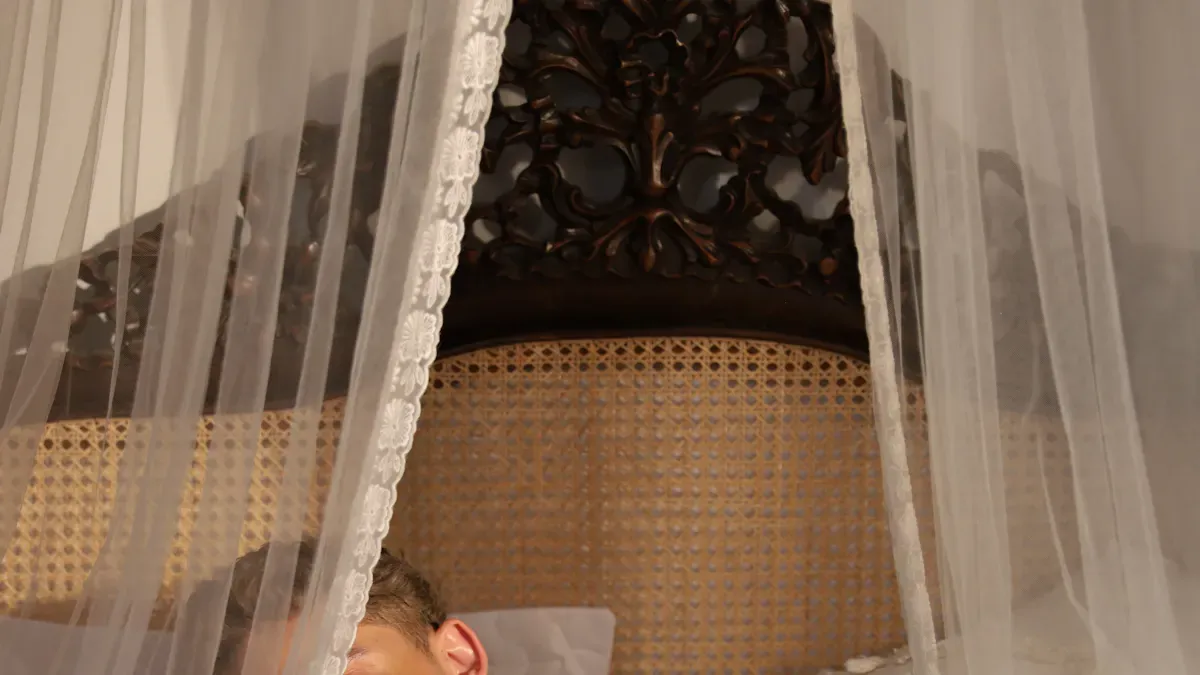
Choosing the right fabric for sleep wear is crucial. It can make or break a customer’s experience. I’ve found that about 58% of women prioritize fabric comfort when selecting modal sleepwear. Softness and breathability are key factors that keep customers coming back for more, especially when it comes to breathable pajamas.
When I think about what makes sleepwear appealing, I consider how fabric influences satisfaction. Check out this table that shows how different aspects of fabric impact customer happiness:
| Factor | Impact on Customer Satisfaction |
|---|---|
| Comfort | Soft, breathable fabrics like soft cotton nightwear lead to higher satisfaction. |
| Durability | Long-lasting materials, such as flannel sleepwear, prevent returns due to wear. |
| Performance | Fabrics like Tencel loungewear that manage temperature changes enhance comfort. |
| Pilling | Preventing pilling is crucial to avoid dissatisfaction. |
| Shrinkage | Accounting for shrinkage rates is essential for fit. |
Selecting the right fabrics not only enhances comfort but also fosters loyalty among customers.
Key Takeaways
- Choosing the right fabric, like cotton or bamboo, enhances customer comfort and satisfaction, leading to repeat purchases.
- Bamboo fabric is eco-friendly and hypoallergenic, making it a great choice for sensitive skin and environmentally conscious consumers.
- Modal sleepwear offers exceptional softness and moisture absorption, keeping customers dry and comfortable throughout the night.
- Silk provides luxurious comfort and temperature regulation, making it a favorite for those seeking elegance in sleepwear.
- Flannel is perfect for colder months, offering warmth and breathability, which keeps customers cozy and encourages loyalty.
Sleep Wear Fabric 1: Cotton
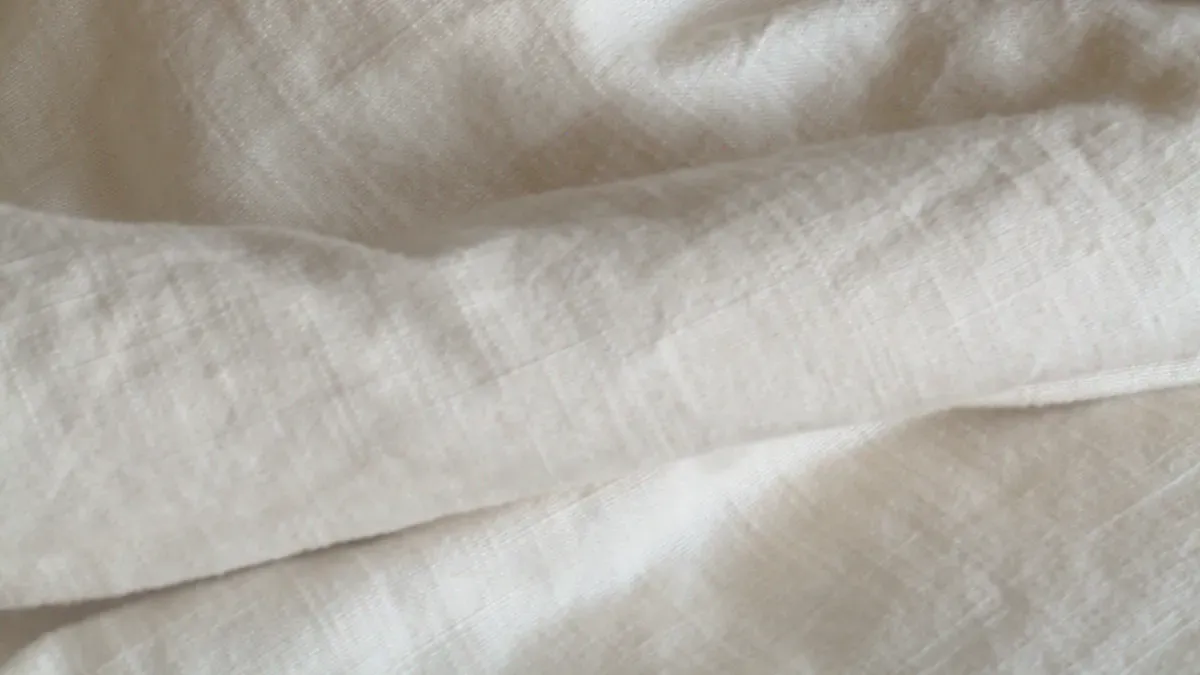
When it comes to sleepwear, cotton is often my go-to fabric. I love how it feels against my skin—soft, breathable, and comfortable. Cotton is a natural fiber that allows for excellent airflow, which is essential for a good night’s sleep. It absorbs moisture effectively, keeping me dry and cozy throughout the night. In fact, studies show that cotton’s moisture buffering potential is significantly better than synthetic fabrics like polyester. This means I can wake up feeling fresh instead of clammy.
There are several types of cotton that work well for sleepwear, each with its unique properties:
- Muslin Cotton: Thin and breathable, perfect for lightweight designs.
- Jersey Cotton: Soft and stretchy, ideal for a snug fit.
- Poplin Cotton: Durable and smooth, easy to care for.
- Gauze Cotton: Airy and lightweight, great for summer nights.
- Flannel Cotton: Warm and soft, perfect for winter wear.
- Terry Cotton: Plush and absorbent, enhancing comfort.
I also appreciate the variety of cotton types available. For instance, Egyptian cotton is known for its luxurious feel, while organic cotton is gentle on the skin and environmentally friendly. I often choose Supima cotton for its exceptional comfort and lower pilling rate, making it a fantastic option for sleepwear.
In my experience, cotton sleepwear not only provides comfort but also fosters customer loyalty. When customers find sleepwear that feels good and performs well, they tend to return for more. So, if you’re considering options for your wholesale offerings, cotton should definitely be on your list!
Sleep Wear Fabric 2: Bamboo
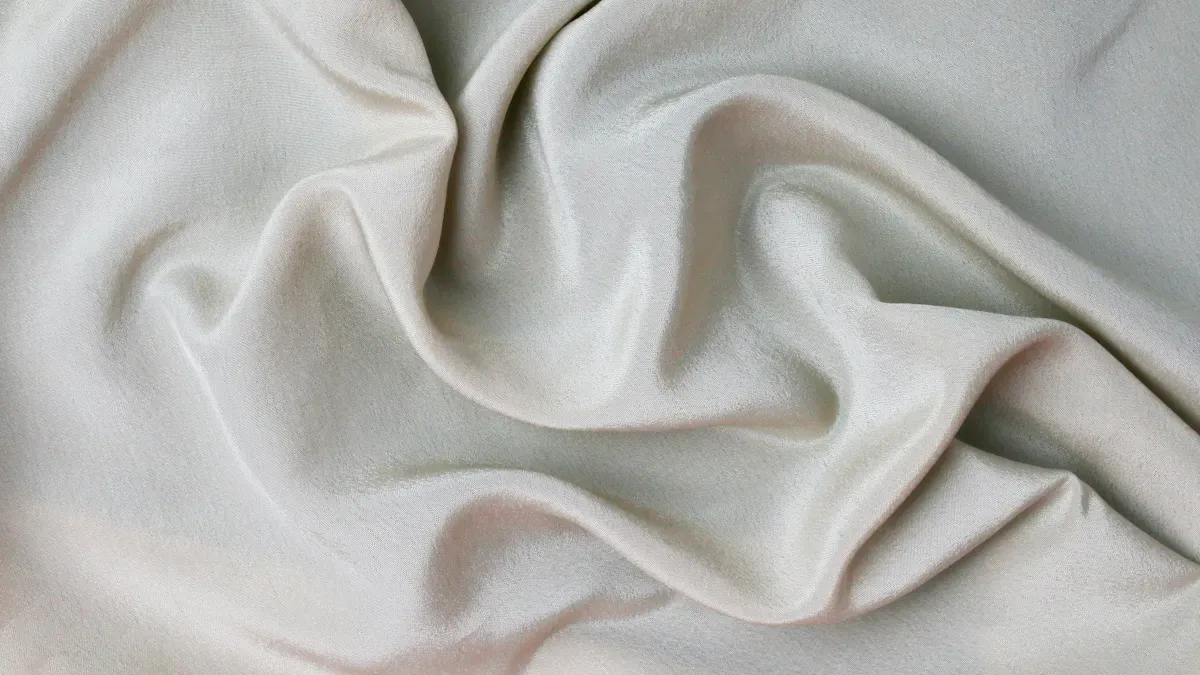
Bamboo fabric has become one of my favorite choices for sleepwear. I love how soft and smooth it feels against my skin. It’s like wrapping myself in a gentle hug every night! Bamboo is not only comfortable, but it also offers some fantastic benefits that make it stand out.
First off, bamboo is an eco-friendly option. It grows quickly and requires minimal water, which is a huge plus for the environment. Plus, it’s grown without pesticides, making it a safer choice for our planet. I appreciate that bamboo fabric is biodegradable, decomposing within months to a year. In contrast, synthetic fabrics can linger in landfills for hundreds of years.
When it comes to comfort, bamboo excels in hypoallergenic properties. The fibers naturally repel common allergens like dust mites and mold. This creates a protective barrier that reduces the risk of allergic reactions. For those with sensitive skin, bamboo is a dream come true. Its fibers are smooth and rounded, causing less friction and irritation. I’ve found that it resists odor-causing bacteria, which keeps my sleepwear fresh longer.
Here are some key benefits of bamboo fabric:
- Eco-Friendly: Fast-growing and requires little water.
- Hypoallergenic: Naturally repels allergens and irritants.
- Antibacterial: Resists odor-causing bacteria.
- Softness: Feels luxurious against the skin.
I often recommend bamboo sleepwear to friends looking for comfort and sustainability. It’s a win-win! If you’re considering options for your wholesale offerings, bamboo should definitely be on your radar.
Sleep Wear Fabric 3: Modal
When I first tried modal sleepwear, I was blown away by how soft and smooth it felt against my skin. It’s like wearing a gentle cloud! Modal is a type of rayon made from beech tree pulp, and it has some fantastic qualities that make it perfect for sleepwear.
Here are a few reasons why I love modal:
- Softness: Modal is incredibly soft, providing a luxurious feel that enhances comfort during sleep.
- Breathability: This fabric allows for great airflow, helping to keep my body cool on warm nights.
- Moisture Absorption: Modal absorbs moisture significantly better than cotton, which means I stay dry and comfortable throughout the night.
- Durability: The long fibers and tight weave of modal contribute to its longevity. It resists shrinkage and pilling, so my sleepwear looks great wash after wash.
- Eco-friendliness: Modal is produced using less water than cotton and is biodegradable, making it a sustainable choice for those who care about the environment.
I’ve noticed that the softness and durability of modal really impact customer satisfaction. Many of my friends have switched to modal sleepwear after trying it. They love how it retains its shape and color even after multiple washes. This quality leads to fewer returns and keeps customers coming back for more.
If you’re considering options for your wholesale offerings, modal should definitely be on your list. It combines comfort, style, and sustainability, making it a win-win for both you and your customers!
Sleep Wear Fabric 4: Silk
Silk is one of my absolute favorite fabrics for sleepwear. When I slip into silk pajamas, I feel like I’m treating myself to a little luxury every night. The smooth texture feels amazing against my skin, and it has some incredible benefits that make it a top choice for sleepwear.
One of the best things about silk is its ability to regulate temperature. It adapts to your body, keeping you comfortable whether it’s hot or cold outside. Here are some of the thermal properties of silk that I find fascinating:
- Silk can maintain a comfortable temperature, preventing overheating during sleep.
- It dissipates excess warmth, which helps me stay cool on warm nights.
- The low thermal conductivity of silk provides insulation, keeping me warm in winter.
- Silk can absorb over 30% of its weight in moisture, wicking away perspiration and keeping my skin dry.
This moisture management is crucial for a good night’s sleep. It prevents those annoying temperature swings that can wake me up in the middle of the night.
Silk also works wonders for my skin. Unlike other fabrics, silk is smooth and reduces irritation and friction. This helps prevent skin issues like redness and dryness. Plus, it’s hypoallergenic, which is a big plus for anyone with allergies. Here are some more reasons why silk is great for skin health:
- Silk helps maintain skin hydration without drawing out natural oils.
- It contains bioproteins and amino acids that may aid in skin repair and rejuvenation.
- The luxurious feel of silk can even improve skin texture and reduce signs of aging.
I often recommend silk sleepwear to friends who want to combine comfort with a touch of elegance. If you’re considering options for your wholesale offerings, silk should definitely be on your list. It not only enhances comfort but also promotes skin health, making it a favorite among customers.
Sleep Wear Fabric 5: Flannel
Flannel is my ultimate choice for cozy sleepwear during the colder months. There’s something about slipping into a pair of flannel pajamas that instantly makes me feel warm and snug. The soft, woven fabric has a brushed surface that creates air pockets, trapping heat and providing excellent insulation. This feature is a game-changer for anyone living in chillier climates. I can confidently say that flannel keeps me warm throughout the night while still allowing for breathability, so I don’t wake up feeling overheated.
Here are some reasons why I love flannel sleepwear:
- Warmth: The thick fabric effectively retains body heat, ensuring I stay cozy even on the coldest nights.
- Breathability: Despite its warmth, flannel allows air circulation, which prevents me from feeling stuffy.
- Comfort: The soft texture feels great against my skin, making it a pleasure to wear.
I’ve noticed that flannel sleepwear is especially popular in regions with seasonal temperature changes. Retailers often see a spike in sales during the winter months, thanks to the cozy texture and warmth that flannel provides. Limited-edition prints also create a sense of urgency, encouraging customers to buy before they’re gone. This strategy can significantly boost customer retention rates, as people come back for their favorite flannel pajamas year after year.
In my experience, flannel sleepwear not only offers comfort but also builds loyalty among customers. When they find sleepwear that keeps them warm and cozy, they’re likely to return for more. So, if you’re considering options for your wholesale offerings, flannel should definitely be on your list!
Comparison Table of Fabrics
When it comes to choosing the right fabric for sleepwear, I find it helpful to compare their key features side by side. Below, I’ve created two tables that summarize the moisture-wicking abilities and environmental impacts of cotton, bamboo, modal, silk, and flannel. This way, you can easily see how each fabric stacks up against the others.
Moisture-Wicking Abilities
| Fabric | Moisture-Wicking Ability | Additional Notes |
|---|---|---|
| Bamboo | High | Eco-friendly, soft, breathable |
| Modal | High | Soft, smooth, breathable, cool |
| Cotton | Moderate | Breathable, soft, absorbs moisture |
| Flannel | Low | Soft, cozy, warm, not moisture-wicking |
| Silk | Moderate | Luxurious, smooth, can retain moisture |
From my experience, bamboo and modal really shine in moisture-wicking. They keep me dry and comfortable throughout the night. Cotton does a decent job, but flannel tends to hold onto moisture, which isn’t ideal for hot sleepers.
Environmental Impact
| Fabric Type | Water Usage (liters) | Carbon Footprint (CO2 emissions) |
|---|---|---|
| Cotton | 2,700 (for one T-shirt) | High (due to cultivation and processing) |
| Synthetic Fabrics | N/A | Very High (due to energy-intensive production) |
| Viscose | N/A | Moderate to High (depends on production methods) |
I’ve learned that cotton has a significant environmental impact, especially regarding water usage. It takes a staggering 2,700 liters of water just to produce one T-shirt! On the other hand, bamboo is a more sustainable choice, as it grows quickly and requires less water.
By comparing these fabrics, I hope you can make informed decisions for your wholesale offerings. Each fabric has its unique benefits, and understanding these differences can help you cater to your customers’ needs better.
How Fabric Choices Impact Customer Loyalty
When I think about what keeps customers coming back for more sleepwear, fabric choices are at the top of my list. The right fabric can make all the difference in how a customer feels about their purchase. I’ve noticed that when brands prioritize high-quality materials, they often receive glowing reviews. This positive feedback builds a strong brand reputation, which is crucial for customer loyalty.
Here’s a quick look at how different fabric types can impact brand reputation and customer reviews:
| Fabric Type | Benefits | Impact on Brand Reputation and Reviews |
|---|---|---|
| Organic Cotton | Breathable, soft, and comfortable | Positive reviews for comfort and sustainability |
| Linen | Cool, breathable, and highly absorbent | Builds reputation for quality and comfort on warm nights |
| Bamboo | Soft, moisture-wicking, and eco-friendly | Attracts environmentally conscious consumers |
I’ve found that natural fibers enhance breathability and comfort, leading to better sleep experiences. Brands that use high-quality materials tend to receive more positive reviews. Plus, the durability of fabrics affects long-term customer satisfaction and perceptions of value. For instance, when I wear sleepwear made from organic cotton or linen, I feel cooler and more comfortable, which makes me more likely to recommend those brands to friends.
Offering a variety of fabric options also plays a significant role in customer retention. As consumers increasingly seek personalized and comfortable sleepwear, brands that provide diverse choices can better align with individual preferences. I’ve seen firsthand how brands that focus on sustainable materials and innovative fabrics resonate with modern consumers. This approach not only meets their needs but also encourages repeat purchases.
Here are a few reasons why fabric quality matters for customer loyalty:
- Natural fibers like organic cotton and linen allow air circulation, regulating temperature during sleep.
- Unlike synthetic fabrics, they prevent heat and moisture retention, enhancing comfort.
- High-quality organic sleepwear lasts longer, reducing waste and improving customer satisfaction.
I’ve also noticed that high-quality fabrics enhance customer satisfaction due to their durability and ease of care. This is crucial for long-term loyalty. For example, I prefer sleepwear made from bamboo because it’s hypoallergenic and gentle on my skin. This feature caters to consumers with sensitive skin, fostering loyalty and making me more likely to return to that brand.
In my experience, wholesale sleepwear brands measure the impact of fabric choice on customer loyalty by ensuring high durability and comfort through strict quality control measures. These processes help maintain product quality, which is essential for customer satisfaction. Additionally, the ability to customize designs for various body types further enhances customer appeal and loyalty.
Ultimately, the fabric choices you make for your sleep wear can significantly influence customer loyalty. By prioritizing quality and variety, you can create a loyal customer base that keeps coming back for more.
Selecting the right fabrics for sleep wear is essential for ensuring comfort. I’ve seen firsthand how fabrics like cotton, bamboo, and modal can elevate the sleep experience. When customers feel comfortable, they’re more likely to return for more. This connection between comfort and loyalty is crucial for any wholesale business.
As you consider your offerings, think about how high-quality fabrics can set you apart. Not only do they enhance perceived value, but they also align with consumer trends toward sustainability and comfort. By focusing on these fabrics, you can create a loyal customer base that keeps coming back for more.
So, take the plunge! Explore these fabric options for your wholesale sleepwear line and watch your customer satisfaction soar.
FAQ
What is the best fabric for sleepwear?
I believe cotton is the best fabric for sleepwear. It’s soft, breathable, and moisture-absorbing, making it perfect for a comfortable night’s sleep.
How does bamboo fabric compare to cotton?
Bamboo fabric is softer and more eco-friendly than cotton. It also has hypoallergenic properties, making it great for sensitive skin.
Is silk worth the investment for sleepwear?
Absolutely! Silk offers luxurious comfort and temperature regulation. It feels amazing against the skin and can improve skin health too.
Can flannel be worn year-round?
Yes! While flannel is perfect for winter, its breathability allows for comfortable wear in cooler summer nights too.
How do I care for modal sleepwear?
Caring for modal is easy! Just machine wash in cold water and tumble dry on low. This keeps it soft and prevents shrinkage.
Post time: Apr-07-2026