

Eco-friendly silk pajamas are redefining wholesale fashion by merging sustainability with elegance. I’ve noticed consumers increasingly prioritize environmentally conscious choices.
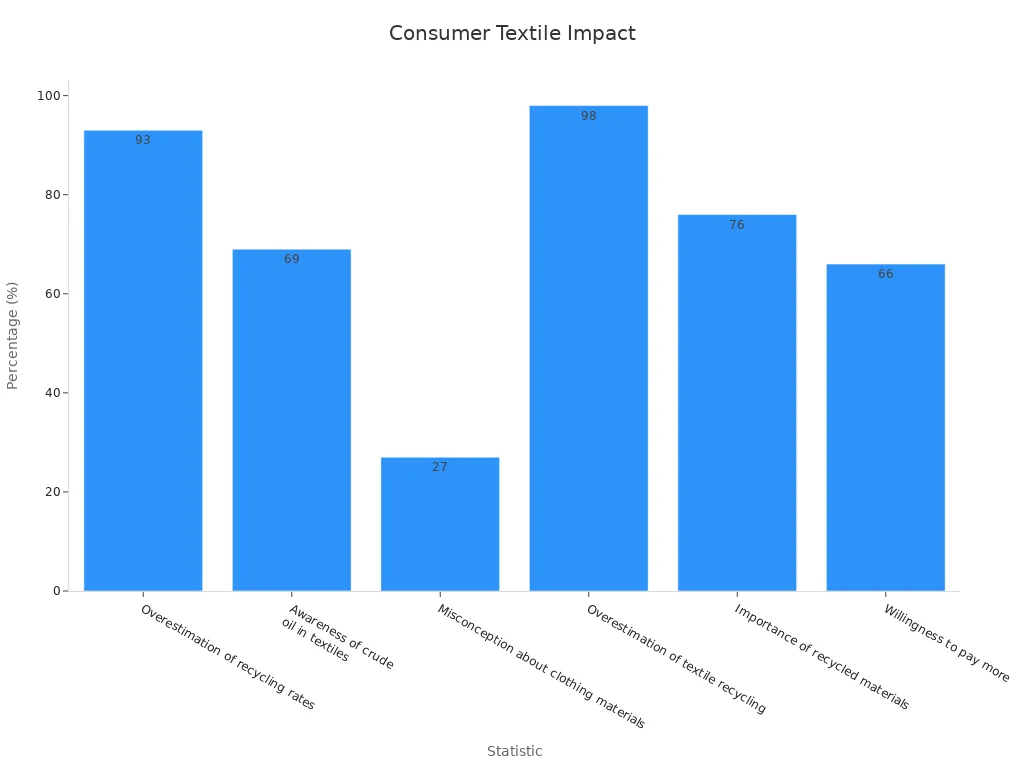
- Conscious consumerism drives decisions, with 66% willing to pay more for sustainable brands.
- The luxury sleepwear market, including silk pajamas, is projected to surpass USD 12 billion by 2027.
Explore eco-friendly silk sleepwear at https://www.cnwonderfultextile.com/sleep-wear/.
Key Takeaways
- Eco-friendly silk pajamas mix comfort and care for the planet.
- People want stylish clothes that are also good for Earth.
- More young shoppers are paying extra for eco-friendly items.
- Wholesale sellers need to focus on green products to compete.
The Growing Demand for Sustainable Fashion
Consumer Awareness of Environmental Impact
I’ve noticed a significant shift in how consumers view the environmental impact of their purchases. Many people now understand that the fashion industry contributes to pollution and waste. For example, 76% of consumers believe companies should use more recycled materials in clothing. However, misconceptions persist. A staggering 98% overestimate the amount of discarded textiles that are recycled, and 69% don’t realize crude oil is used in textile production.
This growing awareness has fueled demand for sustainable alternatives. Shoppers increasingly prioritize eco-friendly materials and ethical practices. Millennials and Gen Z, in particular, are driving this trend. They expect brands to be transparent about their supply chains and environmental efforts.
The Role of Silk Pajamas in Sustainable Fashion
Silk pajamas perfectly align with the demand for sustainable fashion. Silk is a natural, biodegradable material that doesn’t harm the environment like synthetic fabrics. When produced using ethical farming and eco-friendly manufacturing techniques, silk pajamas become a symbol of luxury and sustainability.
I’ve seen how these products appeal to consumers who want to reduce their environmental footprint without sacrificing comfort or style. The combination of elegance and eco-consciousness makes silk pajamas a standout choice in the sustainable fashion market.
Wholesale Fashion’s Shift Toward Eco-Friendly Products
Wholesale buyers are adapting to meet the rising demand for sustainable options. The sustainable fashion market is projected to grow from $12.46 billion in 2025 to $53.37 billion by 2032, with a CAGR of 23.1%. This growth reflects a clear shift in consumer preferences.
Post-COVID-19, I’ve observed an increased focus on eco-friendly and vegan products. Wholesale buyers now prioritize items like silk pajamas, which align with consumer expectations for transparency and sustainability. This shift isn’t just a trend—it’s a necessary evolution for the industry to remain competitive.
Benefits of Eco-Friendly Silk Pajamas

Environmental Advantages of Silk Pajamas
I’ve noticed that eco-friendly silk pajamas offer significant environmental benefits. Silk, as a natural fiber, is biodegradable and doesn’t contribute to the long-term waste associated with synthetic fabrics. Sustainable silk production methods, such as autoclaving, further enhance these advantages. Autoclaving replaces traditional chemical degumming processes, reducing the environmental impact while improving the structural and mechanical properties of silk fibers. This approach conserves resources and promotes recycling, making silk pajamas a more sustainable choice.
Eco-friendly manufacturing techniques also play a crucial role. These processes use water-based methods with mild chemicals, generating minimal toxic waste. The resulting silk products are soft, durable, and biodegradable, which aligns perfectly with the growing demand for sustainable fashion. I’ve seen how these innovations help wholesale buyers meet consumer expectations for environmentally conscious products.
Ethical and Social Benefits in Silk Production
Ethical practices in silk production contribute to both social and animal welfare. I’ve observed that brands offering organic and peace silk options attract consumers who value sustainability and ethical sourcing. These practices ensure that silk production minimizes harm to silkworms and supports fair labor conditions for workers.
Animal welfare advocates have also highlighted the importance of reducing the demand for traditional silk, which often involves harmful practices. Campaigns promoting peace silk have successfully addressed these concerns, leading to fewer silkworms suffering from diseases. By choosing ethically produced silk pajamas, consumers can support brands that prioritize both environmental and social responsibility.
Consumer Appeal: Luxury Meets Sustainability
Eco-friendly silk pajamas combine the elegance of luxury sleepwear with the principles of sustainability. I’ve noticed that nearly 80% of consumers prefer brands committed to sustainable practices. This preference reflects a growing demand for products that balance quality and environmental consciousness.
The luxury sleepwear market has seen moderate growth, driven by increased awareness of sleep’s importance for health and well-being. E-commerce platforms have made it easier for consumers to access eco-friendly silk pajamas, further boosting their popularity. For instance, the market size for luxury sleepwear reached USD 11.5 billion in 2023 and is projected to grow to USD 19.8 billion by 2032, with a CAGR of 6.2%.
| Metric | Value |
|---|---|
| Market Size in 2023 | USD 11.5 billion |
| Projected Market Size in 2032 | USD 19.8 billion |
| CAGR (2025-2032) | 6.2% |
Consumers increasingly hesitate to purchase products if they cannot trace their origins. I’ve seen how eco-friendly silk pajamas address this concern by offering transparency in their production processes. These pajamas provide a perfect blend of comfort, style, and sustainability, making them a standout choice for conscious shoppers.
Innovations in Sustainable Silk Production
 Ethical Silk Farming Practices
I’ve seen how ethical silk farming practices are transforming the industry. Farmers now use innovative sericulture techniques to improve silk yields and quality while minimizing environmental harm. For example, CRISPR/Cas9 gene editing allows precise modifications to silkworm genes, enhancing both the quality and quantity of silk. These advancements reduce waste and ensure sustainable production.
Hybrid silks, developed through genetic engineering, offer greater strength and elasticity. This innovation expands silk’s applications beyond fashion, making it suitable for industries like healthcare and technology. Ethical farming also prioritizes animal welfare, with peace silk production ensuring that silkworms remain unharmed during harvesting.
Eco-Friendly Manufacturing Techniques
Eco-friendly manufacturing techniques have revolutionized how silk pajamas are produced. I’ve noticed that water-based methods with mild chemicals are replacing traditional processes, significantly reducing toxic waste. Conductive silk, created by co-spinning with carbon nanotubes or graphene, is another breakthrough. This material is ideal for wearable electronics, combining sustainability with cutting-edge technology.
Smart textiles, which integrate silk with technology, are gaining popularity. These fabrics regulate temperature and monitor health, offering both functionality and environmental benefits. Such innovations align with the growing demand for sustainable and luxury silk products, making them a preferred choice for wholesale buyers.
Certifications for Sustainable Silk Pajamas
Certifications play a crucial role in ensuring the sustainability of silk pajamas. I’ve observed that consumers trust brands with recognized certifications like GOTS, Oeko-Tex, and Fair Trade.
| Certification | Criteria | Description |
|---|---|---|
| GOTS | Organic Fibers | Requires at least 70% certified organic fibers, with higher grades for 95%. Sets limits on environmental impacts and ensures fair labor practices. |
| Oeko-Tex | Chemical Safety | Evaluates the toxicity of chemicals in textiles through independent inspections. Often awarded alongside GOTS. |
| Fair Trade | Social Standards | Ensures fair wages and safe working conditions for workers, adhering to rigorous social, environmental, and economic standards. |
These certifications guarantee that silk pajamas meet high standards for environmental and social responsibility. Wholesale buyers can confidently offer these products, knowing they align with consumer expectations for transparency and sustainability.
Market Trends Driving Eco-Friendly Silk Pajamas
The Rise of Conscious Consumerism
I’ve observed a significant shift in consumer behavior over the past few years. People are no longer just buying products; they’re making statements with their purchases. Sustainability has become a key factor in decision-making. A 2024 McKinsey & Company survey revealed that 75% of millennials and 66% of all respondents now consider sustainability when shopping. Nearly 89% of global consumers have changed their habits to be more eco-friendly, and 80% of millennials are even willing to pay more for sustainable alternatives.
This trend is reshaping the fashion industry. Consumers are evaluating products based on price, quality, and environmental impact. I’ve noticed that silk pajamas, as a luxurious yet sustainable option, perfectly align with these values. They offer a unique combination of comfort, elegance, and eco-consciousness, making them a preferred choice for conscious shoppers.
Tip: Brands that prioritize transparency and sustainability in their supply chains are more likely to win over this growing segment of conscious consumers.
E-Commerce and the Demand for Sustainable Fashion
The rise of e-commerce has revolutionized how people shop for sustainable fashion. Online platforms make it easier than ever for consumers to access eco-friendly products like silk pajamas. I’ve seen how this shift has expanded the reach of sustainable brands, allowing them to connect with a global audience.
| Factor | Impact on Demand |
|---|---|
| Rising disposable incomes | Fuels demand for luxury goods |
| Growing awareness of sleep wellness | Prioritizes sleep quality and comfort |
| E-commerce expansion | Provides wider reach and convenience |
| Increased focus on sustainable sourcing | Aligns products with consumer values |
Digitalization in fashion has also promoted sustainability. Technologies like 3D design tools optimize production processes, reducing waste and improving efficiency. I’ve noticed that consumers are increasingly drawn to platforms specializing in eco-friendly silk products. These platforms highlight the biodegradability and lower environmental impact of silk, further enhancing its appeal.
Wholesale Buyers Adapting to Sustainability Trends
Wholesale buyers are adapting quickly to meet the growing demand for sustainable products. I’ve seen a clear shift in procurement practices, with 63% of B2B buyers aiming to improve sustainability in their purchasing decisions. Over two-thirds are now required to source from companies that prioritize eco-friendly practices.
Products marketed as sustainable are growing 2.7 times faster than their non-sustainable counterparts. This trend reflects the importance of aligning with consumer values. For instance, 78% of consumers consider sustainability important, and 55% are willing to pay more for eco-friendly brands. Wholesale buyers are responding by prioritizing items like silk pajamas, which combine luxury with sustainability.
Note: Adapting to these trends isn’t just about staying competitive—it’s about leading the way in a rapidly evolving market.
Eco-friendly silk pajamas represent a transformative step in wholesale fashion. I’ve seen how they blend luxury with sustainability, meeting the growing demand for environmentally conscious products. Consumers increasingly prefer brands that prioritize transparency and ethical practices.
| Statistic | Percentage |
|---|---|
| Consumers preferring products with sustainability information | 35% |
| Consumers willing to pay more for recycled clothing | 25% |
| Consumers avoiding brands that do not comply with environmental regulations | 67.5% |
Wholesale buyers must adapt to these trends to remain competitive. By prioritizing silk pajamas, the fashion industry can lead the way toward a sustainable future.
FAQ
What makes silk pajamas eco-friendly?
Eco-friendly silk pajamas use natural fibers, biodegradable materials, and ethical production methods. These practices reduce waste and environmental harm while promoting sustainability.
Are eco-friendly silk pajamas durable?
Yes, they are. I’ve noticed that sustainable silk manufacturing techniques improve fiber strength, ensuring long-lasting products that retain their luxurious feel and quality.
How can wholesale buyers verify sustainability claims?
Certifications like GOTS, Oeko-Tex, and Fair Trade validate eco-friendly practices. These labels ensure transparency and compliance with environmental and ethical standards.
Author: Echo Xu (Facebook account)
Post time: May-23-2025