
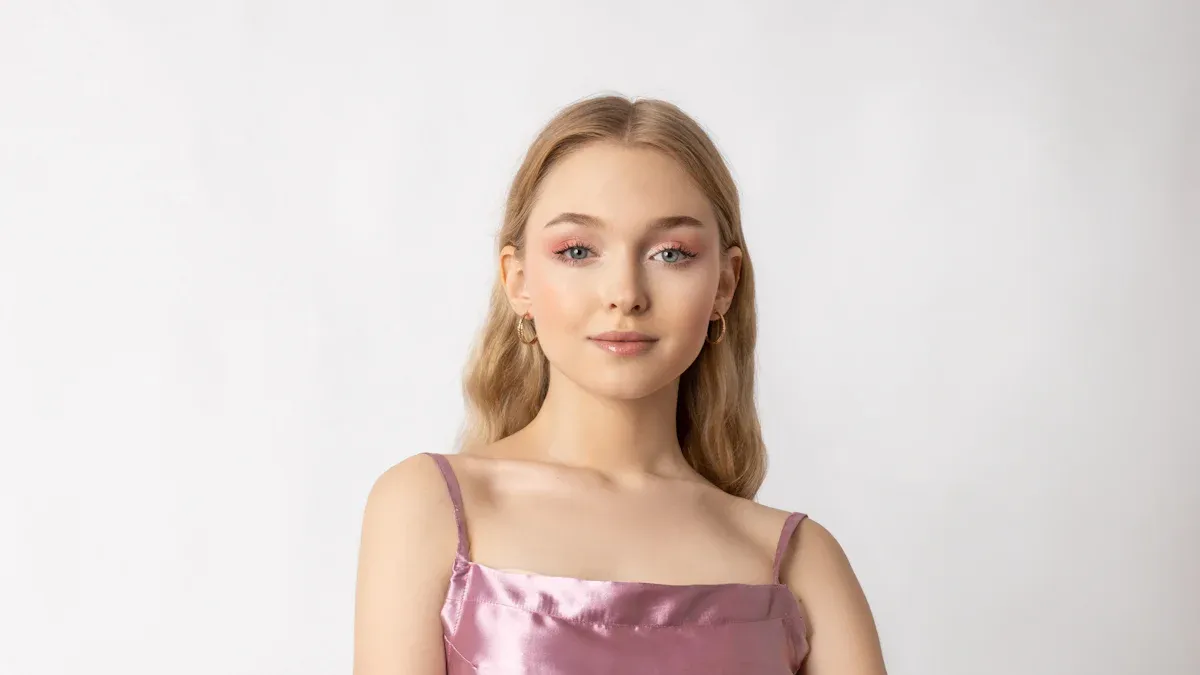
Luxury silk pajamas are experiencing a significant demand surge across the US and Europe. The European market, valued at $10.15 billion in 2025, projects reaching $20.53 billion by 2033. This boom reflects wellness prioritization, at-home luxury, and evolving consumer values. These factors transform Sleep Wear from a basic necessity into a premium lifestyle investment.
Key Takeaways
- People want better sleep and comfort. They buy silk pajamas for health and well-being.
- Luxury silk pajamas are popular for home use. They offer style and comfort for daily life.
- Consumers care about nature and fair practices. They choose silk pajamas because silk is a natural fiber.
The Wellness Revolution and Investment in Silk Pajamas
Prioritizing Sleep Quality and Overall Well-being
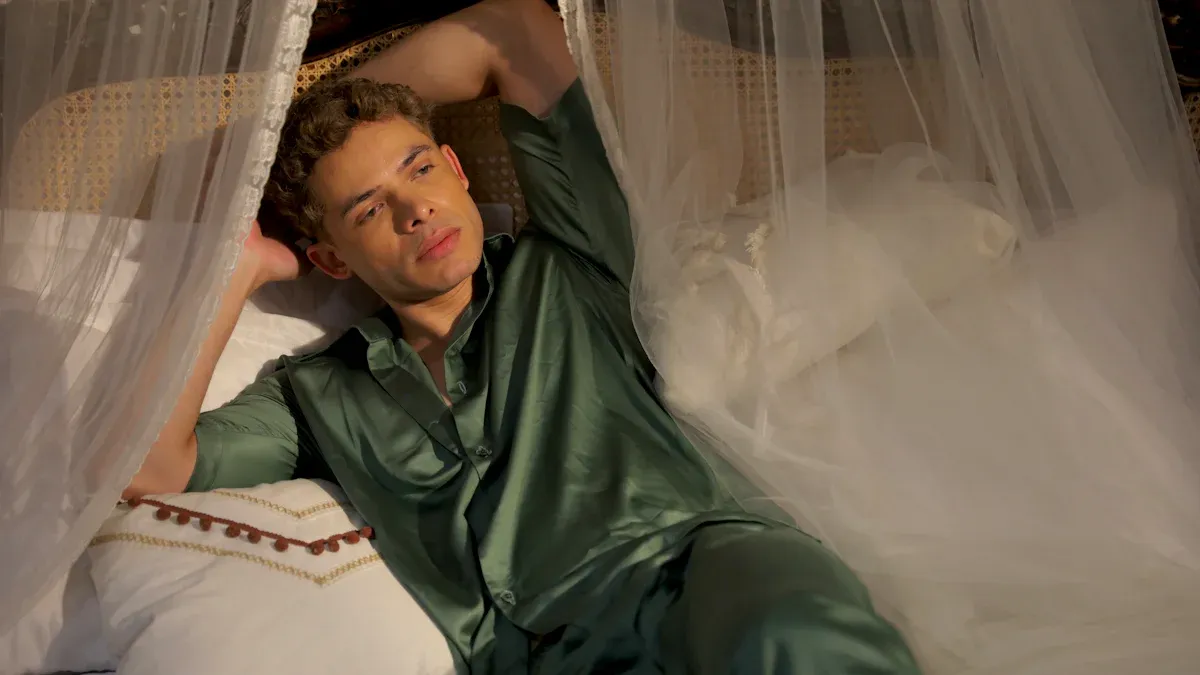
The wellness revolution has profoundly impacted consumer choices, particularly regarding personal comfort and health. This shift drives the increasing investment in items like luxury silk pajamas. Consumers increasingly recognize the critical role of sleep in their overall health. A significant 65% of individuals desire a tailored exercise plan based on their sleep quality and quantity. This highlights a proactive approach to wellness. Furthermore, a strong consensus exists regarding the importance of sleep quality over duration.
| Consumer Group | Agreement on Quality of Sleep Matters More Than Duration |
|---|---|
| US Consumers | 88% |
| German Consumers | 64% |
These statistics demonstrate a clear prioritization of restorative sleep, positioning sleepwear as a vital component of a holistic wellness routine.
Silk Pajamas as a Self-Care Essential
Many now view these garments as a crucial component of their self-care routine. The act of donning luxurious sleepwear transforms the nightly ritual into an intentional moment of relaxation and personal indulgence. This trend reflects a broader understanding that self-care extends beyond spa treatments or meditation; it encompasses daily habits that contribute to mental and physical well-being. Investing in high-quality sleepwear, such as silk pajamas, symbolizes a commitment to one’s comfort and health. It elevates the simple act of going to bed into a luxurious experience, fostering a sense of calm and promoting better sleep hygiene.
The Unique Comfort and Skin Benefits of Silk
Silk offers distinct physiological advantages for skin health and temperature regulation. Its unique properties contribute significantly to comfort and well-being.
- Moisture Management: Silk naturally wicks away sweat, absorbing up to 30% of its weight without feeling damp. This keeps skin dry and reduces irritation. Fibroin proteins facilitate this efficient moisture handling.
- Gentleness and Smooth Texture: The smooth texture of silk, particularly Mulberry silk, reduces irritation and prevents damage or abrasion to the skin. Its natural composition benefits sensitive skin.
- Thermal Regulation: Silk excels at regulating body temperature, providing comfort in both warm and cold conditions. It acts as a natural insulator, trapping air to maintain warmth without overheating, and wicks moisture away to keep individuals cool.
- Hypoallergenic Properties: Silk is naturally hypoallergenic, making it suitable for sensitive skin and those with allergies. Its compact structure prevents the build-up of allergens like dust mites and dirt.
Scientific research further supports silk’s hypoallergenic claims. A clinical trial on atopic dermatitis (AD) patients demonstrated a significant decrease in symptom severity after one month of wearing pure silk clothing, with consistent improvement over an eight-week period (P<0.001). Specifically, symptoms like dandruff, redness, swelling, and itching abated. This suggests silk’s smoothness benefits irritated skin, potentially enhancing collagen synthesis and reducing inflammation. Its hygienic properties may also act as a barrier against bacteria and contaminants, preventing inflammation aggravation. These findings indicate silk’s role in improving skin resistance against AD symptoms and its potential hypoallergenic benefits.
The trial also revealed that pure silk clothing significantly improved the quality of life for AD patients. Patients experienced reduced disturbances from nighttime itching and scratching, leading to improved sleep habits and decreased psychological pressures such as guilt and anxiety. Dermatologists now recognize silk pillowcases as a beneficial upgrade for sleep and skincare routines, particularly for individuals with sensitive, dry, or acne-prone skin. The scientific evidence supports the transition to silk due to its enhanced moisture retention, reduced friction, and allergen resistance. These properties contribute to an improved sleep environment and overall skin health, aligning with the hypoallergenic claims for silk. The unique comfort and skin benefits of silk further solidify its position as a wellness investment.
The Rise of At-Home Luxury and Elevated Silk Pajamas
Shifting Lifestyles and the Demand for Sophisticated Loungewear
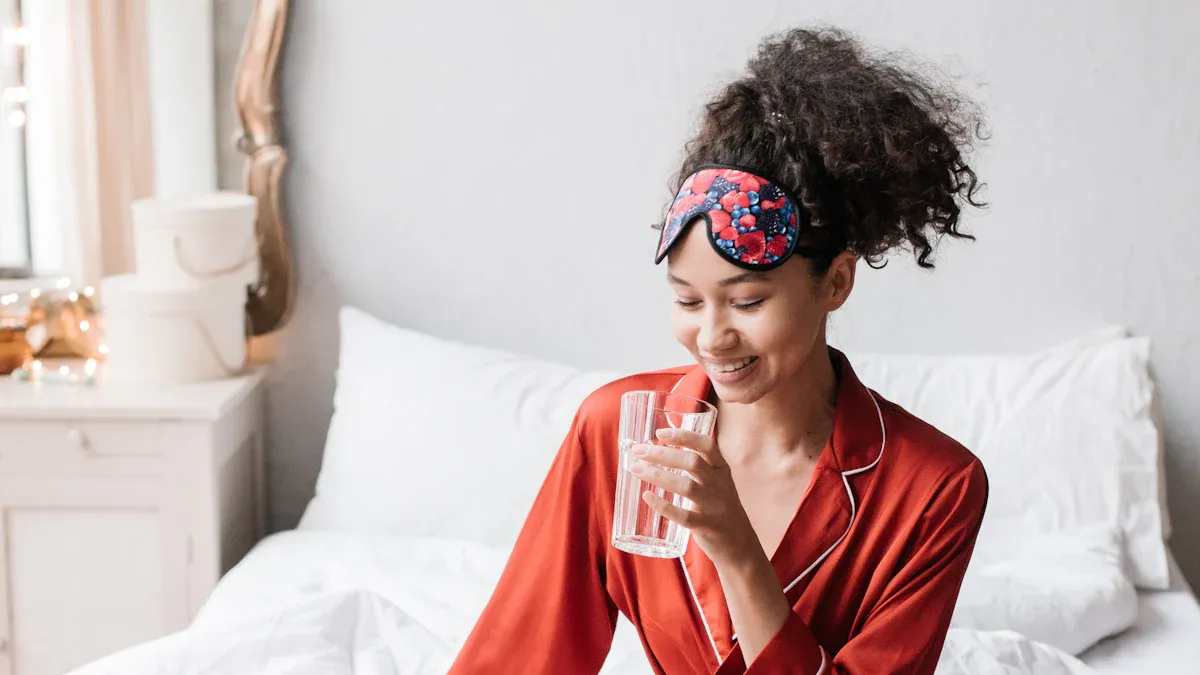
Modern lifestyles have significantly shifted, creating a robust demand for sophisticated loungewear. Consumers now prioritize comfort and style in their daily attire, even within their homes. American consumers, for instance, spend an average of USD 2,041 annually on apparel. Loungewear and casual clothing constitute approximately 25% of these total clothing purchases in the US, demonstrating a substantial market size and significant growth potential. The US market benefits from a strong e-commerce infrastructure and established retail networks, which effectively aid in loungewear distribution and consumer access.
North America held the largest revenue share, 38.7%, in the loungewear market in 2024. This dominance stems from an increasing demand for comfort-driven fashion and the growing adoption of hybrid work lifestyles. Consumers in the region actively seek versatile clothing that combines home comfort with casual outdoor wear. The U.S. loungewear market captured the largest revenue share within North America in 2024, driven by changing fashion preferences and a growing emphasis on wellness-oriented lifestyles. US consumers prioritize clothing offering both comfort and style, leading to strong demand in urban and suburban areas. The shift towards athleisure-inspired loungewear, e-commerce growth, and influencer marketing accelerate sales. Leading U.S. brands integrate sustainable fabrics and inclusive sizing, broadening the consumer base.
Europe stands as the second-largest market for loungewear. Countries like the UK, Germany, and France exhibit strong adoption of loungewear trends, influenced by American casual fashion culture and a local emphasis on work-life balance. EU consumer protection regulations enhance confidence in loungewear purchases and support premium pricing for quality products. The Europe loungewear market projects the fastest growth rate from 2025 to 2032. This growth is driven by the rising popularity of sustainable fashion and consumer preference for high-quality fabrics. Urbanization and evolving lifestyles foster the adoption of versatile loungewear suitable for both home and social settings. European consumers highly value ethical sourcing and eco-conscious materials, aligning with the region’s strong sustainability agenda. Demand increases in both luxury and mass-market segments, supported by fashion-forward trends and digital-first retail strategies.
The U.K. loungewear market expects the fastest growth rate from 2025 to 2032, supported by the rising trend of hybrid working and increased consumer spending on comfort-oriented clothing. Heightened awareness around health and wellness encourages the adoption of soft, breathable fabrics. Strong online retail penetration and collaborations between fashion brands and influencers drive demand. Loungewear increasingly positions itself as a lifestyle choice, appealing to younger demographics seeking casual yet stylish attire. Similarly, the Germany loungewear market expects the fastest growth rate from 2025 to 2032, fueled by growing demand for sustainable, high-quality clothing and the rise of eco-conscious consumers. Germany’s emphasis on innovation and preference for durable and functional fashion boosts loungewear adoption in urban and semi-urban regions. The popularity of multi-purpose apparel suitable for work-from-home and leisure accelerates growth. Strong retail distribution and rising interest in ethically sourced fabrics align well with consumer expectations.
Blurring Lines: Versatility of Silk Pajamas
The traditional boundaries between sleepwear, loungewear, and even casual daywear have significantly blurred. Consumers now seek garments offering comfort and elegance for various settings. Luxury silk pajamas exemplify this versatility. They transition seamlessly from a comfortable sleep garment to sophisticated loungewear for relaxing at home, or even as stylish separates for a casual outing. This adaptability meets the demands of modern consumers who desire multi-functional pieces in their wardrobes. The ability of these garments to serve multiple purposes enhances their value proposition, making them a practical yet luxurious investment.
Enhancing Home Aesthetics with Luxury Sleepwear
Luxury sleepwear, particularly silk pajamas, contributes significantly to enhancing home aesthetics. It transforms personal spaces into havens of comfort and sophistication. The visual appeal of high-quality fabrics and elegant designs elevates the overall ambiance of a bedroom or living area. Consumers invest in beautiful home decor, and their personal attire increasingly reflects this desire for an aesthetically pleasing environment. Donning luxurious sleepwear becomes an extension of this curated home experience, fostering a sense of well-being and refined living. Brands like Wenderful, known for their exquisite silk products, cater to this demand by offering sleepwear that is both comfortable and visually stunning, aligning perfectly with the trend of at-home luxury.
Evolving Consumer Perceptions and Market Dynamics for Silk Pajamas
Sustainability, Natural Fibers, and Ethical Sourcing
Consumers increasingly demand apparel designed with sustainability in mind. This includes higher quality materials and more eco-conscious production practices. People are becoming more conscious of their buying decisions and the global impact these choices can have. They demand apparel and accessories that align more closely with their values and beliefs.
Younger generations drive this shift towards sustainable fashion choices.
- 62% of Gen Z shoppers prefer to buy from sustainable brands.
- 73% of Gen Z shoppers are willing to pay more for sustainable products.
- Gen Z and Millennials are the most likely to make purchase decisions based on personal, social, and environmental values.
Gen Z is emerging as the sustainable generation. They show a strong preference for sustainable brands and a willingness to spend more on sustainable products. This influential consumer segment drives change in the retail industry. Their expectations make it clear that retailers and brands must prioritize sustainability.
According to PwC’s 2024 Voice of the Consumer Survey, consumers are willing to spend an average of 9.7% more on sustainably produced or sourced goods, even amidst concerns about cost-of-living and inflation. This willingness to pay a premium for sustainability underscores the growing importance of ethical and environmental considerations in purchasing decisions.
Heightened consumer awareness regarding environmental and ethical issues drives a shift towards sustainable fashion choices. Consumers increasingly seek transparency in supply chains. They favor brands that demonstrate genuine commitments to sustainability. This trend is particularly pronounced among younger demographics, who prioritize eco-friendly and ethically produced apparel. Silk, as a natural fiber, aligns perfectly with this demand for sustainable and natural materials.
Several certifications ensure sustainable and ethical silk production:
- OEKO-TEX Standard 100: This standard involves independent lab testing against a restricted substances list (RSL). It ensures fabrics are free from carcinogenic dyes, heavy metals, formaldehyde, and allergenic finishes. Compliance renews annually.
- GOTS (Global Organic Textile Standard): This certification covers the entire supply chain, from farm to factory. It guarantees silk is produced under organic sericulture, dyed with non-toxic chemistry, and workers receive fair labor standards.
- Bluesign: This certifies mills rather than individual products. It ensures chemical inputs are pre-approved, wastewater treatment meets specific thresholds, and worker exposure to hazardous chemicals is minimized.
- ZDHC (Zero Discharge of Hazardous Chemicals): A global brand initiative verifies mills against Wastewater Guidelines and a Manufacturing Restricted Substances List (MRSL). Buyers use ZDHC “Level 1–3” ratings to identify compliant suppliers.
GOTS (Global Textile Standard) is a recognized organic textile standard. An international working group established it, including OTA (USA), INV (Germany), Soil Association (UK), and Joca (Japan). It is widely considered the highest available standard for organic fibers due to its stringent and thorough analytics and certification processes.
The Influence of Social Media and Celebrity Endorsements
Social media influencers and marketing campaigns significantly promote luxury pajama brands. They are crucial in shaping consumer preferences and trends within the market. Brands invest in their online presence, leveraging social media and influencer marketing to reach a broader audience. The ability to offer personalized recommendations and virtual try-on experiences enhances the appeal of online stores.
Luxury pajama brands commonly collaborate with designers and celebrities to create exclusive collections. These partnerships generate buzz and attract attention. They allow brands to tap into their partners’ fan bases, increasing reach and visibility. The use of social media influencers and digital marketing campaigns is a common practice to engage with target audiences and drive brand awareness.
Social media platforms, with influencers and celebrities, promote comfortable and stylish sleepwear products. Instagram and TikTok are key platforms for showcasing luxurious sleepwear collections. This promotion leads to increased consumer interest in premium and fashionable sleepwear items. Celebrity endorsements are crucial in shaping consumer preferences and driving demand for high-end, designer sleepwear.
Several celebrities have publicly embraced luxury sleepwear:
- Gwyneth Paltrow: She wore a vibrant canary yellow silk pajama set, consisting of a bralette, button-up shirt, and drawstring trousers, to promote her Goopglow clean beauty line at an event in East Hampton.
- Bella Hadid: She sported a pajama set while posing on a rocky cliff in St. Barts.
- Emily Ratajkowski: She executed the pajama trend in Florence.
- Joan Smalls: She styled bright blue pajamas for a summer soirée at a Chandon Garden Spritz Secret Garden pop-up party.
Boutique brands and direct-to-consumer companies, such as Lunya, Sleepy Jones, and Desmond & Dempsey, are gaining popularity. These brands focus on premium materials and unique designs. They frequently use social media and influencer partnerships to build brand loyalty. These strategies help them cater to niche markets.
Market Expansion and Accessibility of Luxury Silk Pajamas
The market for luxury silk pajamas expands significantly through modern distribution channels. Online retail channels enable direct-to-consumer models. These models expand market reach considerably. This accessibility allows brands to connect directly with consumers, bypassing traditional brick-and-mortar limitations. Online sales platforms make luxury silk pajamas available to a global audience, fostering growth in diverse markets.
Economic Factors and Consumer Willingness to Invest
Economic factors play a crucial role in consumers’ willingness to invest in premium lifestyle products. Higher income households purchase organic products more frequently than lower income households. A strong correlation exists between increased organic food consumption and higher levels of formal education. Individuals with high education and income are more aware of food hazards. They are inclined to buy food perceived as wholesome, nutritious, pure, and safe.
Regular consumers of organic food tend to be educated, affluent, and belong to higher social classes. They are more likely to perceive the superior values of organic food. Consumers with a higher socioeconomic status are more likely to pay premium prices and purchase organic food. This occurs provided they perceive it as healthy, nutritious, pure, fresh, and tasty. This principle extends to luxury items like silk pajamas. Consumers invest in perceived benefits such as skin health, comfort, and durability, demonstrating a willingness to pay a premium for quality and value.
The boom in luxury silk pajamas signals a fundamental shift in consumer priorities. This trend highlights the increasing value people place on personal well-being, comfort, and sustainable luxury. These garments are now a modern wardrobe staple, with continued market growth projected.
FAQ
Why do consumers choose silk pajamas for better sleep?
Consumers choose silk pajamas for their unique comfort and skin benefits. Silk regulates temperature, wicks moisture, and its smooth texture reduces irritation. These properties promote restorative sleep and overall well-being.
What defines luxury in silk pajamas?
Luxury silk pajamas feature high-grade Mulberry silk, superior craftsmanship, and elegant designs. They represent an investment in quality, durability, and sophisticated at-home comfort.
How do silk pajamas support sustainable fashion?
Silk is a natural fiber. When ethically sourced and certified (like OEKO-TEX or GOTS), silk production aligns with sustainable practices, appealing to eco-conscious consumers.

Post time: Dec-11-2025