

I’ve noticed that seasonal changes really shake up consumer demand for sleep wear. For example, during summer, summer sleepwear like short-sleeve pajamas fly off the shelves, while winter pajamas become the cozy favorites. This fluctuation means I need to stay flexible with my inventory planning. Adapting to trends in seasonal nightwear helps me avoid excess stock and boosts my sales potential. It’s all about being ready for what the market wants!
Key Takeaways
- Seasonal flexibility is essential for managing sleepwear inventory. Adjusting stock based on seasonal demand helps avoid excess inventory and boosts sales.
- Understanding consumer preferences is crucial. Analyze historical sales data and market trends to identify what styles and materials are in demand each season.
- Building strong vendor relationships enhances supply chain flexibility. Collaborate with suppliers to ensure quick adjustments to orders based on changing consumer behavior.
- Utilize technology like AI and predictive analytics. These tools help forecast demand accurately, reducing stockouts and minimizing waste.
- Implement just-in-time (JIT) inventory practices. This approach aligns stock with consumer demand, improving cash flow and reducing excess inventory.
Understanding Seasonal Trends

When I think about seasonal trends in sleepwear, I realize how much they shape what I stock and sell. Over the past few years, I’ve noticed some clear patterns that help me understand consumer preferences. Here are a few key trends I’ve observed:
- Market Growth: The global pajamas market is projected to reach around $15.23 billion by 2033, growing at a rate of 5.5% annually. This growth shows that more people are investing in sleepwear, which means I need to keep my inventory fresh and appealing.
- E-commerce Influence: The rise of online shopping has changed how consumers buy sleepwear. With e-commerce platforms expanding, shoppers now have access to a wider variety of options. This shift means I must ensure my online presence is strong and that I offer unique selections that stand out.
- Sustainable Choices: I’ve seen a growing demand for pajamas made from eco-friendly materials. Consumers are becoming more conscious of their purchases, and they prefer sustainable fabrics. This trend encourages me to explore new materials that align with these values.
- Seasonal Preferences: Seasonal changes significantly impact what styles and fabrics consumers want. For instance, during colder months, I notice a spike in demand for warmer sleepwear made from thermal fabrics. In contrast, summer calls for lighter materials. This fluctuation means I must adapt my inventory accordingly.
- Cultural Events: Holidays and special occasions also drive demand. For example, December and January see significant peaks in pajama sales as families look for cozy options to celebrate the season. I often create themed collections to capture this festive spirit, like La Vie En Rose’s Holiday Collection, which combines style with comfort.
- Fashion Trends: The line between sleepwear and everyday fashion is blurring. Consumers now seek stylish sleepwear that they can wear beyond bedtime. This trend pushes me to collaborate with designers to create fashionable options that appeal to a broader audience.
Understanding these seasonal trends helps me make informed decisions about my inventory. By staying flexible and responsive to these changes, I can better meet consumer demands and optimize my sales.
Impact of Consumer Behavior
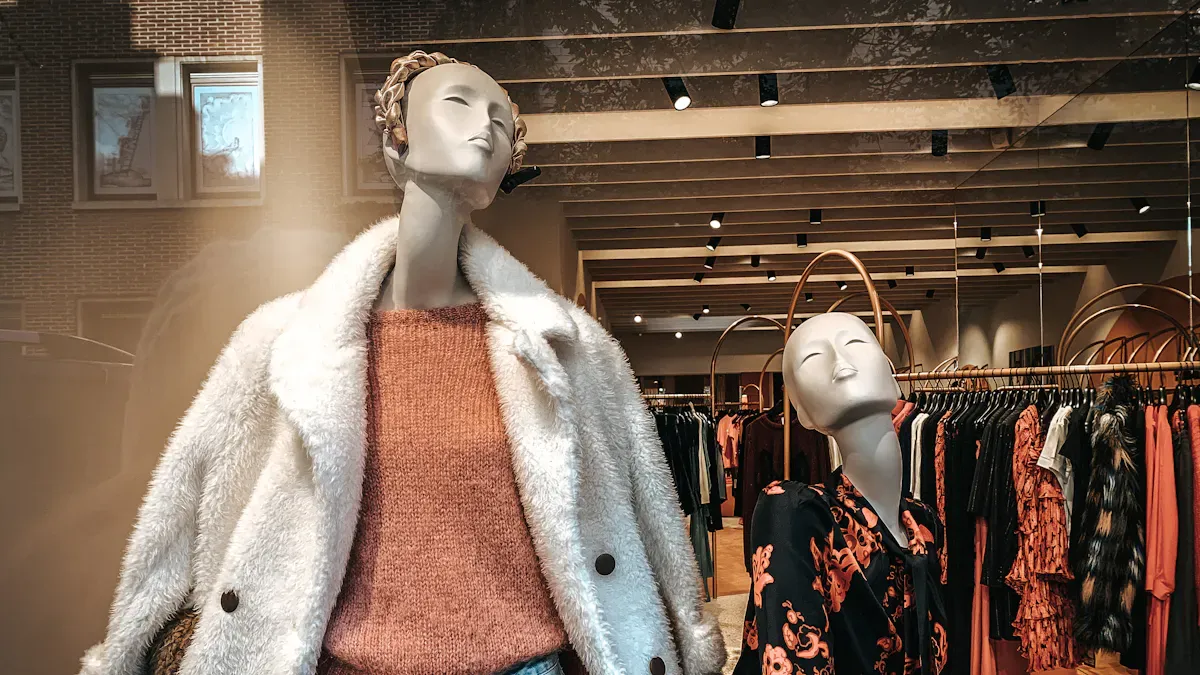
Consumer behavior plays a huge role in how I manage my sleepwear inventory. I’ve learned that understanding what drives my customers can help me make better decisions. Here are some key factors that influence their buying habits:
- Seasonal Preferences: I’ve noticed that consumers have distinct preferences based on the season. For example, during summer, they lean towards lightweight fabrics like cotton and bamboo. These materials keep them cool and comfortable. In contrast, winter brings a demand for warmer options like flannel, which offers that cozy, insulating feel. Here’s a quick look at the differences:
Season Preferred Material Characteristics Summer Lightweight fabrics (cotton, modal, bamboo) Cool, breathable, moisture-wicking Winter Flannel Warm, insulating, soft texture - Marketing Influence: I’ve seen how effective marketing campaigns can sway consumer behavior. For instance, government initiatives promote sleep hygiene, highlighting the importance of comfortable sleepwear. This kind of messaging resonates with shoppers. Additionally, the rise of remote work has increased demand for comfortable clothing like pajamas. The Bureau of Labor Statistics reported that 27% of American workers engaged in telework in 2024, which has certainly influenced my inventory choices.
- Income Levels: The income level of my customers also shapes their buying habits. Higher income levels often lead to a greater demand for luxury and sustainable sleepwear. I’ve noticed that in Europe, premium purchases are a significant driver of the market. In North America, rising disposable incomes support a preference for premium comfort wear. This trend encourages me to stock a variety of price points to cater to different customer segments.
- Health and Wellness Trends: With the growing focus on health and wellness, consumers are becoming more aware of how their sleepwear affects their sleep quality. The Department of Health and Human Services supports this trend through wellness initiatives that promote the importance of appropriate sleepwear. I find that when I align my inventory with these health-conscious trends, I see a boost in sales.
By keeping an eye on these consumer behaviors, I can adjust my inventory to meet their needs. It’s all about being proactive and responsive to what my customers want.
Agile Inventory Strategies
When it comes to managing my sleepwear inventory, I’ve found that agility is crucial. Seasonal fluctuations can catch me off guard if I’m not prepared. Here are some strategies I use to stay ahead of the game:
- Modular Planning & Replenishment: I buy small batches of sleep wear early in the season. This way, I can top up my stock as demand becomes clearer. It helps me avoid overstock and allows for rapid restocking when items sell out.
- Vendor Flexibility: I diversify my suppliers. Working with partners who offer low minimum order quantities (MOQs) and short lead times keeps me from relying on just one source. This flexibility ensures I can adapt quickly to changing demands.
- Use of Predictive Analytics: I leverage AI and machine learning tools to forecast demand. By analyzing various data sources, I can anticipate swings in demand, which reduces stockouts and overstock situations. This tech-savvy approach has made a significant difference in my inventory management.
- Cross-Category Seasonal Swaps: I shift between seasonal categories to optimize shelf space. For example, when summer ends, I transition my focus from lightweight sleepwear to warmer options. Collaborating with suppliers who can adjust assortments seasonally helps me maintain relevance throughout the year.
To support these strategies, I rely on technologies like Centric PLM and AIMS360. Centric PLM offers demand planning and real-time data integration, while AIMS360 helps with inventory management and sales margin reports. These tools streamline my processes and keep me informed.
By implementing these agile inventory strategies, I can better align my sleepwear offerings with consumer demand. Staying flexible not only boosts my sales but also minimizes waste, allowing me to thrive in a competitive market.
Strengthening Vendor Relationships
Building strong relationships with my vendors has been a game changer for managing my sleepwear inventory. When I maintain open lines of communication with my trusted suppliers, I can quickly adjust orders based on market feedback and changing consumer behavior. This flexibility is crucial, especially during peak seasons when demand can shift unexpectedly.
To negotiate flexible supply agreements, I focus on a few best practices:
- I evaluate suppliers by reviewing their historical performance during peak seasons.
- I examine their inventory management systems and capacity planning processes.
- I request detailed information about their warehouse facilities and staff scalability.
- I ask for references from clients who have experienced seasonal spikes.
- I review their communication protocols and problem-resolution procedures.
These steps help me ensure that my vendors can meet my needs when demand surges.
Collaboration with my vendors also allows me to respond quickly to unexpected shifts in seasonal demand. By diversifying my vendor mix, I enhance flexibility and resilience in my supply chain. This means I can adapt swiftly to changes, whether it’s a sudden rise in demand for cozy flannel pajamas in winter or a need for lightweight cotton options in summer.
Additionally, I’ve learned that early planning makes flexibility possible. It can differentiate between a profitable season and one filled with missed opportunities. By focusing on every part of the supply chain, I simplify complex processes and keep my inventory aligned with customer preferences.
In the end, strong vendor relationships not only help me manage my inventory better but also position my business for success in a competitive market.
Effective Inventory Forecasting
When it comes to managing my sleepwear inventory, effective forecasting is a game changer. I’ve learned that accurately predicting seasonal demand can make or break my business. Here are some strategies I use to enhance my forecasting:
- Historical Sales Data: I analyze past sales trends to identify patterns. For instance, I noticed that during the holiday season, my sales spike significantly. This insight helps me prepare my inventory ahead of time.
- Market Analysis: I keep an eye on market trends and consumer preferences. For example, I found that rising disposable incomes lead consumers to choose higher-quality sleepwear. This means I need to stock premium options to meet that demand.
Here’s a quick look at how historical sales data and market analysis improve my inventory forecasting:
| Aspect | Details |
|---|---|
| Seasonal Product Development | I create distinct summer and winter collections with climate-appropriate fabrics. |
| Winter Lines | These feature brushed fleece and thermal lining options for warmth. |
| Summer Lines | I utilize ultra-lightweight Tencel and perforated designs for breathability in warmer regions. |
Additionally, I’ve started using artificial intelligence to boost my forecasting accuracy. AI analyzes vast datasets to predict material and style requirements. This capability helps me avoid stockouts of popular items and minimizes overstocking of slow-moving inventory.
- AI-driven predictive analytics also identify emerging consumer preferences, allowing me to create targeted micro-collections that resonate with my customers.
By combining these methods, I can stay ahead of the curve and ensure my inventory aligns with what my customers want. Effective forecasting not only enhances my sales but also reduces waste, making my business more sustainable.
Seasonal flexibility is crucial for aligning my inventory with what consumers want. By implementing adaptive strategies, I can improve my sales and reduce waste. For instance, I’ve seen how just-in-time (JIT) inventory practices help minimize excess stock and enhance cash flow.
Adapting to seasonal demand peaks, which account for 38% of annual unit movement, allows me to thrive in a competitive market. Retailers who prioritize flexibility can better meet consumer preferences and drive profitability.
In the end, staying flexible isn’t just a strategy; it’s a necessity for success in the ever-changing world of sleep wear.
FAQ
What is seasonal flexibility in inventory management?
Seasonal flexibility means adjusting my inventory based on changing consumer demands throughout the year. It helps me stay relevant and meet customer preferences, ensuring I don’t end up with excess stock.
How do I identify seasonal trends?
I analyze historical sales data, monitor market trends, and pay attention to consumer behavior. This helps me spot patterns and adjust my inventory accordingly.
Why is vendor relationship important?
Strong vendor relationships allow me to negotiate flexible supply agreements. This flexibility helps me respond quickly to changes in demand, especially during peak seasons.
What role does technology play in inventory management?
I use predictive analytics and AI tools to forecast demand accurately. These technologies help me avoid stockouts and overstock situations, making my inventory management more efficient.
How can I minimize waste in my inventory?
By implementing just-in-time (JIT) inventory practices and staying flexible, I can align my stock with consumer demand. This approach reduces excess inventory and waste.
Post time: Apr-07-2026