
Introduction
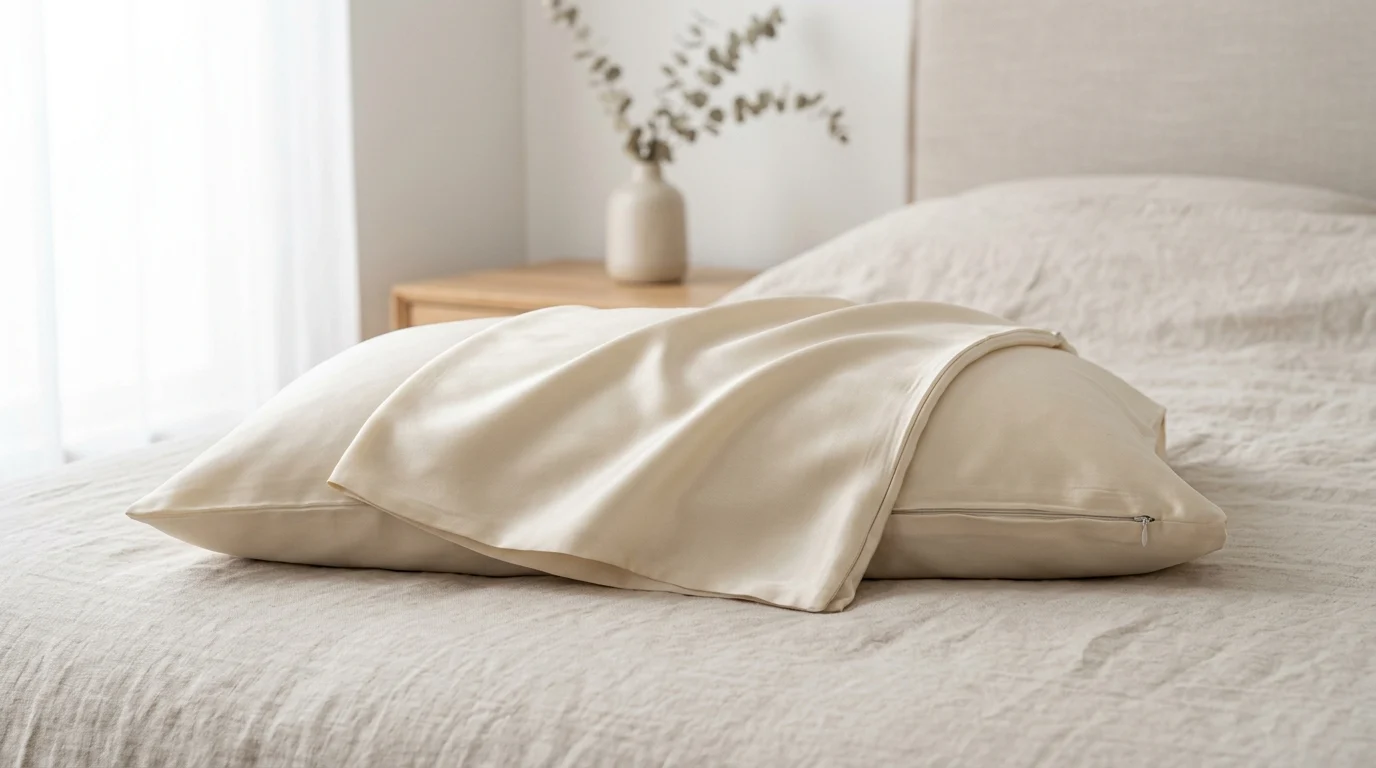
Wellness branding works best when every product reflects the promise behind the label, and silk pillowcases offer a rare mix of function, luxury, and daily visibility. An embroidered silk pillowcase can turn a simple sleep accessory into a branded touchpoint that feels aligned with self-care, beauty, and premium positioning. This article explores why silk fits so naturally within wellness merchandising, how embroidery adds distinction without making the product feel promotional, and what brands should consider when using pillowcases to increase perceived value, strengthen identity, and create a more polished customer experience.
Why Silk Pillowcases Work for Brand Positioning
I’ve spent years watching wellness brands struggle to find merchandise that doesn’t feel cheap or disconnected from their core message. If you’re running a premium label, slapping a logo on a basic cotton tote bag just doesn’t cut it anymore. What I’ve found is that introducing high-end sleep accessories can completely shift how customers perceive your brand’s value.
In fact, many founders I work with see a 20% to 30% boost in average order value when they introduce a luxury sleep accessory at checkout. It bridges the gap between daily routines and aspirational wellness, giving your audience a tangible piece of luxury they can interact with every single night.
How embroidered silk pillowcases signal wellness and luxury
When we talk about luxury, the tactile experience is everything. An embroidered silk pillowcase instantly communicates a dedication to self-care. Silk isn’t just smooth; it naturally contains 18 essential amino acids and resists common allergens.
When your customers rest their heads on a premium mulberry silk surface, they aren’t just sleeping—they’re actively protecting their skin from sleep creases and reducing overnight hair breakage. Adding a subtle, tone-on-tone embroidered logo takes that functional luxury and ties it intimately to your brand identity, turning a simple bedding item into a personalized wellness tool.
Which brand use cases and customer signals matter most
So, who exactly benefits from this? I’ve seen boutique spas, dermatology clinics, and luxury hotels seamlessly integrate these into their retail offerings. But it’s also a massive win for direct-to-consumer skincare and haircare brands.
If you sell a $150 night cream or a high-end hair serum, pairing it with premium wellness merchandise reinforces the efficacy of your primary product. It acts as a daily, physical touchpoint in the customer’s most intimate space. Every time they make their bed or go to sleep, your brand’s commitment to their well-being is front and center.
How to Evaluate Product Specs and Suppliers
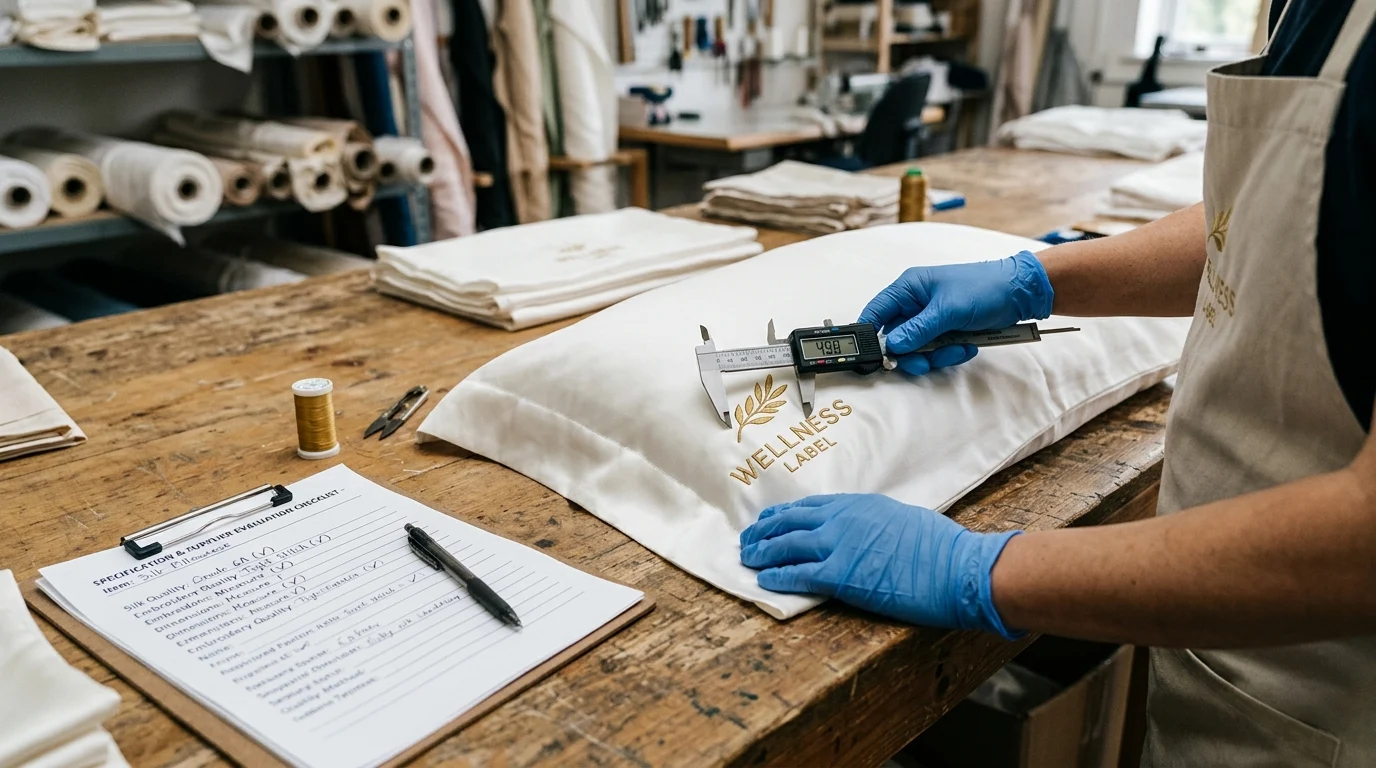
Once you’ve decided to add silk to your catalog, the real work begins. I can’t stress enough how quickly a bad sourcing decision can ruin your brand’s reputation.
Silk is a high-ticket item, and your customers will absolutely notice if you try to cut corners. You need to know exactly what specifications to demand and how to hold your manufacturing partners accountable before you wire a single dollar.
How to compare silk grade, momme weight, closure, and embroidery
First, let’s talk about the fabric itself. You’ll primarily see 19, 22, and 25 momme weights on the market. In my experience, 22 momme is the absolute sweet spot for private label silk bedding—it offers excellent durability and a dense, luxurious drape without the exorbitant cost of 25 momme.
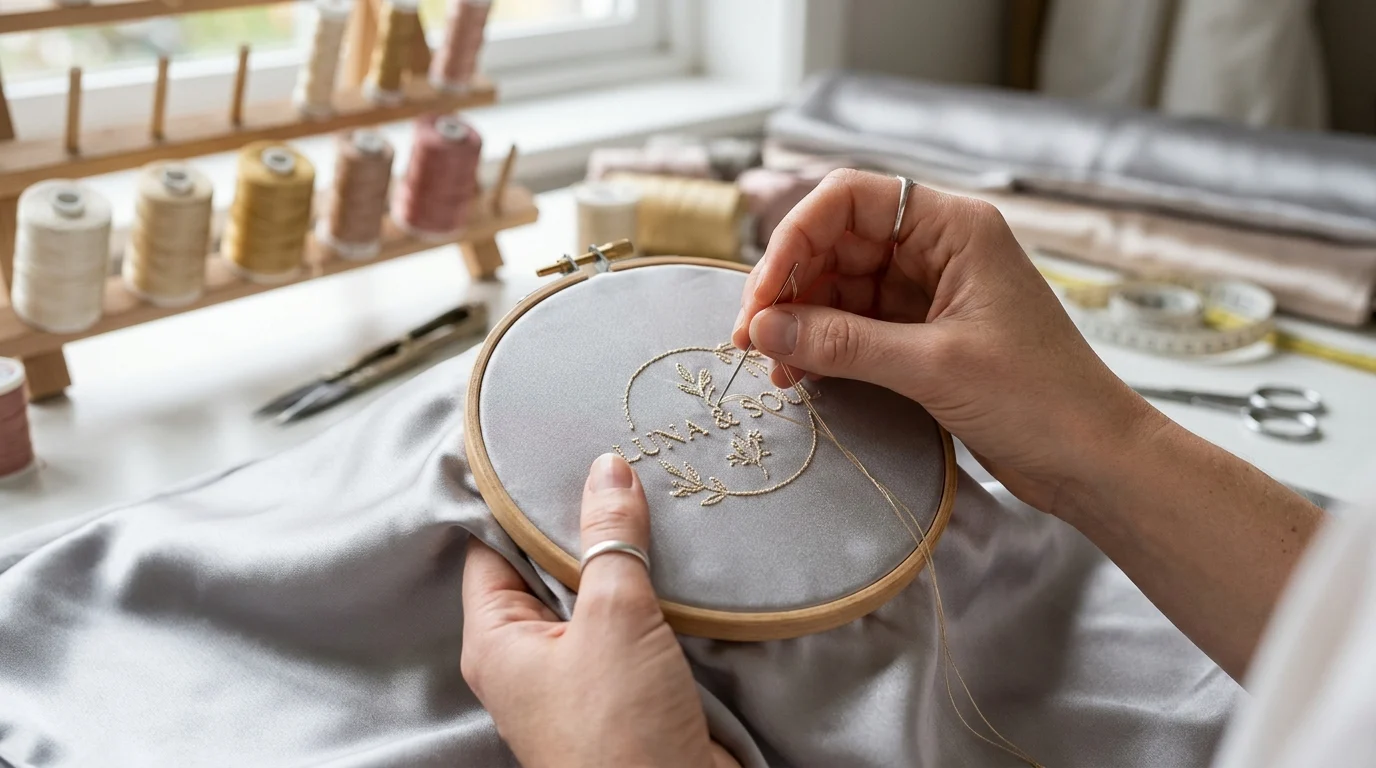
Always insist on Grade 6A long-strand mulberry silk. For the closure, I highly recommend a hidden YKK zipper over a standard envelope fold, as it keeps the pillow secure and looks much cleaner. When it comes to the embroidery, keep it small (usually no larger than 2×2 inches) and position it in the bottom corner so it never rubs against the user’s face while they sleep.
What to include in a supplier vetting comparison table
When I vet suppliers, I never rely on their marketing pitch. I build a strict comparison matrix to evaluate their capabilities. You need to look at their Minimum Order Quantities (MOQs), production lead times, and guaranteed defect rates.
Here is a breakdown of what your vetting table should look like to ensure you’re partnering with a reliable factory:
| Metric | Ideal Supplier Standard | Red Flag Warning |
|---|---|---|
| Silk Grade | Grade 6A Mulberry Silk | Unspecified or Grade B/C |
| Momme Weight | 22mm (Verified) | “Silk feel” or blended polyester |
| Custom MOQ | 50 – 100 pieces | 1,000+ pieces (ties up cash flow) |
| Defect Rate | < 1.5% | > 3% or no replacement guarantee |
| Lead Time | 15 – 25 days | 45+ days |
How to Decide if a Custom Silk Pillowcase Fits Your
Even with the right specs and a solid supplier, you still need to determine if this product aligns with your current business model.
Launching a new SKU requires capital, time, and a clear marketing strategy. Let’s walk through the practical steps of getting this off the ground and how to run the numbers to ensure it makes financial sense for your label.
What steps help you launch a branded silk pillowcase
The first step I always advise is ordering a generic sample to test the fabric quality and the zipper construction, followed by a custom strike-off of your logo. This sampling phase usually takes 7 to 14 days. Once you approve the branded silk pillowcase, you need to finalize your packaging.
A premium magnetic gift box elevates the unboxing experience, but it will add about $1.50 to $2.50 per unit in costs and increase your shipping volume. If you’re tight on warehouse space or want to keep freight costs down, custom-printed silk drawstrings or minimalist recycled paper envelopes are excellent, cost-effective alternatives.
Which criteria show whether custom embroidery is the right choice
Ultimately, the decision comes down to your margins and brand positioning. You should expect a landed cost of anywhere from $15 to $25 per unit for a high-quality custom logo silk pillowcase, depending on your order volume, momme weight, and packaging choices.
If your brand comfortably commands a retail price of $50 to $85+, the margins are incredibly healthy and make perfect business sense. However, if your audience is extremely price-sensitive and expects accessories under $30, the math simply won’t work for genuine 22-momme silk. In that case, you might risk cheapening your brand by opting for a lower-grade alternative, so it’s better to hold off until your customer base is ready for a true luxury tier.
Key Takeaways
- The most important conclusions and rationale for Silk Pillowcase
- Specs, compliance, and risk checks worth validating before you commit
- Practical next steps and caveats readers can apply immediately
Frequently Asked Questions
Why are embroidered silk pillowcases a strong fit for wellness branding?
They combine daily-use luxury with practical benefits like less hair breakage and fewer sleep creases, making your brand feel premium and relevant every night.
What silk specs should I choose for a private label silk pillowcase?
Choose Grade 6A long-strand mulberry silk, 22 momme weight, and a hidden YKK zipper for the best balance of feel, durability, and presentation.
How should a logo be embroidered on a silk pillowcase?
Keep embroidery subtle, about 2×2 inches or smaller, and place it in the bottom corner so it looks refined and avoids facial contact during sleep.
What supplier standards should I check before ordering from cnwonderfultextile.com?
Confirm Grade 6A mulberry silk, verified 22 momme, MOQ around 50–100 pieces, lead time of 15–25 days, and a defect rate under 1.5%.
Which brands benefit most from custom silk pillowcases?
Boutique spas, dermatology clinics, luxury hotels, and premium skincare or haircare brands benefit most because the product supports visible self-care and high-end positioning.
Post time: May-06-2026