
Introduction
By 2026, wholesale buyers of silk scrunchies are evaluating more than fabric quality and color range; packaging has become part of the product’s value. Eco-friendly materials now influence brand perception, retail readiness, and purchasing decisions, especially for accessories positioned as premium and giftable. This article explains the packaging trends shaping the silk scrunchie market, from recyclable paper formats to compostable sleeves and reusable pouches, while clarifying why these options matter commercially as well as environmentally. It also connects material choices to customer expectations, unboxing experience, and wholesale appeal, setting up a practical look at what suppliers and brands should prioritize next.
Why Eco-Friendly Packaging Matters for Wholesale Silk Scrunchies
Looking at the wholesale market for 2026, the shift is undeniable. Buyers no longer just want premium silk; they want the entire presentation to reflect environmental responsibility. As a Green Beauty Supplier, we have noticed that wrapping a luxurious, natural product like a silk scrunchie in cheap, single-use plastic instantly degrades its perceived value. Today’s consumers are highly educated about the lifecycle of their purchases, expecting the unboxing experience to match the high-end nature of mulberry silk.
Defining Eco-Friendly Packaging for Silk Scrunchies
Eco-friendly packaging means moving away from virgin plastics and embracing materials that either return to the earth or stay in the recycling loop. When discussing Sustainable Silk Scrunchies, packaging should feature FSC-certified kraft paper, biodegradable PLA (polylactic acid) sleeves, or reusable cotton pouches. Understanding the stark contrast in material lifespans is vital. A standard plastic polybag takes up to 500 years to decompose in a landfill, whereas a compostable mailer made from plant starches breaks down in just 90 to 180 days under commercial composting conditions. This massive reduction in environmental impact is exactly what modern brands seek.
Market Signals Driving Sustainable Packaging Demand
Market signals are flashing bright green, and the numbers back up this trend. Recent retail data shows that 73% of Gen Z consumers are willing to pay a 10% to 15% premium for sustainable products, which absolutely includes the box or sleeve. We have seen wholesale clients increase their retail sell-through rates by up to 22% simply by switching to plastic-free displays that clearly state their eco-credentials.
Section Key Points: Transitioning to green packaging isn’t just an ethical choice; it’s a measurable retail advantage. By replacing standard polybags (100% plastic) with kraft bands (0% plastic), brands see a 22% bump in retail velocity while cutting packaging waste lifespans from 500 years to under 6 months.
Best Packaging Materials and Formats for Wholesale Silk Scrunchies
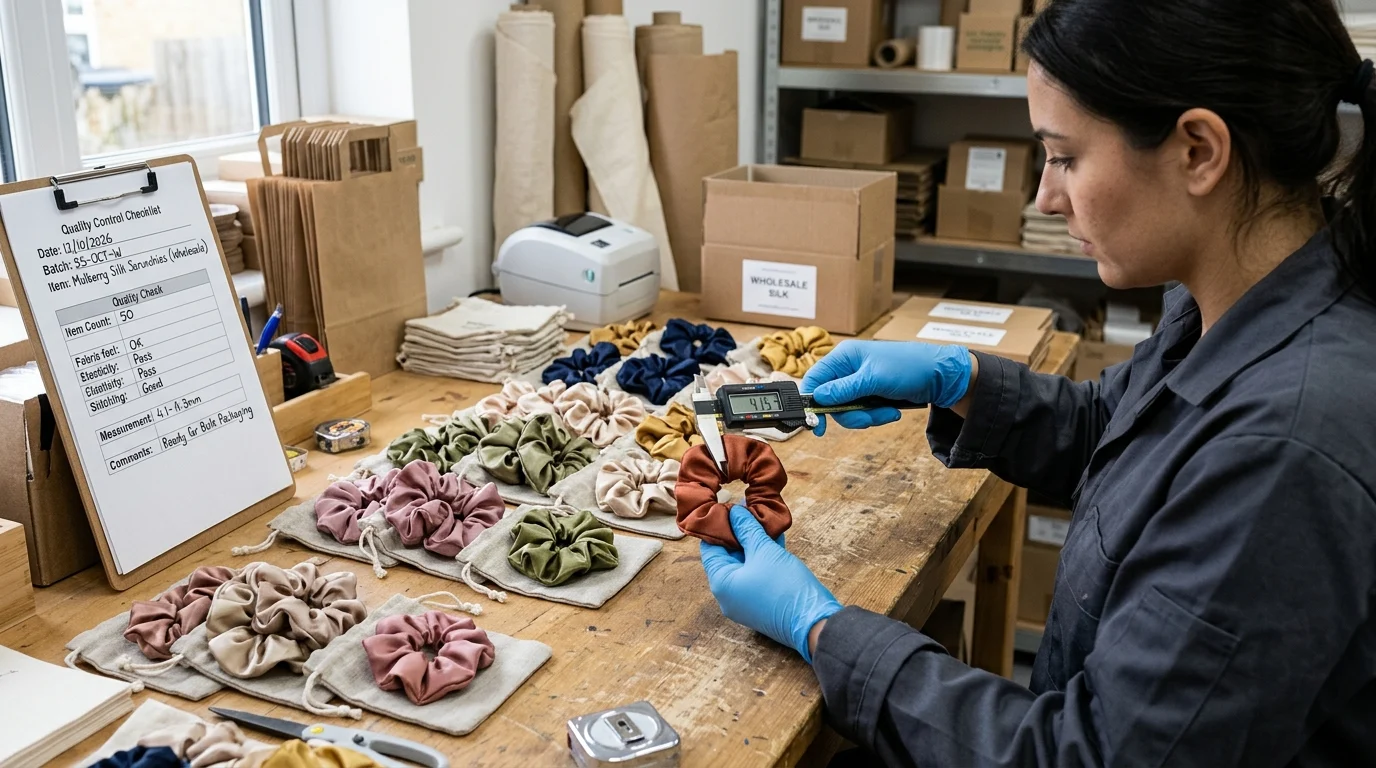
Finding the sweet spot between protecting delicate silk and staying earth-friendly is a priority for suppliers and clients alike. You want wholesale orders to arrive pristine, free from dust or moisture damage, while avoiding drowning shipments in unnecessary bubble wrap. The materials chosen will directly impact a brand’s reputation and bottom line.
Comparing Recycled, Certified, and Compostable Packaging Options
Let’s break down the most popular materials used for Eco-Friendly Packaging Wholesale. Recycled kraft paper is a staple because it is highly cost-effective and easily recyclable curbside. Compostable PLA bags offer the transparency and water resistance of plastic but are made from renewable resources like corn starch. Finally, reusable organic cotton pouches add a premium, gift-like feel that customers tend to keep and reuse long after the initial purchase.
| Material Type | Average Cost per Unit ($) | Typical MOQ | End-of-Life |
|---|---|---|---|
| FSC Kraft Paper Bands | $0.02 – $0.05 | 1,000 | 100% Recyclable |
| PLA Compostable Bags | $0.08 – $0.15 | 5,000 | Composts in 90-180 days |
| Reusable Cotton Pouches | $0.25 – $0.40 | 500 | Reusable / Biodegradable |
It is also crucial to consider the inks used; switching from petroleum-based inks to soy-based inks ensures that paper and compostable options break down without leaving toxic residues in the soil.
How to Evaluate Packaging Formats for Cost and Protection
When evaluating formats, you must weigh protective qualities against your budget. A pure silk scrunchie is vulnerable to moisture and snagging. While a paper band is incredibly cost-effective at just $0.03 per unit, it leaves the silk exposed during transit, which might be risky for humid climates. For maximum protection, a PLA bag keeps moisture out while maintaining a green profile. We pride ourselves on helping brands navigate these exact choices, offering customized eco-packaging solutions even on lower MOQs and leveraging a robust supply chain to support emerging labels.
Section Key Points: The right material depends on your budget and protective needs. Kraft paper offers the lowest cost ($0.02/unit) but minimum protection, while compostable bags ($0.08/unit) provide excellent moisture barriers. Reusable pouches carry the highest upfront cost ($0.25/unit) but deliver the highest post-purchase brand retention.
How to Choose the Right Eco-Friendly Packaging Strategy
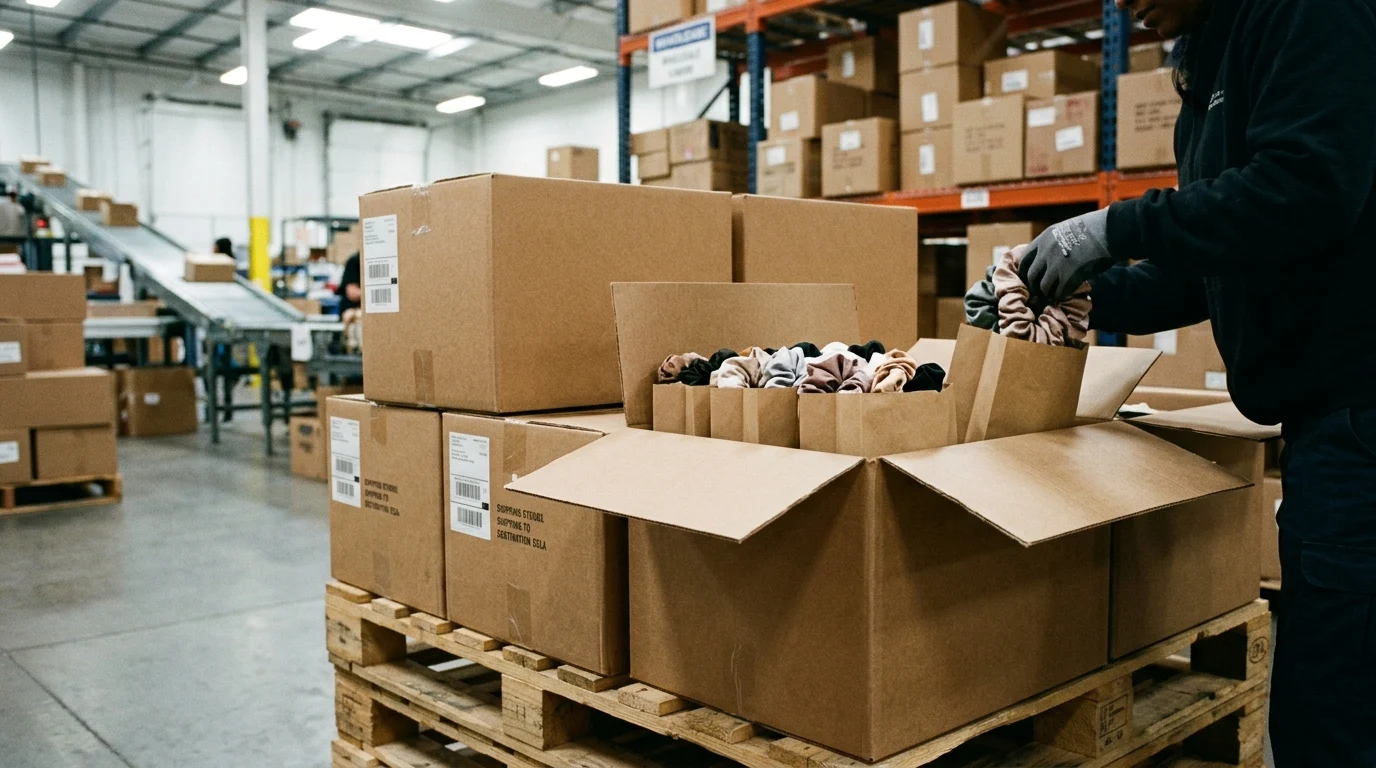
Picking a packaging strategy should never be an afterthought. It needs to align perfectly with your brand’s core values, target retail price point, and logistical reality. Whether you are launching a completely new line of Biodegradable Hair Accessories or simply upgrading an existing catalog to meet 2026 consumer expectations, having a clear roadmap saves both time and money.
A Step-by-Step Packaging Selection Process
First, audit your primary distribution channel. If you are selling strictly via e-commerce, your scrunchies will face rough transit conditions through multiple postal hubs, making durable compostable mailers or sturdy recycled boxes a necessity. If you are supplying brick-and-mortar boutiques, visual appeal and tactile experience take priority, making custom-printed kraft hang tags or open-face paper boxes ideal. Next, calculate your packaging budget carefully. Keeping packaging costs under 8% to 10% of your total wholesale product cost helps maintain healthy margins. Finally, partner with a manufacturer who truly understands Private Label Silk Scrunchies. Our team at Wonderful Textile handles the entire process in-house, ensuring your eco-packaging matches the exact dimensions, color palettes, and luxury feel of the scrunchies inside.
Key Decision Points and Practical Use Cases
Let’s look at a practical use case to see how this plays out.
Key Takeaways
- The most important conclusions and rationale for Silk Scruchies
- Specs, compliance, and risk checks worth validating before you commit
- Practical next steps and caveats readers can apply immediately
Frequently Asked Questions
What is the most cost-effective eco packaging for wholesale silk scrunchies?
FSC kraft paper bands are usually the lowest-cost option at about $0.02–$0.05 per unit and work well for retail display packs.
Which packaging protects silk scrunchies best during shipping?
Compostable PLA bags are the most practical choice for transit because they help block moisture and dust while keeping a greener profile than standard plastic.
Can CN Wonderful Textile customize eco-friendly packaging for silk scrunchies?
Yes. CN Wonderful Textile offers customized eco-packaging options for wholesale silk scrunchies, including kraft bands, compostable bags, and reusable pouches.
Are reusable cotton pouches worth the higher packaging cost?
Yes, for premium positioning. Cotton pouches cost more upfront, but they add gift value, support reuse, and can improve brand recall after purchase.
What inks should be used on sustainable silk scrunchie packaging?
Soy-based inks are a better choice because they support recyclability and compostability better than petroleum-based inks on paper or compostable packaging.

Post time: May-19-2026