
Introduction
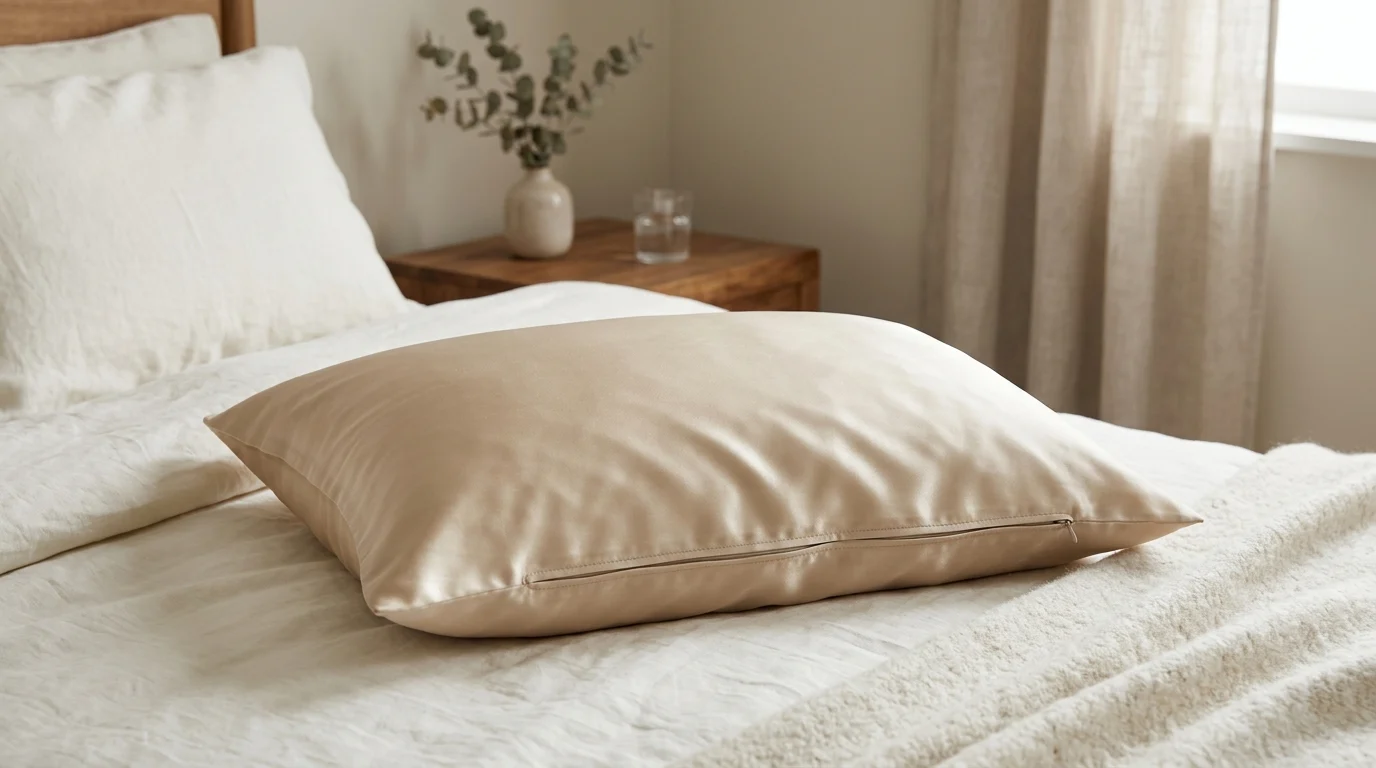
Silk pillowcases have moved beyond boutique luxury to become a fast-growing product at the intersection of beauty, wellness, and bedding. Demand is being fueled by consumer interest in smoother hair, reduced skin friction, better sleep routines, and products that fit naturally into daily self-care. At the same time, private label models are making it easier for beauty brands and retailers to enter the category with stronger margins and clearer brand differentiation. This article explains what is driving that growth, how silk pillowcases are being repositioned in the global beauty industry, and why private label strategies are becoming an important competitive advantage.
Why the Private Label Silk Pillowcase Segment Is Growing
Over the last decade, I have watched the beauty and wellness industries collide in fascinating ways, but few product categories have surged quite like the private label silk pillowcase market. We are no longer just looking at a niche luxury item; we are dealing with a high-margin necessity that bridges the gap between skincare and sleep hygiene.
From my experience working with brands across the US, EU, Japan, and Australia, introducing a dedicated silk line often drives a 30% to 40% boost in cross-sell revenue for established beauty and cosmetics retailers. It is a natural extension for any brand looking to capture a larger share of their customers’ daily routines.
From Beauty Accessory to Core Bedding Product
In the early days, a silk pillowcase was often marketed strictly as a hair care accessory to prevent frizz and breakage. Today, it sits squarely at the center of the core bedding and anti-aging skincare conversations. Dermatologists and beauty influencers alike champion the friction-reducing properties of silk, which help prevent sleep creases and retain skin moisture throughout the night.
This shift in consumer perception means brands are upgrading their offerings to meet higher expectations. We used to see 16 momme silk as the entry-level standard for promotional items, but the market has rapidly pivoted. Now, 19 momme and 22 momme have become the baseline weights for daily, long-term use, offering the durability required for a core bedding product.
Market Signals Driving Private Label Demand
The signals driving this demand are impossible to ignore. E-commerce retailers on platforms like Amazon, AliExpress, and Shopify are seeing massive search volume spikes for custom logo bedding. Consumers do not just want generic silk; they want personalized luxury from brands they already trust.
Additionally, the shift toward sustainable and natural fibers has pushed synthetic satin out of favor for premium buyers. When a customer is willing to spend $60 or more on a night cream, they are increasingly willing to invest in a complementary sleep surface. The demand for classical, elegant designs tailored to Western and Japanese preferences makes this the perfect time to launch a branded silk line.
Key Specifications and Sourcing Choices for a Silk Pillowcase Line
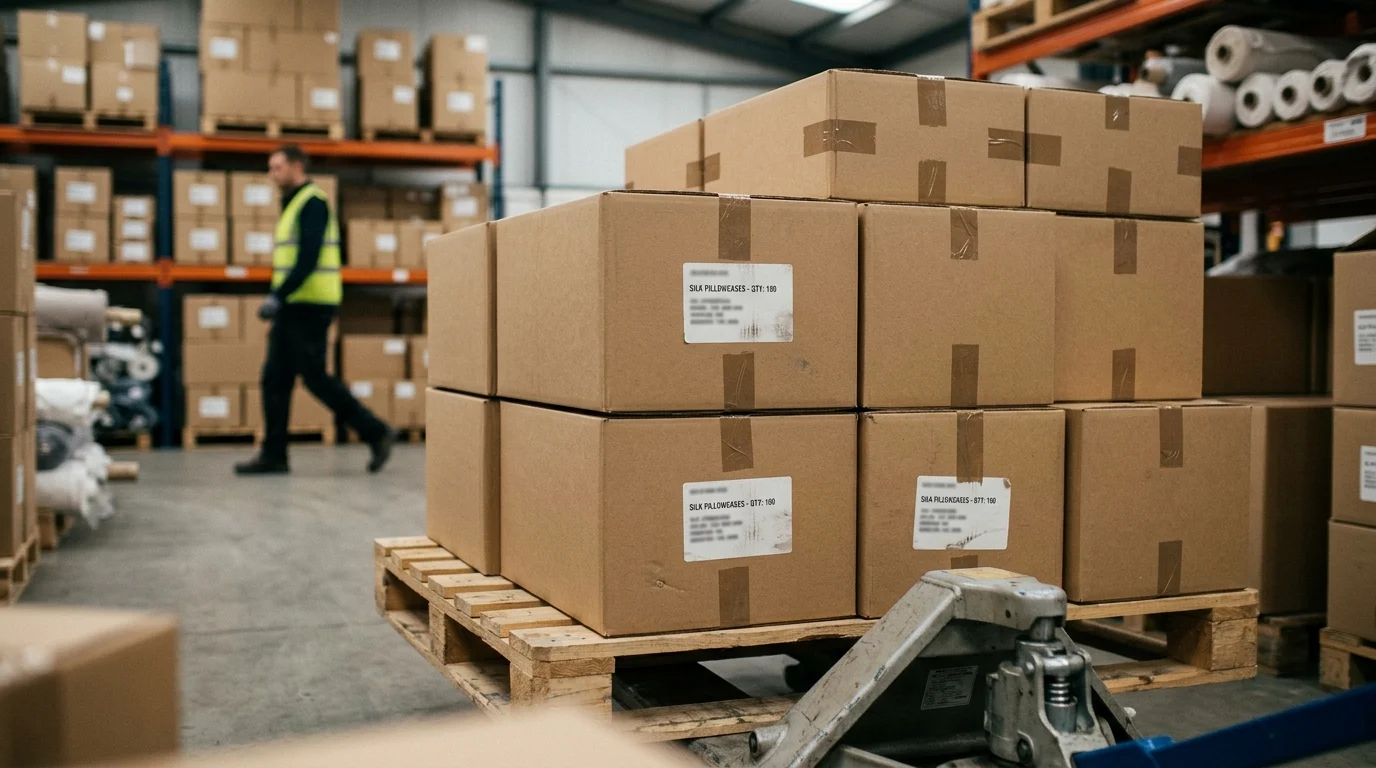
When you decide to launch your own line, navigating the technical specifications is where the real work begins. Operating out of Shaoxing, China—a major hub for textile manufacturing—I have spent ten years refining OEM and ODM services for global clients. The choices you make regarding material weight, weave, and finishing directly impact your product’s perceived value and longevity.
| Momme Weight | Typical Application | Relative Cost Index | Durability Rating |
|---|---|---|---|
| 16 Momme | Budget / Promotional | $ | Low-Medium |
| 19 Momme | Standard Retail / E-commerce | $$ | Good |
| 22 Momme | Premium Beauty Brands | $$$ | Excellent |
| 25 Momme | Ultra-Luxury Bedding | $$$$ | Exceptional |
How to Compare Silk Options by Material and Quality
The gold standard for any high-quality pillowcase is Grade 6A long-strand Mulberry silk. Beyond the grade, the momme weight (a measure of silk density) is your most critical specification. A 19 momme pillowcase offers a great balance of affordability and comfort, while 22 momme provides a noticeably richer, more substantial hand-feel that commands a much higher retail price.
It is also vital to ensure your fabric meets strict safety standards. I always recommend verifying that the silk is OEKO-TEX Standard 100 certified. This certification guarantees the fabric is free from harmful chemicals, which is a non-negotiable metric for today’s health-conscious beauty consumers who press their faces into the fabric for eight hours a night.
What to Include in a Supplier Comparison for MOQ and Production
Evaluating suppliers is not just about finding the lowest unit price; it is about securing flexible, reliable production. When comparing partners for OEM silk products, look closely at their Minimum Order Quantities (MOQs) and lead times (L/T).
A strong manufacturing partner should offer low MOQs—often around 50 to 100 pieces per color for standard sizes—allowing you to test new classical designs or seasonal palettes without tying up too much capital. Furthermore, ask about their finishing options. Can they handle custom hems, fringes, invisible zippers, or specific envelope closures? A supplier with a tightly integrated component supply chain will offer these variations without drastically extending production timelines.
How Brands Can Build a Profitable Silk Pillowcase Program

Creating a great product is only half the battle; the other half is structuring the program so it actually scales. Successful silk pillowcase branding requires a strategic approach to sourcing, risk mitigation, and inventory management.
I always advise brands to look beyond the initial purchase order and plan for the entire product lifecycle, ensuring every touchpoint from the factory floor to the customer’s unboxing experience is optimized for profit and brand loyalty.
Steps to Reduce Risk in Sampling, Compliance, and Production
Never skip the sampling phase. Before committing to a bulk order, you need to physically verify the fabric quality, zipper durability, and stitching precision. During compliance checks, ensure the dyed fabric meets a minimum colorfastness rating of Grade 4 to prevent dye bleeding onto your customers’ expensive sheets.
You should also test for shrinkage, which should remain strictly under 5% after a standard cold wash. Mitigating risk also means dialing in your packaging early. Whether you opt for a minimalist custom-printed polybag or a rigid magnetic gift box with hang tags, your packaging must protect the delicate fiber during transit while elevating the unboxing experience.
How to Evaluate Margin, Positioning, and Replenishment
To build a sustainable program, you need to ruthlessly evaluate your margins.
Key Takeaways
- The most important conclusions and rationale for Silk Pillowcase
- Specs, compliance, and risk checks worth validating before you commit
- Practical next steps and caveats readers can apply immediately
Frequently Asked Questions
Why are private label silk pillowcases growing so fast in beauty retail?
They connect skincare, haircare, and sleep in one product. Many beauty brands use them to boost average order value and cross-sell with serums, masks, and other nighttime products.
What silk quality is best for a private label pillowcase line?
Grade 6A long-strand Mulberry silk is the preferred choice. For most brands, 19 momme works well for standard retail, while 22 momme suits premium positioning and better durability.
What certifications should I check before sourcing silk pillowcases?
Ask for OEKO-TEX Standard 100 certification. It helps confirm the fabric is tested for harmful substances, which is especially important for beauty-focused products used against skin overnight.
What MOQ is reasonable for launching a custom silk pillowcase order?
A practical starting MOQ is often 50 to 100 pieces per color for standard sizes. This lets brands test colors, packaging, and demand without overcommitting inventory.
Can cnwonderfultextile.com support OEM or private label silk pillowcase projects?
Yes. cnwonderfultextile.com focuses on OEM and ODM textile production, including silk pillowcases, with options for custom logo, fabric specs, and flexible production for global buyers.

Post time: Apr-28-2026