
Introduction
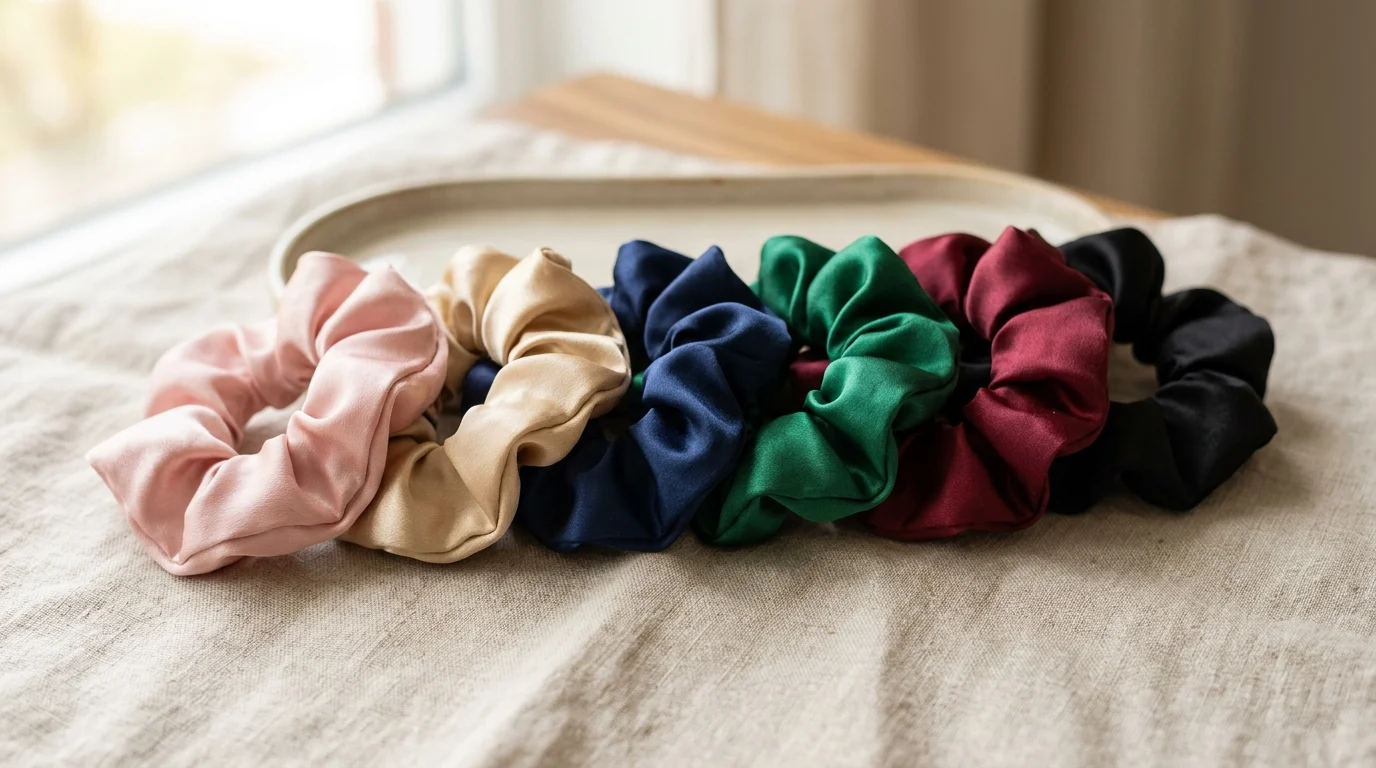
As sustainable beauty expands beyond skincare and packaging, small accessories are becoming a meaningful part of the conversation. Silk hair scrunchies stand out because they combine lower-friction hair care benefits with growing interest in natural fibers, cleaner dye processes, and reduced textile waste. Their rise reflects a broader shift in consumer expectations: people increasingly want everyday products that are gentle on both hair and environmental systems. This article examines what makes a silk scrunchie genuinely eco-friendly, why demand is accelerating in the sustainable beauty market, and how material sourcing, production methods, and product positioning are shaping this fast-growing category.
Why Silk Hair Scrunchies Are Growing in Sustainable Fashion
The beauty and fashion industries have pivoted hard toward sustainability over the last few years. It is no longer just about the clothes we wear; the accessories market is catching up fast. One standout category gaining significant traction is silk hair scrunchies. They sit right at the intersection of luxury hair care and eco-conscious consumerism. Gone are the days when a cheap elastic band was good enough. Today’s buyers want functionality paired with environmental responsibility.
Defining eco-friendly silk hair scrunchies
What exactly makes these scrunchies “eco-friendly”? True organic silk scrunchies go beyond merely using natural fibers. They are typically made from mulberry silk cultivated without synthetic pesticides or fertilizers, protecting both the soil and agricultural workers. The dyes used are often OEKO-TEX certified, meaning they are completely free from harmful chemicals and toxins.
There is also a massive push toward zero-waste manufacturing in the textile space. In this model, offcuts from larger silk garments—like pillowcases or sleepwear—are repurposed into scrunchies. This closed-loop approach keeps perfectly good textile waste out of landfills while creating a high-margin accessory.
Key demand drivers behind market growth
Why the sudden boom in this specific niche? First, consumers are much more educated about hair health than they were a decade ago. Silk’s smooth surface drastically reduces friction, resulting in less breakage, fewer split ends, and reduced frizz compared to traditional cotton or elastic bands.
Second, the sustainability angle is a major driving force. Market reports show that demand for sustainable silk accessories has spiked by over 35% year-over-year within the green beauty sector. Buyers are actively looking for natural options to replace cheap synthetic elastics that take hundreds of years to decompose. Because a single, well-made silk scrunchie can last 12 to 18 months with proper care, the cost-per-use drops significantly, easily justifying the initial premium price tag for the end consumer.
How to Evaluate Eco-Friendly Silk Hair Scrunchies
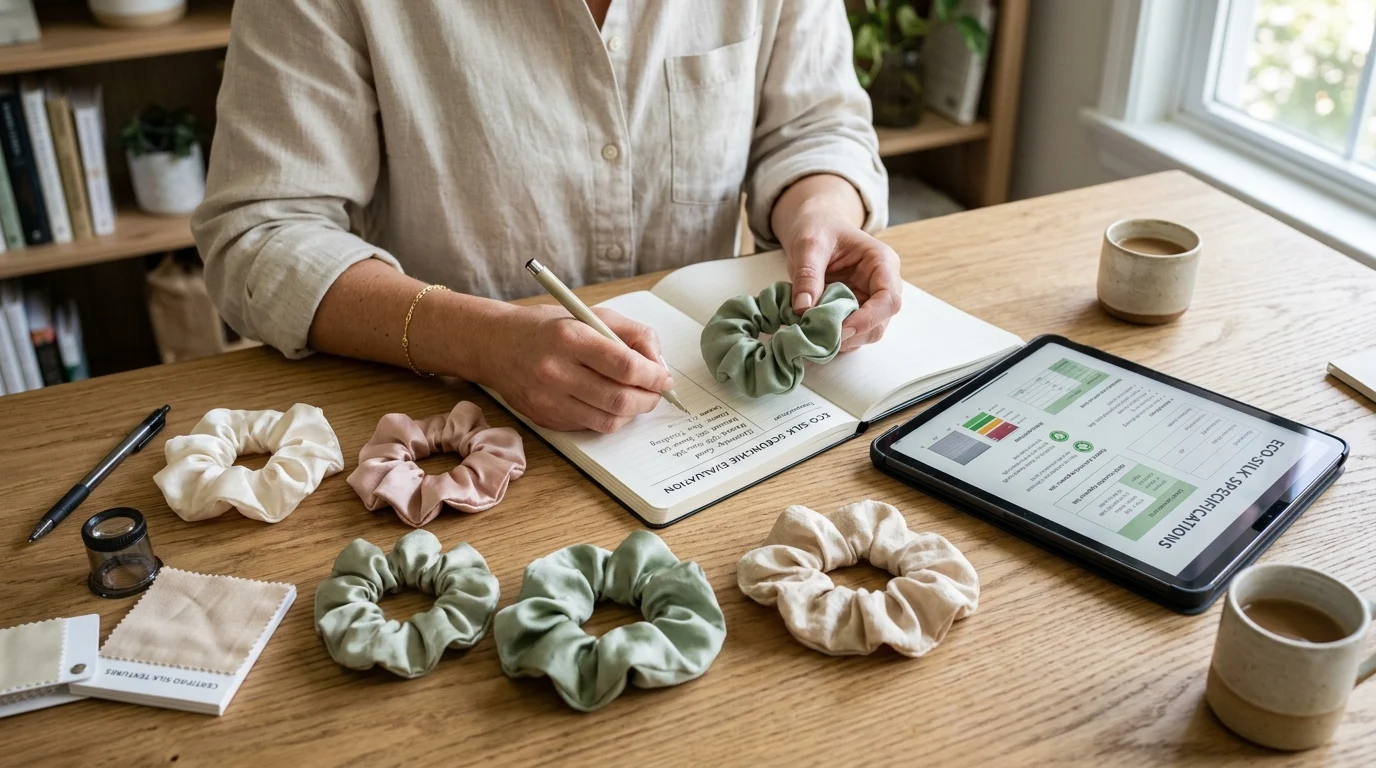
When evaluating eco-friendly hair ties for retail or wholesale, it is important to remember that not all shiny fabrics are created equal. The accessories market is currently flooded with synthetic knock-offs, and telling them apart is absolutely crucial for maintaining brand trust and integrity.
Comparing silk with satin and polyester options
A common point of confusion is the difference between silk and satin. Silk is a natural protein fiber produced by silkworms, while “satin” is merely a type of weave, which is usually made from petroleum-based polyester or nylon. Polyester scrunchies are notorious for shedding microplastics into the water system every time they are washed, and they can take up to 200 years to break down in a landfill.
Real silk, on the other hand, is a fully biodegradable material, typically decomposing in natural soil conditions within just 1 to 5 years. Here is a quick breakdown of how these two materials stack up against each other:
| Feature | Pure Mulberry Silk | Polyester Satin |
|---|---|---|
| Material Origin | Natural protein fiber | Petroleum-based synthetic |
| Biodegradability | 1 to 5 years | Up to 200 years |
| Breathability | High | Low |
| Average MOQ | 100 – 500 pieces | 1,000+ pieces |
| Microplastic Shedding | None | High |
Understanding these stark differences is the first step in educating customers on why they should make the switch.
Assessing sourcing, certifications, compliance, and packaging
Beyond the fabric itself, buyers must look closely at the broader supply chain. To successfully source biodegradable hair ties, verify third-party certifications like GOTS (Global Organic Textile Standard) or OEKO-TEX Standard 100. These certifications ensure the silk is processed without toxic heavy metals or carcinogenic dyes.
A reliable supplier should also maintain strict quality control, ideally keeping their manufacturing defect rate below 2%. Packaging is another critical, yet often overlooked, factor. Putting an eco-friendly, organic scrunchie inside a single-use plastic polybag completely defeats the purpose of sustainable sourcing. Look for suppliers who use FSC-certified paper tags, compostable mailers, or recycled cardboard boxes to keep the entire product lifecycle green from the factory floor to the customer’s hands.
How Brands and Buyers Can Respond to Rising Demand
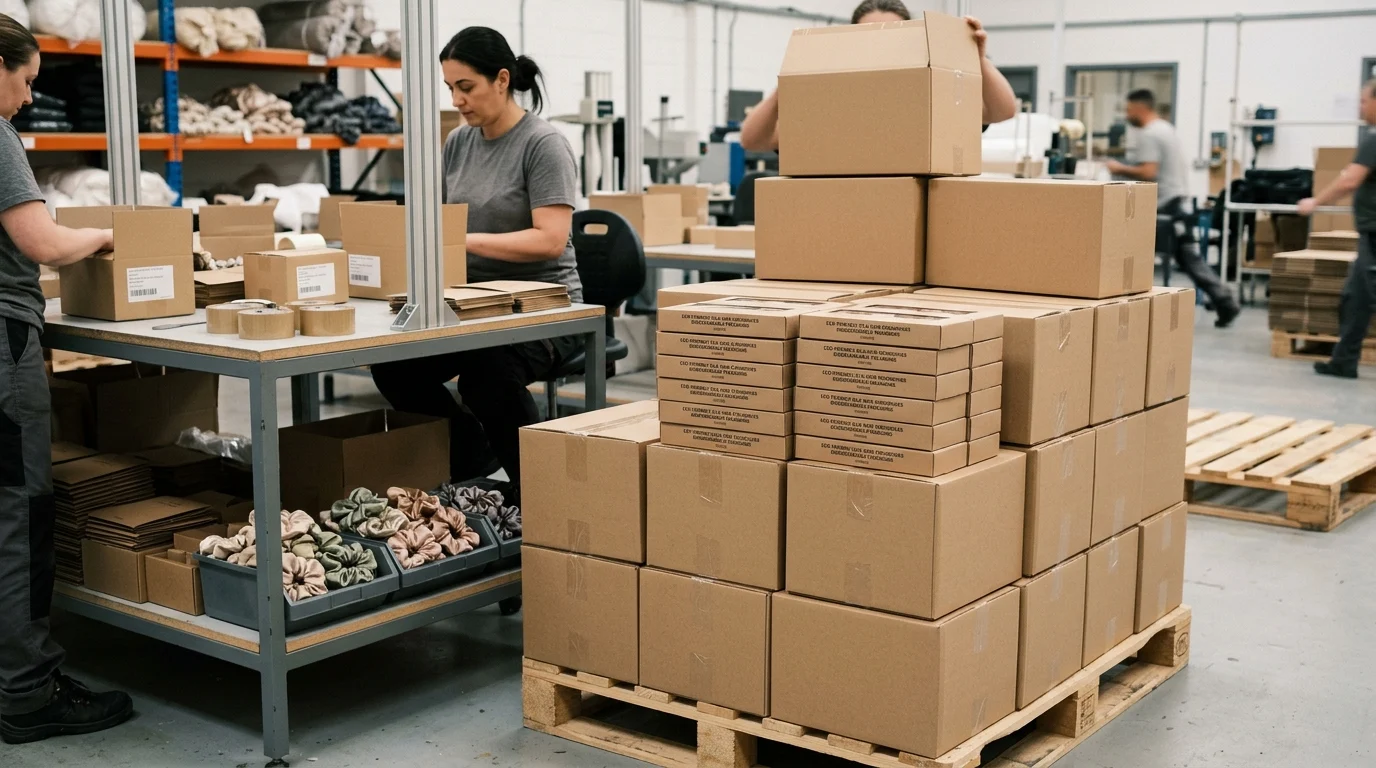
For boutiques, high-end salons, or curated e-commerce stores, ignoring the massive shift toward green beauty supply means leaving money on the table. However, jumping into this trend requires a strategic, informed approach to sourcing and merchandising.
Selecting suppliers and validating sustainability claims
It is incredibly important to thoroughly vet suppliers, especially since greenwashing is rampant in the textile industry. When evaluating potential manufacturing partners, always check their momme (mm) weight specifications. A high-quality silk scrunchie usually utilizes 19mm or 22mm silk. Anything below 16mm is simply too fragile for daily hair use; the fabric will snap, run, or tear far too quickly.
Always request certification audit reports upfront. A legitimate, eco-conscious factory will not hesitate to provide their OEKO-TEX certificate number, which can be easily and independently verified online through the official database. Do not hesitate to ask about dye house practices, either—facilities utilizing closed-loop water systems that recycle their wastewater are a massive green flag.
Deciding when silk hair scrunchies fit your assortment
When does it actually make sense to add these sustainable accessories to a retail lineup? If a customer base is already purchasing premium hair care products, scalp serums, or sustainable apparel, silk scrunchies represent a natural, low-friction cross-sell. They work beautifully at the checkout counter as an entry-level luxury item or an easy gifting option. The financials make sense, too, as they offer a high-margin addition to any eco-conscious inventory.
Key Takeaways
- The most important conclusions and rationale for Silk Hair Scrunchies
- Specs, compliance, and risk checks worth validating before you commit
- Practical next steps and caveats readers can apply immediately
Frequently Asked Questions
What makes a silk hair scrunchie eco-friendly?
Look for mulberry silk, low-impact or OEKO-TEX certified dyes, and plastic-free or recycled packaging. Scrunchies made from repurposed silk offcuts are an added sustainability bonus.
How can I tell real silk scrunchies from polyester satin?
Check the material label first. Real silk is a natural fiber, while satin is often polyester. On cnwonderfultextile.com, product details should clearly state pure mulberry silk if authentic.
Why are silk scrunchies better for hair health?
Silk creates less friction than regular elastics, which helps reduce breakage, frizz, and creases. They are especially useful for fine, curly, or chemically treated hair.
Which certifications should buyers check before ordering silk hair ties?
Prioritize OEKO-TEX Standard 100 and GOTS where applicable. These help confirm safer dyeing and more responsible textile processing for retail or wholesale purchases.
What packaging should sustainable silk scrunchies use?
Choose FSC-certified paper tags, recycled cardboard boxes, or compostable mailers. Avoid single-use plastic bags, which undermine the eco-friendly value of the product.

Post time: May-09-2026