
Introduction
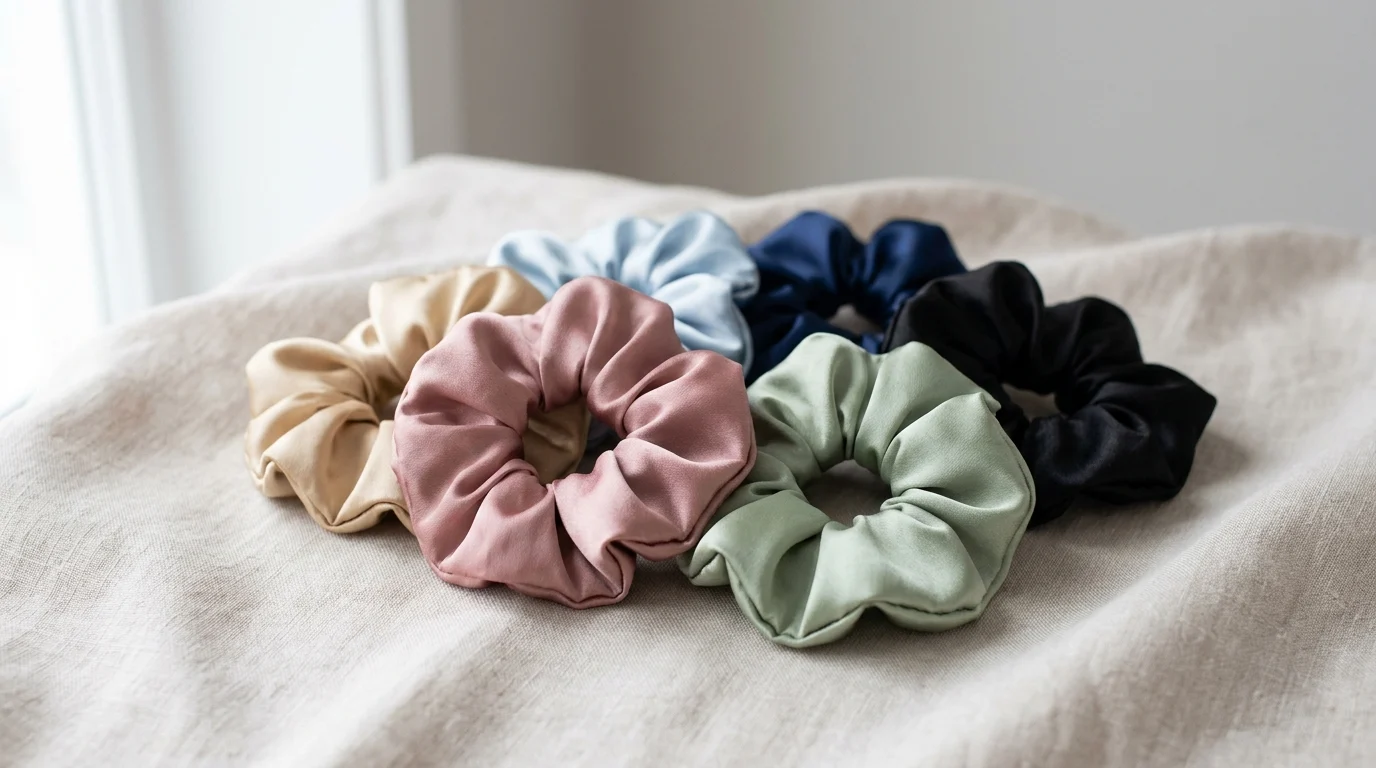
Private label silk scrunchies sit at the intersection of beauty, function, and brand presentation, making them a strong category for suppliers and growing labels alike. This guide explains what makes these accessories commercially attractive, which material and construction details affect quality, and how custom logo options influence perceived value. You’ll also get a practical view of sourcing considerations, from branding methods and minimums to packaging and consistency across production. With that foundation, the rest of the article breaks down how to evaluate silk scrunchies as a product line and choose manufacturing decisions that support both margin and long-term brand positioning.
Why Custom Logo Silk Scrunchies Are Growing in Private Label
Over the last few years, the beauty and wellness space has completely embraced premium hair accessories. As someone who helps brands navigate the manufacturing side, I can tell you that silk scrunchies have evolved from a niche luxury item into an absolute staple for modern consumer brands.
How silk scrunchies match current private label demand
What is driving this massive surge? Consumers are hyper-aware of hair health, actively seeking products that prevent breakage, frizz, and friction. On the business side, private label scrunchies offer an incredible combination of high perceived value and low shipping weight.
Retail margins on premium silk accessories can easily hit 65% to 80%, which gives you plenty of room for marketing, influencer seeding, and customer acquisition. They are also universally sized, completely eliminating the sizing returns that notoriously plague apparel and accessory brands.
Which product details matter most for suppliers
When evaluating these products for a new launch, look straight at the customization potential. The silk fabric is just your blank canvas; the branding details are what make it truly yours. Woven logo tags are the industry standard, but more brands are now opting for direct silk embroidery or custom-printed patterns.
For most factories, if you want custom-dyed colors to perfectly match your brand’s Pantone codes, expect a Minimum Order Quantity (MOQ) of around 500 pieces. However, if you are willing to select from the supplier’s stock fabric colors, you can often negotiate that MOQ down to just 100 pieces per color, making it a highly accessible entry point for startups.
Key Specifications and Cost Drivers for Silk Scrunchies
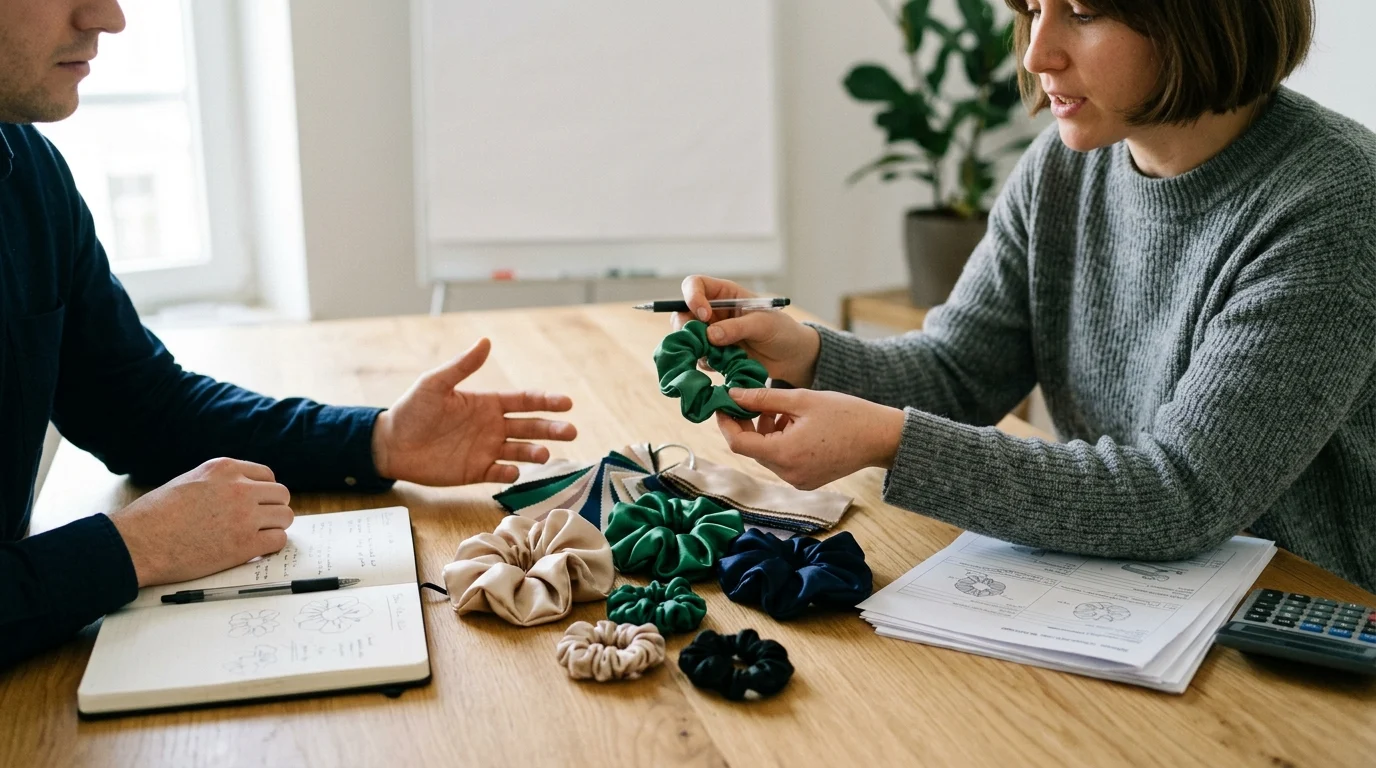
You cannot just tell a supplier you want “silk” and hope for the best. To build a reputable brand, you must get into the weeds with your material specifications. The difference between a product that feels luxurious and one that falls flat comes down to a few exact metrics.
Which specifications should buyers compare
The two most critical specs you need to lock down are the silk grade and the momme (mm) weight. Always insist on Grade 6A silk, which uses the longest, most uniform threads available. For the weight, you generally choose between 16mm, 19mm, and 22mm. You also need to ask about the inner elastic—an often overlooked component. A high-quality elastic core should have a stretch ratio of at least 1:2.5 to ensure it wraps around the hair two to three times without snapping.
| Momme Weight | Characteristics | Best Use Case | Typical B2B Unit Cost |
|---|---|---|---|
| 16mm | Lightweight, slight sheer, delicate | Budget-friendly promotional items | $1.20 – $1.80 |
| 19mm | Excellent balance of durability and drape | Standard OEM silk accessories | $1.90 – $2.50 |
| 22mm | Dense, ultra-luxurious, maximum durability | Premium retail collections | $2.60 – $3.50 + |
How to evaluate cost and quality trade-offs
Finding the sweet spot between cost and quality is crucial during product development. If you drop down to 16mm to save a few cents, the fabric will wear out much faster against the constant tension of the internal elastic. Because of this, 19mm or 22mm is almost always recommended for serious retail brands.
While bumping up to 22mm pushes your unit cost closer to the $3.00 to $3.50 range, the tactile difference is obvious to the end consumer and justifies a higher retail price point. You also have to factor in the cost of your custom logo hair ties branding. Adding a custom woven label usually adds just $0.05 to $0.10 per unit, which is a negligible expense for a massive boost in brand authority.
How to Source, Verify, and Launch Silk Scrunchies
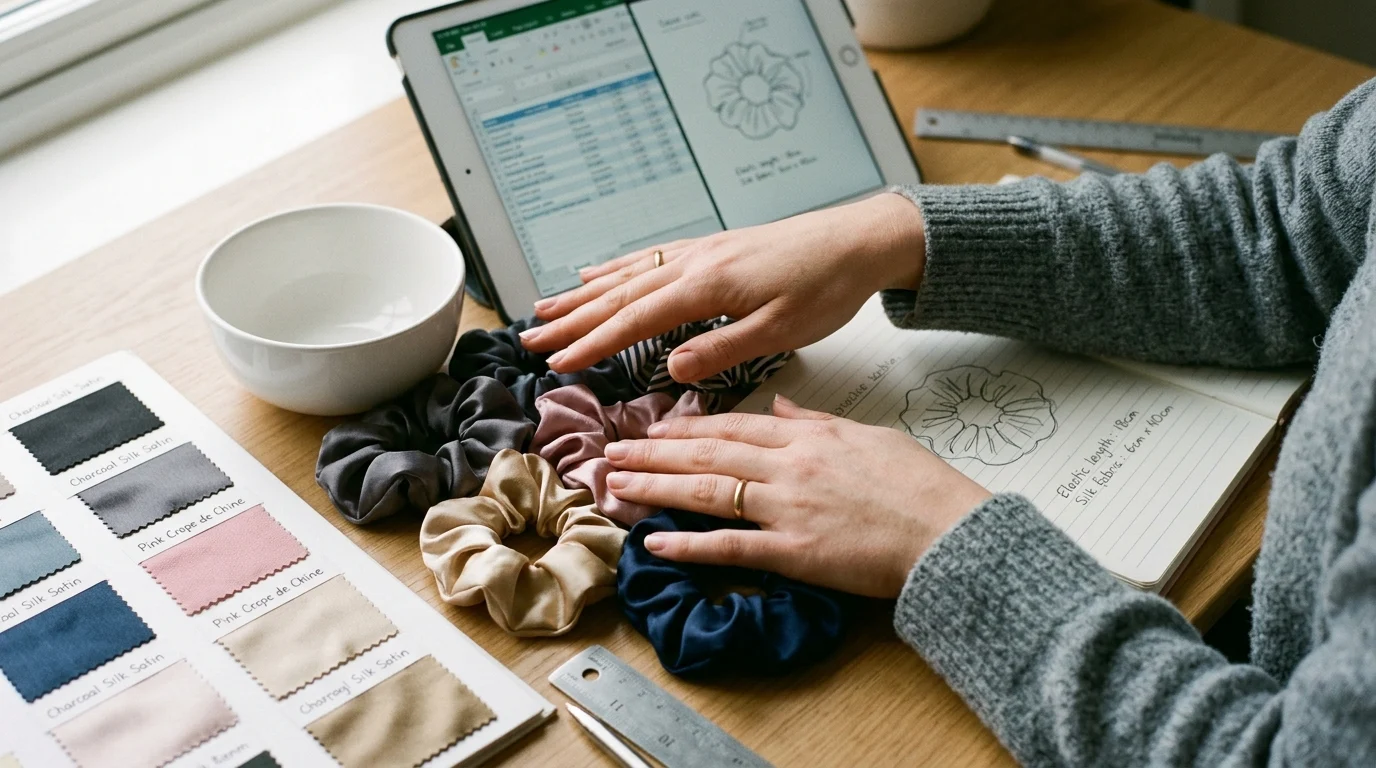
Knowing exactly what specs to ask for is only half the battle. Actually sourcing, verifying, and getting these products ready for a successful launch requires a tight operational playbook. Never skip the sampling phase, no matter how much of a rush you are in.
What sourcing steps reduce supplier mistakes
The biggest mistakes happen when buyers rush straight into bulk production. You absolutely need to order physical samples to test color fastness and elastic memory. Wash the sample yourself; the shrinkage rate should be strictly under 5%. Stretch the branded hair scrunchies to their maximum limit and ensure the internal stitching does not pop under pressure.
Typically, a custom sample takes 7 to 14 days to produce and ship to your door. Use this crucial window to evaluate the supplier’s communication. If they are slow to update you on a single sample, they will likely be difficult to manage during a 5,000-piece bulk run.
How to make the final supplier decision
When it comes time to choose your factory, look heavily at compliance and quality control guarantees. Always ask for an OEKO-TEX Standard 100 certificate to prove the silk dyes are totally free from harmful chemicals—this is a huge selling point you can pass on to your health-conscious customers.
Before wiring the final balance, establish a clear defect rate threshold in the manufacturing contract. For personalized silk ties and accessories, a defect rate of under 2% is generally acceptable for bulk runs. If you have these metrics locked in writing and your quality control steps mapped out, you will be able to launch your private label collection with total confidence.
Key Takeaways
- The most important conclusions and rationale for Silk Scrunchies
- Specs, compliance, and risk checks worth validating before you commit
- Practical next steps and caveats readers can apply immediately
Frequently Asked Questions
What silk grade should I request for private label silk scrunchies?
Ask for Grade 6A mulberry silk. It offers smoother fibers, better durability, and a more premium feel for retail-quality scrunchies.
Which momme weight is best for custom logo silk scrunchies?
Choose 19mm for a balanced cost-quality option. Use 22mm if you want a heavier, more luxurious scrunchie for premium collections.
What MOQ should I expect for custom silk scrunchies?
Custom-dyed Pantone colors often start around 500 pieces. Stock fabric colors can usually reduce MOQ to about 100 pieces per color.
How can I add my brand logo to silk scrunchies?
Common options include woven logo labels, direct embroidery, and custom printed patterns. Woven labels are usually the most cost-effective and widely used.
Why should I order samples before bulk production from cnwonderfultextile.com?
Samples help confirm silk quality, momme weight, color accuracy, logo placement, and elastic performance before full production, reducing costly mistakes.

Post time: May-09-2026