
Introduction
For luxury hotels, a silk pillowcase is more than a decorative upgrade—it directly shapes comfort, perceived quality, and the guest’s sleep experience. But sourcing the right mulberry silk option requires more than choosing a soft fabric; hoteliers need to evaluate silk grade, momme weight, construction, durability, care requirements, and supplier reliability. This guide explains how to identify genuinely high-quality mulberry silk pillowcases, compare wholesale specifications, and balance guest expectations with operational realities. By the end, you’ll have a clear framework for selecting products that support a premium brand image while delivering practical value for hospitality use.
Why Silk Pillowcases Matter for Luxury Hotels
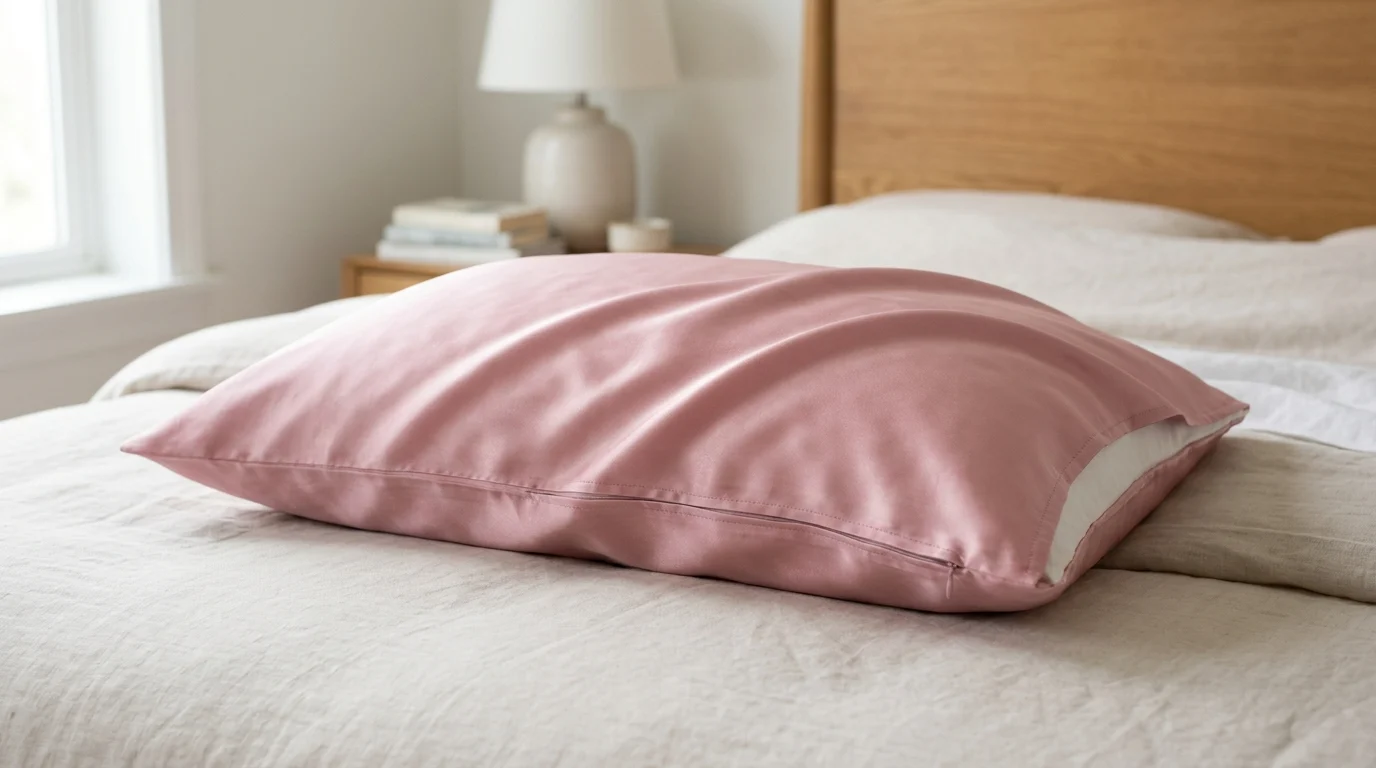
Whenever I consult with high-end properties about upgrading their guest experience, the conversation inevitably turns to bedding. I’ve noticed a massive shift lately: discerning guests are no longer satisfied with just crisp Egyptian cotton. They want the anti-aging, hair-protecting benefits of a genuine mulberry silk pillowcase. It has quickly become a defining touchpoint for modern, wellness-oriented luxury.
Building the Business Case
Let’s talk numbers, because I know upgrading hospitality bedding isn’t cheap. While standard high-thread-count cotton pillowcases might run you $4 to $7 per unit, a premium hotel collection silk pillowcase will typically cost between $18 and $28 wholesale, depending on the specifications. However, the return on investment is highly tangible.
In my experience, properties that introduce silk bedding options see a noticeable bump in their sleep quality scores. I’ve seen hotels report up to a 20% increase in positive mentions on review platforms simply by upgrading the pillows and cases. It is a highly visible, tactile upgrade that guests immediately recognize as a premium amenity, justifying higher nightly rates.
Best-Fit Hotel Segments
So, who should actually be investing in this? I wouldn’t recommend it for a midscale roadside inn, but if you manage a boutique hotel, a wellness retreat, or a five-star resort, it is practically essential.
The sweet spot for this kind of ROI tends to be properties with a Revenue Per Available Room (RevPAR) exceeding $250. At this tier, guests expect personalized, wellness-focused amenities. Offering silk pillowcases—either as a standard inclusion in suites or as a highly requested item from a VIP pillow menu—gives your property a distinct, memorable competitive edge.
How to Evaluate Silk Pillowcase Quality
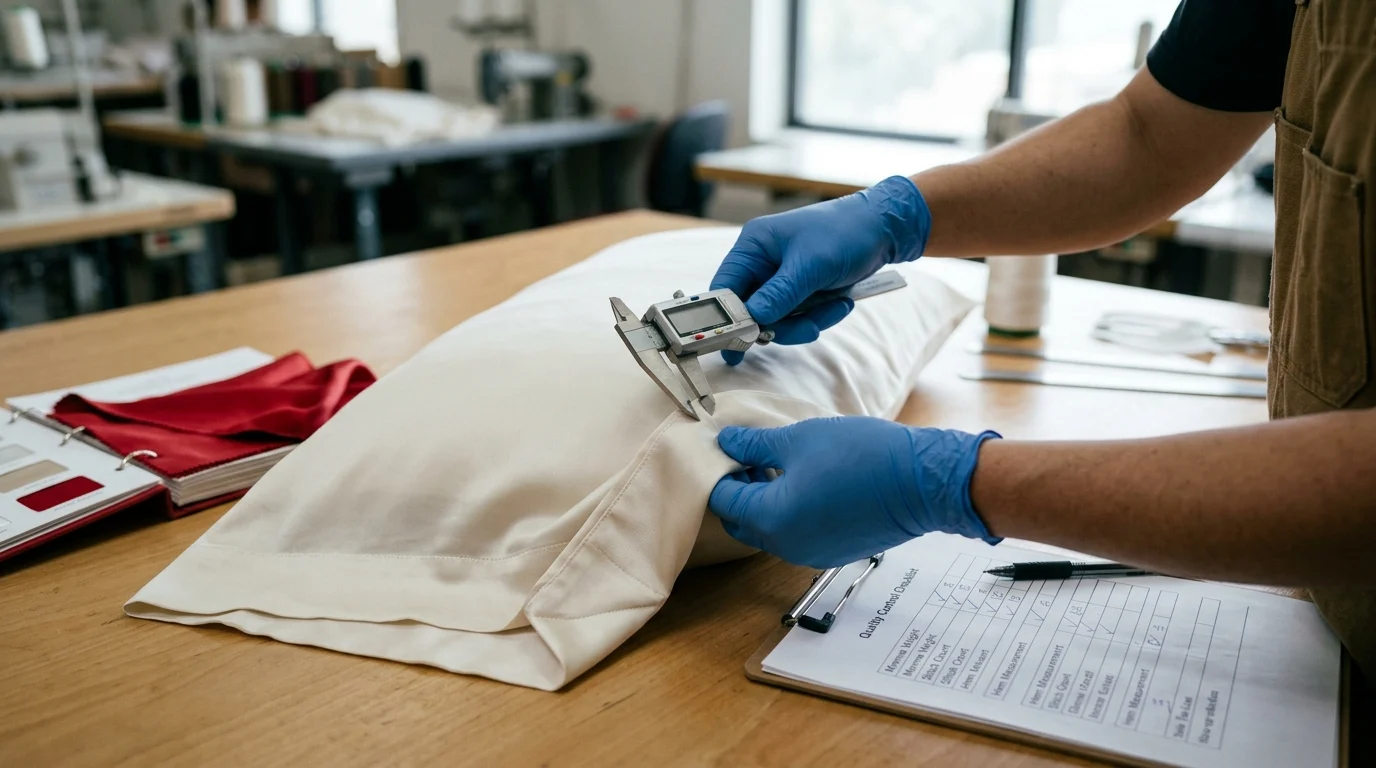
If you’ve ever ordered a batch of silk samples, you know the market is flooded with synthetic knock-offs and inferior blends. I’ve had suppliers try to pass off cheap polyester satin as the real deal more times than I can count. To protect your brand and your budget, you need to evaluate products strictly on technical specifications rather than just a shiny finish.
Key Quality Standards
The two metrics I always scrutinize first are the silk grade and the Momme weight. For hospitality environments, you should only accept Grade 6A silk, which uses the longest, most uniform fibers available. This prevents the fabric from pilling after heavy use.
As for weight, a 22 Momme silk pillowcase is the undisputed gold standard for luxury hotels. Anything lighter, like a 19 Momme case, will likely start to thin or tear after about 30 cycles in an industrial laundry setup. You also want to ensure the product carries OEKO-TEX Standard 100 certification, proving to your eco-conscious guests that the bedding is free from harmful chemicals.
Useful Comparison Criteria
When comparing different options, I like to weigh the upfront cost against operational longevity. Here is a quick breakdown of how different Momme weights perform in a commercial setting:
| Momme Weight | Estimated Commercial Lifespan | Wholesale Cost Band | Best Use Case |
|---|---|---|---|
| 19 Momme | 30 – 40 washes | $12 – $16 | Occasional pillow menu requests |
| 22 Momme | 80 – 100 washes | $18 – $24 | Standard suite bedding (Recommended) |
| 25 Momme | 120+ washes | $26 – $32 | Ultra-luxury VIP suites |
Beyond the fabric itself, pay close attention to the closure style. While hidden zippers look sleek, I always advise hoteliers to choose a deep envelope closure with an overlap of at least 8 inches. This simple design choice saves your housekeeping staff roughly 15 seconds per bed during turnover, and completely eliminates the risk of broken zipper hardware melting or snapping in commercial dryers.
How to Source and Approve Silk Pillowcases
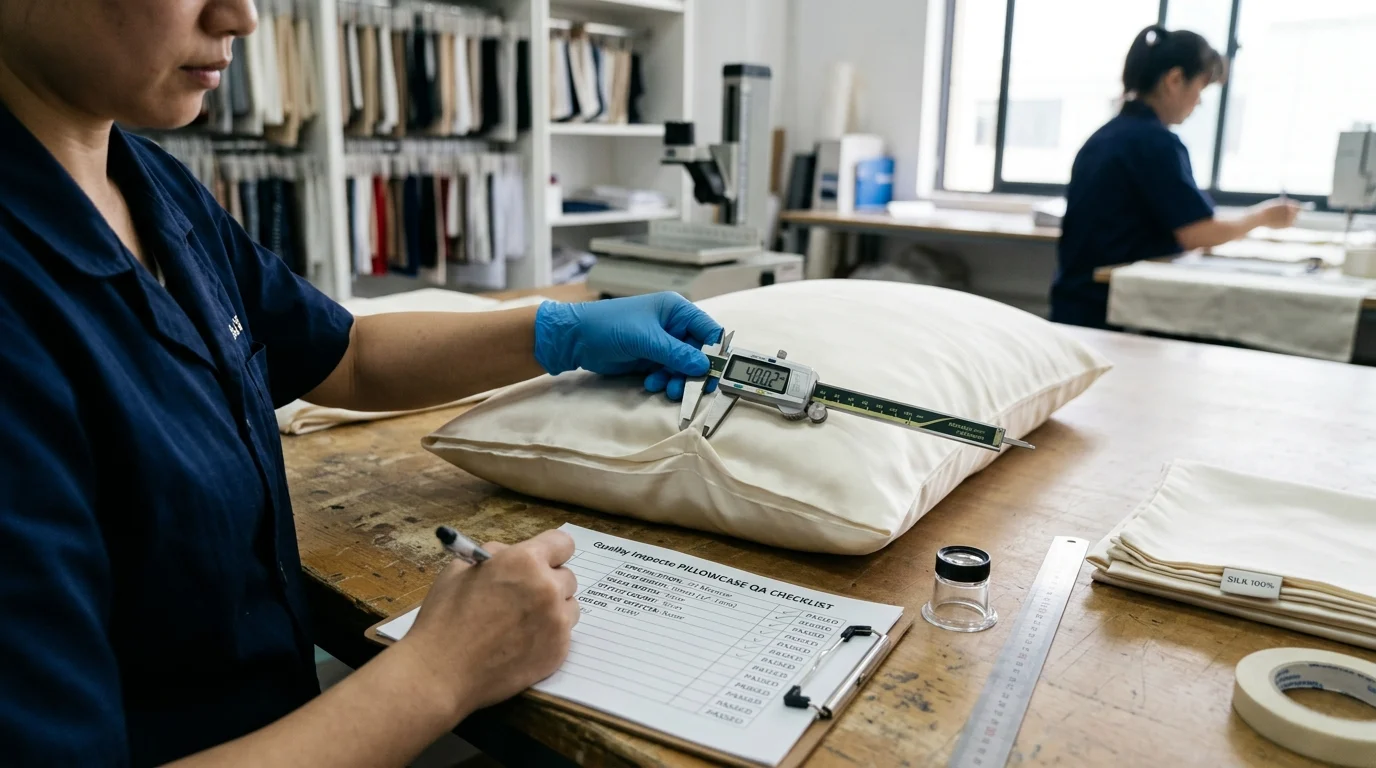
Finding a factory that can produce high-quality silk is one thing, but finding a partner capable of delivering consistent bulk silk pillowcases on time is the real challenge. I always tell procurement teams to approach the vendor vetting process with a healthy dose of skepticism.
Supplier Vetting and Product Testing
Before signing any long-term purchasing contracts, I demand rigorous product testing. You need to run sample cases through your property’s specific commercial laundry process at least 50 times. I look closely at shrinkage—which absolutely shouldn’t exceed 3% to 5%—and colorfastness.
Your dyed silk must hit a minimum of Grade 4 on the colorfastness grayscale to prevent dark colors from bleeding onto your pristine white hotel sheets. When vetting suppliers, keep an eye on Minimum Order Quantities (MOQs). A reliable manufacturer will typically require an MOQ of 100 to 200 pieces for custom dyed colors to match your branding, though they might drop that to 50 pieces for standard unbleached white or ivory.
Compliance, Logistics, and Private Label
Finally, let’s look at the logistics of bringing luxury bedding wholesale into your supply chain. Expect production lead times to hover around 25 to 35 days, plus another 30 days for ocean freight, so you need to plan your inventory refresh cycles accordingly.
Make sure the supplier complies with regional textile regulations, such as the 16 CFR 1632 flammability standard if you are operating in the US. I also highly recommend investing in private labeling. Adding a discreet, custom-embroidered hotel logo or a branded woven tag usually only adds $0.50 to $1.20 per unit. It’s a negligible cost that transforms a generic bedding item into a memorable, retail-ready product that guests frequently want to purchase at the front desk upon checkout.
Key Takeaways
- The most important conclusions and rationale for silk pillowcase
- Specs, compliance, and risk checks worth validating before you commit
- Practical next steps and caveats readers can apply immediately
Frequently Asked Questions
What silk specification is best for luxury hotel pillowcases?
Choose 22 Momme Grade 6A mulberry silk as the standard. It balances luxury feel, durability, and cost for frequent commercial use.
How can hotels verify a silk pillowcase is genuine?
Request material specs, Momme weight, Grade 6A details, and OEKO-TEX Standard 100 certification. Also test samples to rule out polyester satin or silk blends.
Which closure style works best for hotel operations?
Use a deep envelope closure with at least an 8-inch overlap. It speeds housekeeping and avoids zipper failures in commercial laundry.
How many washes should a hotel-grade silk pillowcase last?
A 22 Momme silk pillowcase should typically last about 80 to 100 commercial washes. For VIP suites, 25 Momme can exceed 120 washes.
Can CN Wonderful Textile support bulk silk pillowcase sourcing for hotels?
Yes, CN Wonderful Textile offers mulberry silk pillowcase options suitable for hospitality bulk orders. Ask for samples, specs, and lead-time confirmation before approval.
Post time: May-06-2026