
Introduction
Bridal accessories in 2026 are shifting toward pieces that balance polish, comfort, and versatility, and silk headbands sit at the center of that change. Designers and buyers are responding to brides who want accessories that feel luxurious, photograph well, and transition easily across ceremony, reception, and after-party looks. This article highlights the key design directions shaping the market, from material finishes and silhouette updates to embellishment choices and wearability features. By the end, readers will have a clear view of what is driving demand and how silk headband design is evolving to meet both aesthetic and commercial expectations.
Why Silk Headband Design Matters in 2026 Bridal
Looking at the bridal accessory landscape for 2026, it is clear that the traditional veil is sharing the spotlight with more versatile, structured pieces. As modern brides prioritize both day-long comfort and high-end aesthetics, the silk headband has evolved from a niche alternative into a foundational bridal accessory. The momentum behind silk headpieces is impossible to ignore, with high-fashion runway trends trickling down into bridal boutiques. This shift proves that brides want accessories that make a bold statement without requiring complicated styling.
Bridal demand and market positioning
Brides are increasingly curating multiple distinct looks for their wedding day—from ceremony elegance to reception mobility and after-party chic. This multi-look trend is driving a massive surge in demand for premium headwear. Brides are readily allocating between $150 and $300 specifically for luxury headpieces that transition seamlessly between events. If you are developing Wedding hair accessories, positioning silk headbands as versatile, heirloom-quality investments is a smart strategy for the upcoming season. They offer an elevated bridal feel while remaining practical for post-wedding wear, effectively lowering the perceived cost per wear for the consumer.
Key 2026 design signals
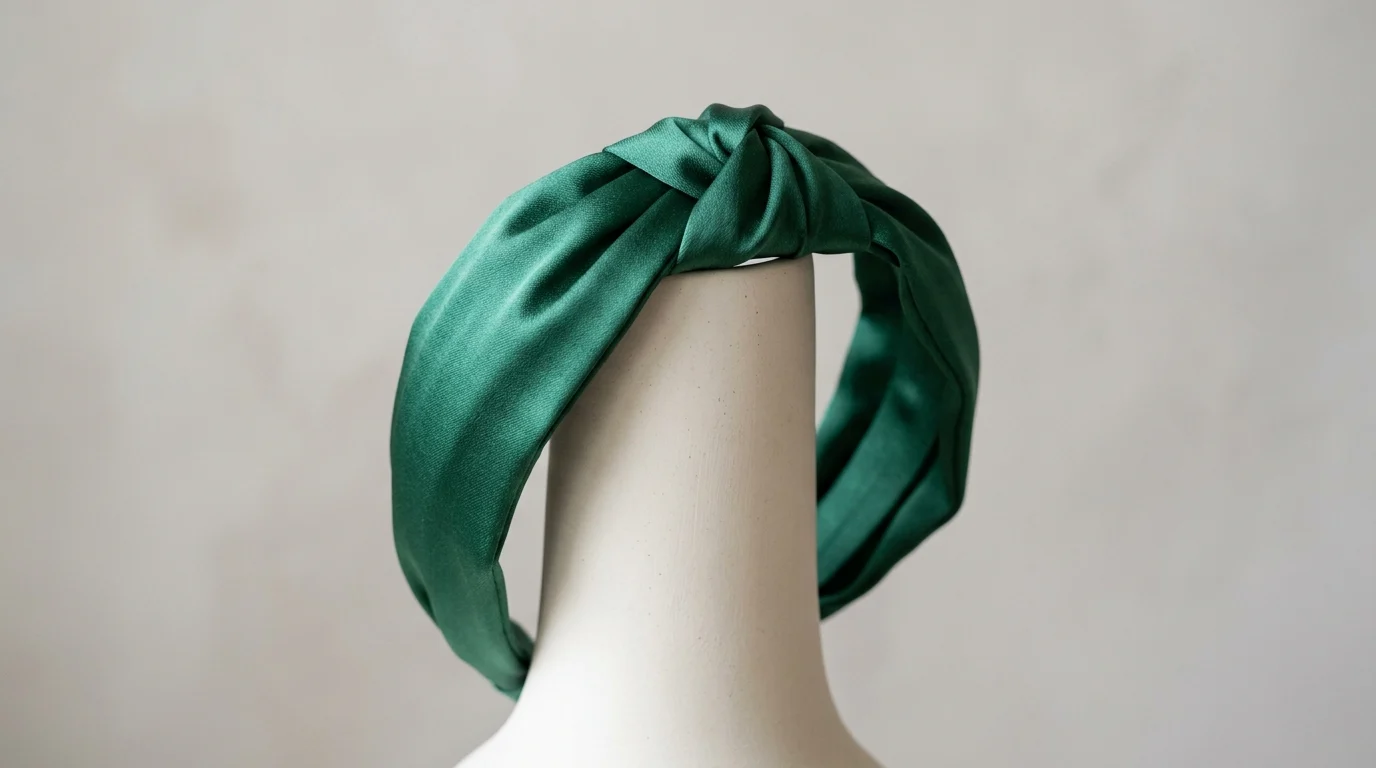
The design signals for 2026 point heavily toward “humanized designs.” This involves dimensional layouts that map ergonomically to the curvature of the head, explicitly engineered to prevent behind-the-ear pinching after hours of wear. Aesthetically, flat bands are being replaced by structured, padded profiles ranging from 2.5cm to 4.5cm in height. There is also a massive spike in requests for intricate Silk knot headbands, which add a sculptural, architectural element to minimalist bridal gowns. These dimensional designs require precise fabric tensioning to appear luxurious rather than bulky.
Silk Headband Design Trends for 2026 Bridal

Nailing the 2026 trend goes beyond sketching a beautiful silhouette; it relies on raw materials and the hidden engineering beneath the fabric. In the bridal market, expectations for quality are uncompromising, making the tactile experience just as important as the visual aesthetic. Understanding the specific material specifications and dimensional trends is essential for success on the production floor.
Materials, dimensions, and durability
To achieve the perfect balance of structure and soft sheen, 19 to 22 momme mulberry silk has become the gold standard in bridal accessories. Lighter weights lack the durability needed to wrap tightly around structured bands, while heavier silks can look stiff and lose their delicate drape. Band widths are standardizing around 3cm for minimalist looks and pushing up to 6cm for bold statement pieces. Furthermore, strict production quality control must translate directly into material certifications. Buyers now expect OEKO-TEX Standard 100 certification to guarantee skin-safe, non-toxic luxury. When designing Bridal silk headbands, ensuring the inner flexible polycarbonate core is wrapped seamlessly with certified silk dictates both the product’s lifespan and its ultimate comfort level.
Comparing mulberry silk and alternative fabrics
While it may be tempting for brands to cut costs with synthetic alternatives, the differences between genuine mulberry silk and polyester satin in bridal applications are stark. Synthetic fibers trap heat and create static—a major drawback for a bride wearing a headpiece all day. Here is how these materials stack up:
| Material | Breathability | Est. Production Cost/Unit | Visual Appeal | Durability / Lifespan |
|---|---|---|---|---|
| 22 Momme Mulberry Silk | Excellent (Natural protein) | $12.00 – $18.50 | Rich, pearlescent sheen | High (with proper care) |
| Silk-Blend (Silk/Cotton) | Good | $7.50 – $11.00 | Matte to semi-gloss | Medium-High |
| Polyester Satin | Poor (Traps heat, static) | $2.50 – $4.50 | High gloss, artificial | Medium (Prone to snagging) |
For premium items like White silk hair wraps and structured bridal bands, investing in genuine silk yields dramatically lower return rates, better customer reviews, and significantly higher brand prestige.
How Brands Can Source, Validate, and Launch
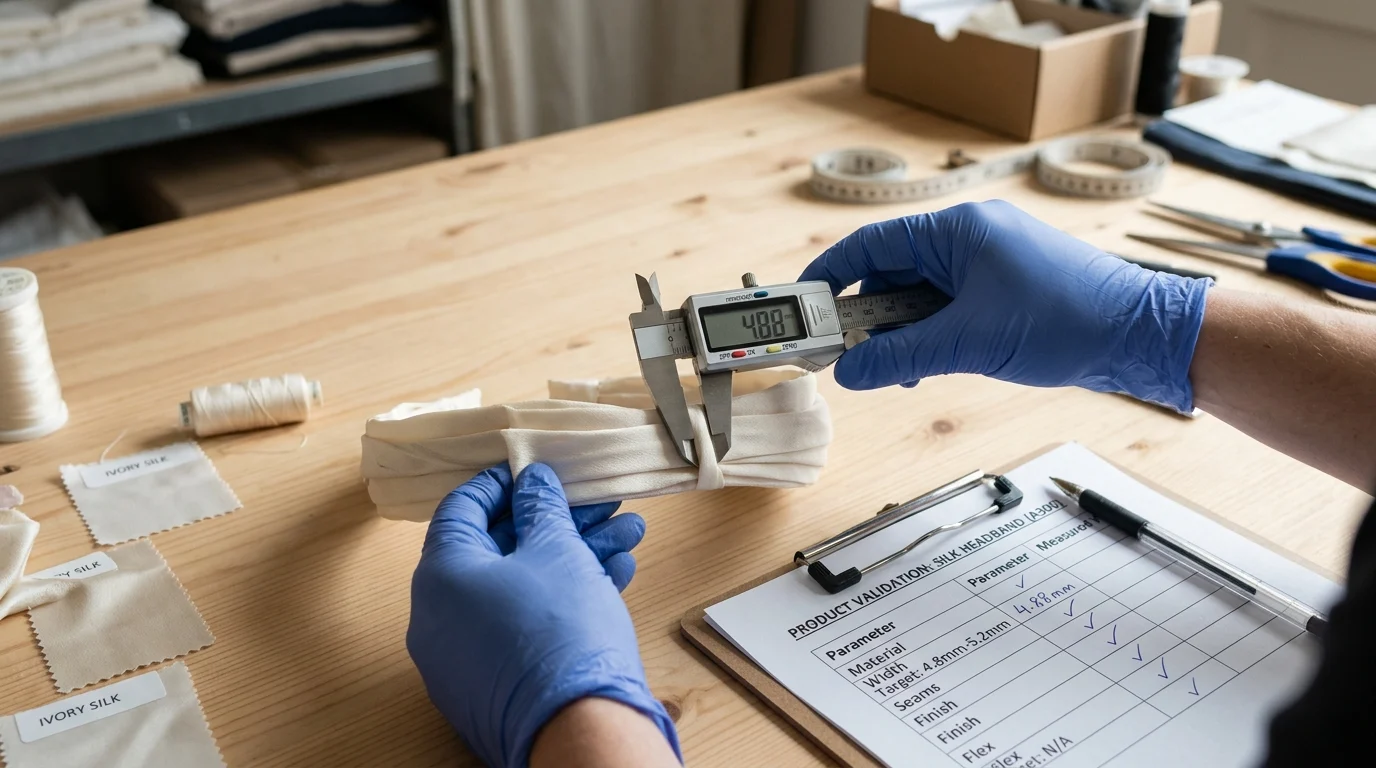
Having a brilliant design on paper is only half the battle. Bringing a sophisticated 2026 bridal collection to life requires a bulletproof sourcing strategy and a manufacturing partner who intimately understands the nuances of luxury textiles. A reliable supply chain serves as a brand’s backbone, particularly when targeting high-ticket bridal consumers.
Evaluating suppliers and quality control
When evaluating suppliers, look for a partner with a proven track record. For instance, Wonderful Company brings ten years of experience to the table, dedicating themselves entirely to professional silk product design and manufacturing. Their long-standing cooperation with component suppliers and strong industry relationships ensure consistent material quality and reliable service. A strong manufacturing partner should offer comprehensive customization—from fabric and color to pattern designs and bespoke, gift-ready packaging. Because bridal accessories demand absolute perfection, strict quality control plans are non-negotiable. Establishing a target defect rate of less than 1.5% with your factory ensures every single piece of your Designer silk headbands meets stringent luxury retail standards before shipping.
Decision guidance for product launch
Launching your collection successfully requires careful inventory management and precise timeline planning.
Key Takeaways
- The most important conclusions and rationale for Silk Headband
- Specs, compliance, and risk checks worth validating before you commit
- Practical next steps and caveats readers can apply immediately
Frequently Asked Questions
What silk weight works best for 2026 bridal headbands?
Use 19–22 momme mulberry silk. It gives enough structure for padded bands while keeping the soft sheen brides expect.
What headband widths are trending for bridal styles in 2026?
Around 3 cm suits minimalist looks, while 4.5–6 cm fits bold statement designs. Match width to gown simplicity and hairstyle volume.
Why are silk knot headbands popular in the 2026 bridal market?
They add sculptural height and modern detail without complex styling. Brides also like them for ceremony-to-reception versatility.
How can buyers verify bridal silk headband quality on cnwonderfultextile.com?
Check for 19–22 momme mulberry silk, OEKO-TEX Standard 100 certification, and a smooth wrapped flexible core for comfort and durability.
Why choose mulberry silk over polyester satin for bridal headbands?
Mulberry silk breathes better, creates less static, and looks more refined in photos. It also helps reduce heat discomfort during long wedding wear.
Post time: Apr-22-2026