
Of course! Let’s break down the benefits of wearing a hair bonnet and answer your questions directly.
The short answer is: Yes, wearing a bonnet is incredibly good for your hair, and it absolutely makes a noticeable difference, especially for those with curly, coily, delicate, or long hair.
Here’s a detailed look at the benefits and the science behind why they work.
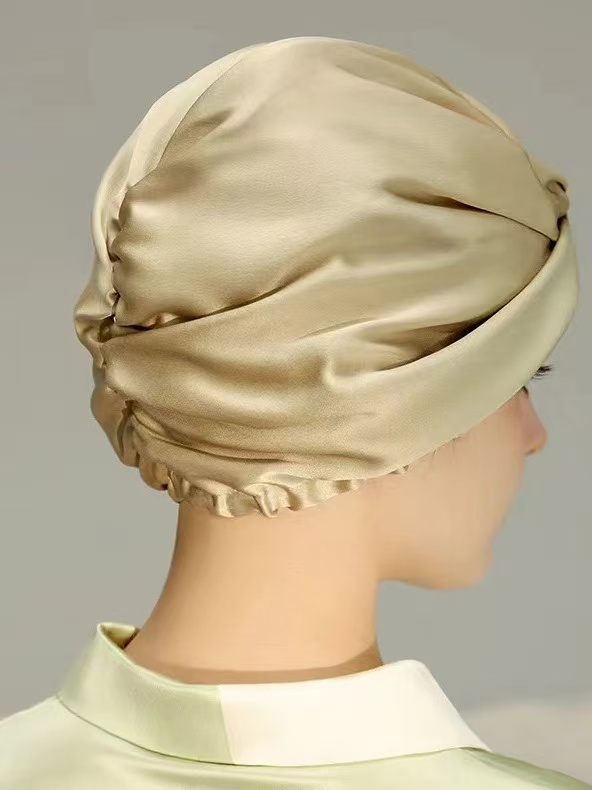
What are the benefits of wearing a hair bonnet? A hair bonnet is a protective cap, typically made of satin or silk, worn to bed. Its primary job is to create a gentle barrier between your hair and your pillowcase. Here are the main benefits:
- Reduces Friction and Prevents Breakage The Problem: Standard cotton pillowcases have a rough texture. As you toss and turn at night, your hair rubs against this surface, creating friction. This friction lifts the hair’s outer layer (the cuticle), leading to frizz, tangles, and weak spots that can easily snap, causing breakage and split ends. The Bonnet Solution: Satin and silk are smooth, slick materials. Hair glides effortlessly against a bonnet, eliminating friction. This keeps the hair cuticle smooth and protected, drastically reducing breakage and helping you retain length.
- Helps Hair Retain Moisture The Problem: Cotton is a highly absorbent material. It acts like a sponge, pulling moisture, natural oils (sebum), and any products you’ve applied (like leave-in conditioners or oils) right out of your hair. This leads to dry, brittle, and dull-looking hair in the morning. The Bonnet Solution: Satin and silk are non-absorbent. They allow your hair to keep its natural moisture and the products you’ve paid for, ensuring your hair stays hydrated, soft, and nourished throughout the night.
- Preserves Your Hairstyle The Problem: Whether you have intricate braids, defined curls, a fresh blowout, or Bantu knots, sleeping directly on a pillow can crush, flatten, and ruin your style. The Bonnet Solution: A bonnet holds your hairstyle gently in place, minimizing movement and friction. This means you wake up with your style much more intact, reducing the need for time-consuming restyling in the morning and minimizing heat or manipulation damage over time.
- Minimizes Tangles and Frizz The Problem: The friction from a cotton pillowcase is a primary cause of both frizz (ruffled hair cuticles) and tangles, especially for longer or textured hair. The Bonnet Solution: By keeping your hair contained and providing a smooth surface, a bonnet prevents the strands from knotting together and keeps the cuticle lying flat. You’ll wake up with significantly smoother, less tangled, and frizz-free hair.
- Keeps Your Bedding and Skin Clean The Problem: Hair products like oils, gels, and creams can transfer from your hair to your pillowcase. This build-up can then transfer to your face, potentially clogging pores and contributing to breakouts. It also stains your expensive bedding. The Bonnet Solution: The bonnet acts as a barrier, keeping your hair products on your hair and off your pillow and face. This leads to cleaner skin and cleaner sheets. So, Do Bonnets Really Make a Difference? Yes, unequivocally. The difference is often immediate and becomes more profound over time.
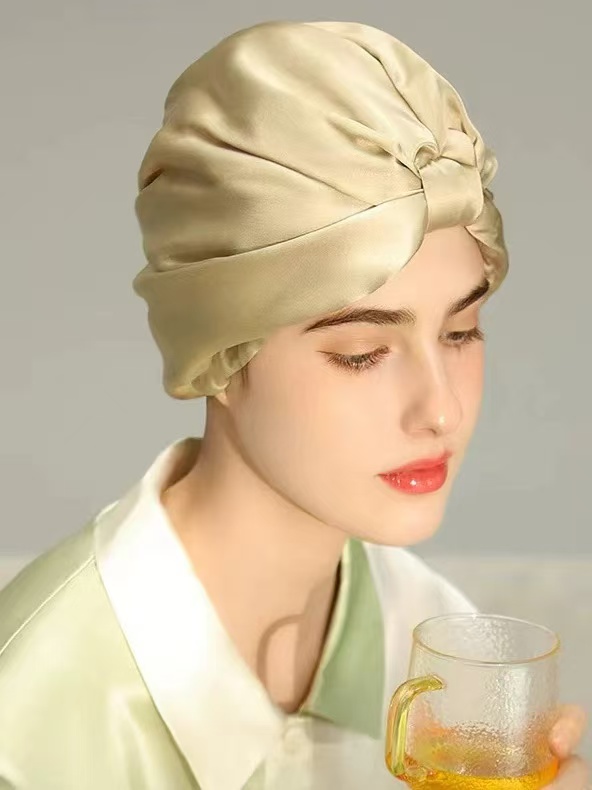
Think of it this way: The core of hair damage is often caused by two things: loss of moisture and physical friction. A bonnet directly combats both of these problems for the eight hours you’re asleep.
For Curly/Coily/Kinky Hair (Type 3-4): The difference is night and day. These hair types are naturally prone to dryness and frizz. A bonnet is essential for moisture retention and preserving curl definition. Many people find their curls last for several days longer when protected at night. For Fine or Fragile Hair: This hair type is very susceptible to breakage from friction. A bonnet protects these delicate strands from snapping against a rough pillowcase. For Chemically Treated Hair (Colored or Relaxed): Processed hair is more porous and fragile. A bonnet is crucial for preventing moisture loss and minimizing further damage. For Anyone Trying to Grow Their Hair Longer: Hair growth is often about length retention. Your hair is always growing from the scalp, but if the ends are breaking off as fast as it grows, you won’t see any progress. By preventing breakage, a bonnet is one of the most effective tools for retaining length and achieving your hair goals. What to Look For in a Bonnet Material: Look for satin or silk. Satin is a type of weave, not a fiber, and is usually an affordable and effective polyester. Silk is a natural, breathable protein fiber that is more expensive but considered the premium choice. Both are excellent. Fit: It should be secure enough to stay on all night but not so tight that it’s uncomfortable or leaves a mark on your forehead. An adjustable band is a great feature. Size: Make sure it’s large enough to comfortably contain all of your hair without squishing it, especially if you have long hair, braids, or a lot of volume. Bottom line: If you invest time and money in your hair care, skipping a bonnet (or a silk/satin pillowcase, which offers similar benefits) is like letting all that effort go to waste overnight. It is a simple, inexpensive, and highly effective tool for healthier hair.
Post time: Nov-01-2025